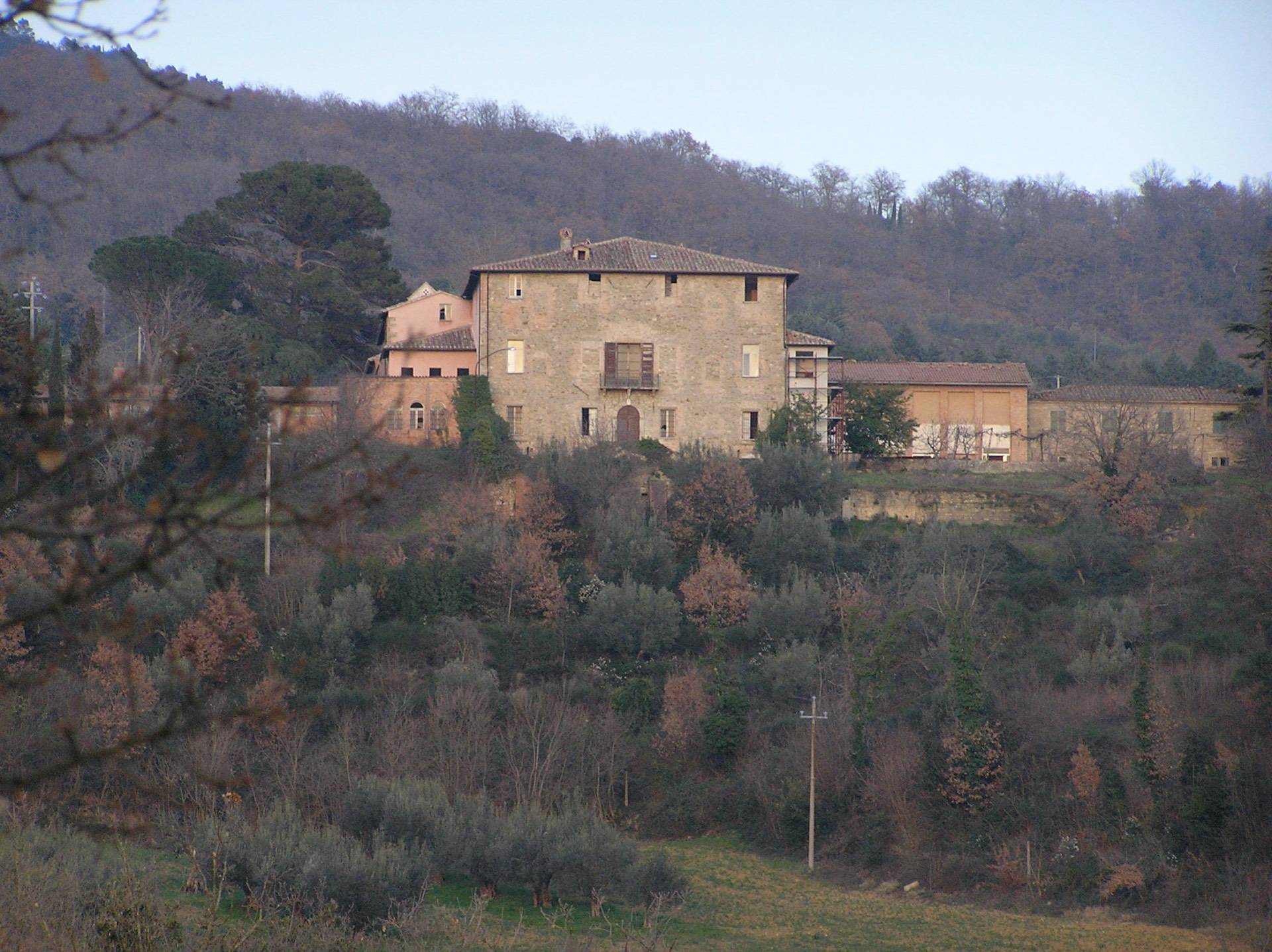
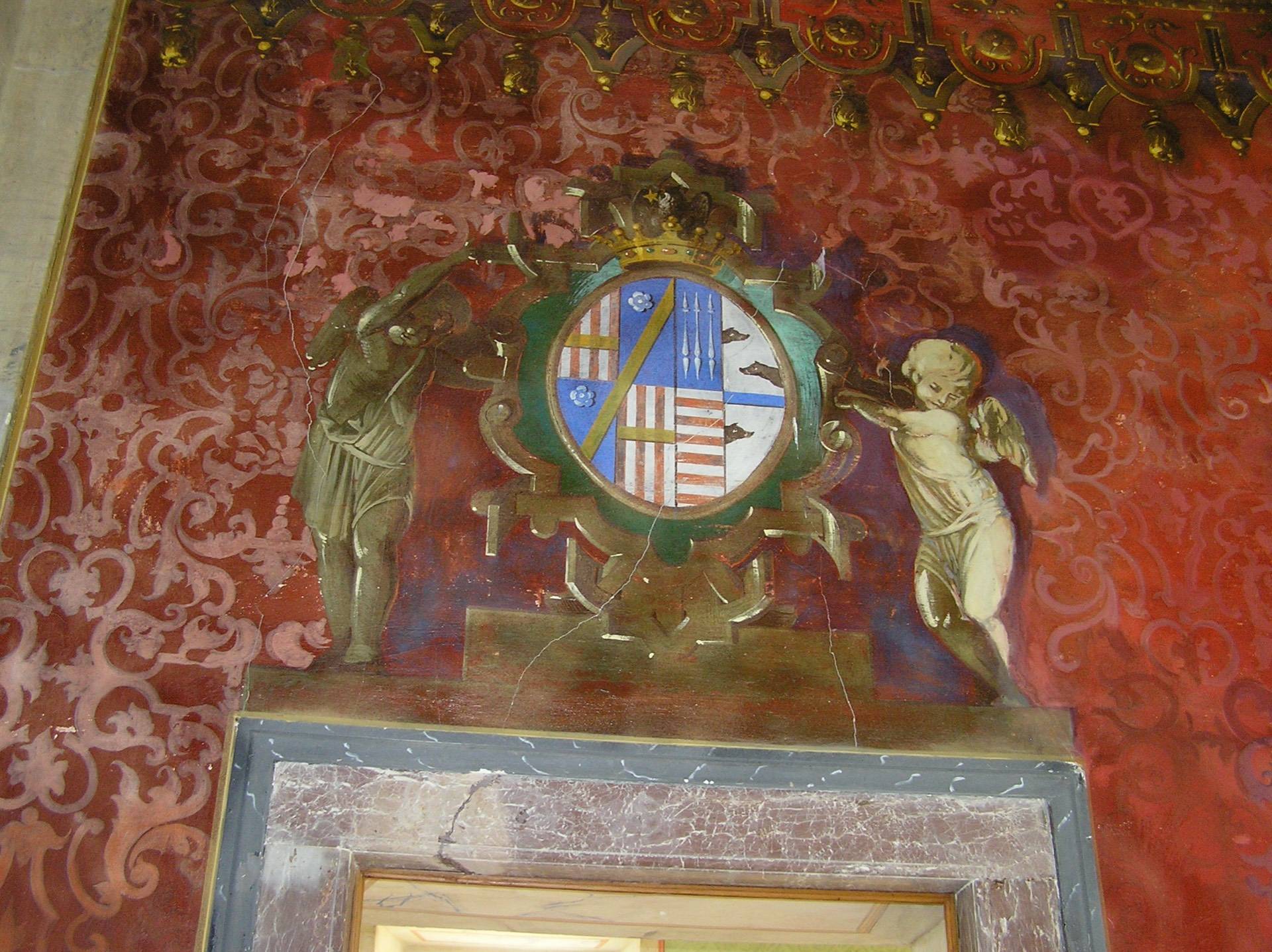
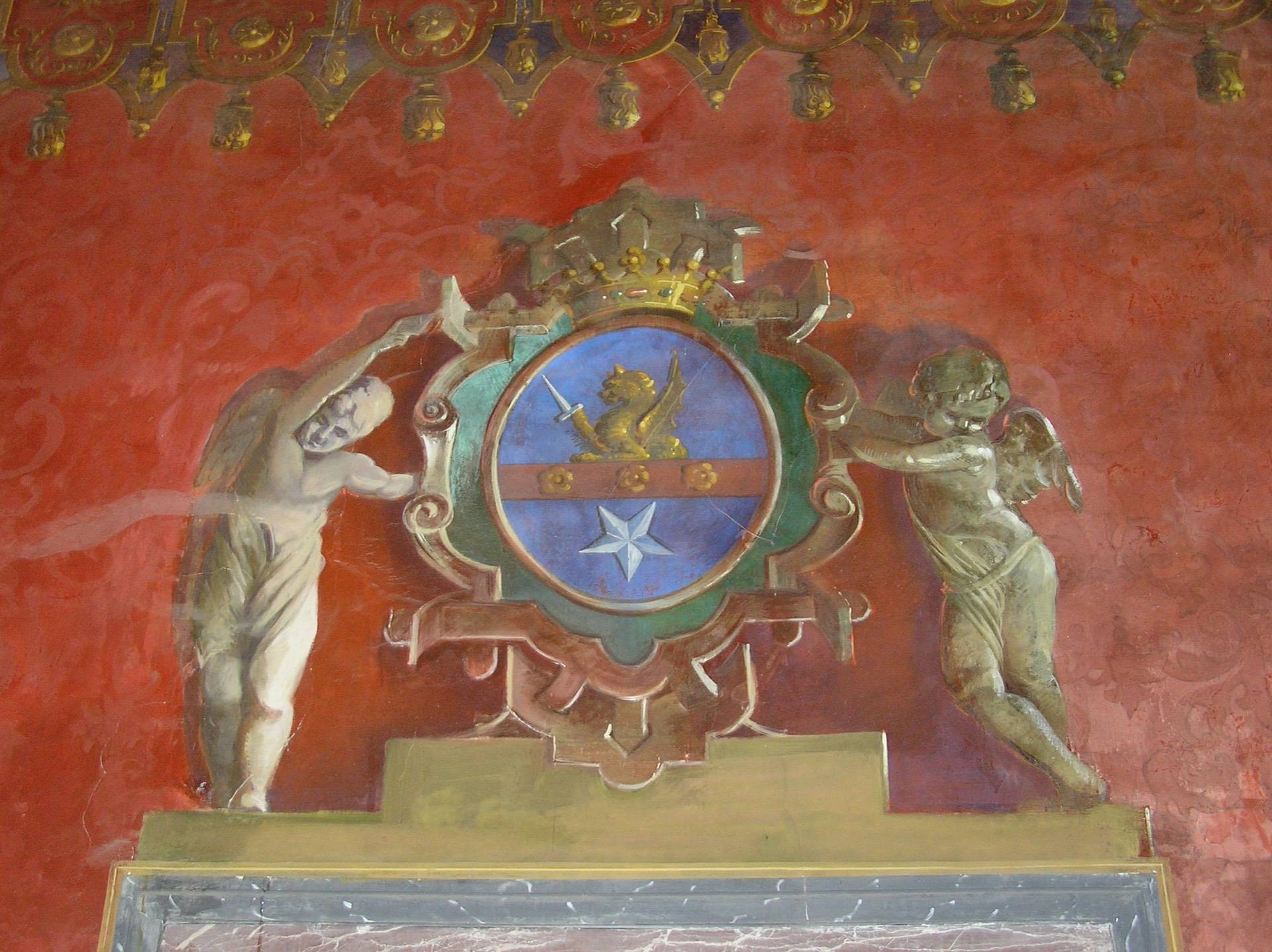
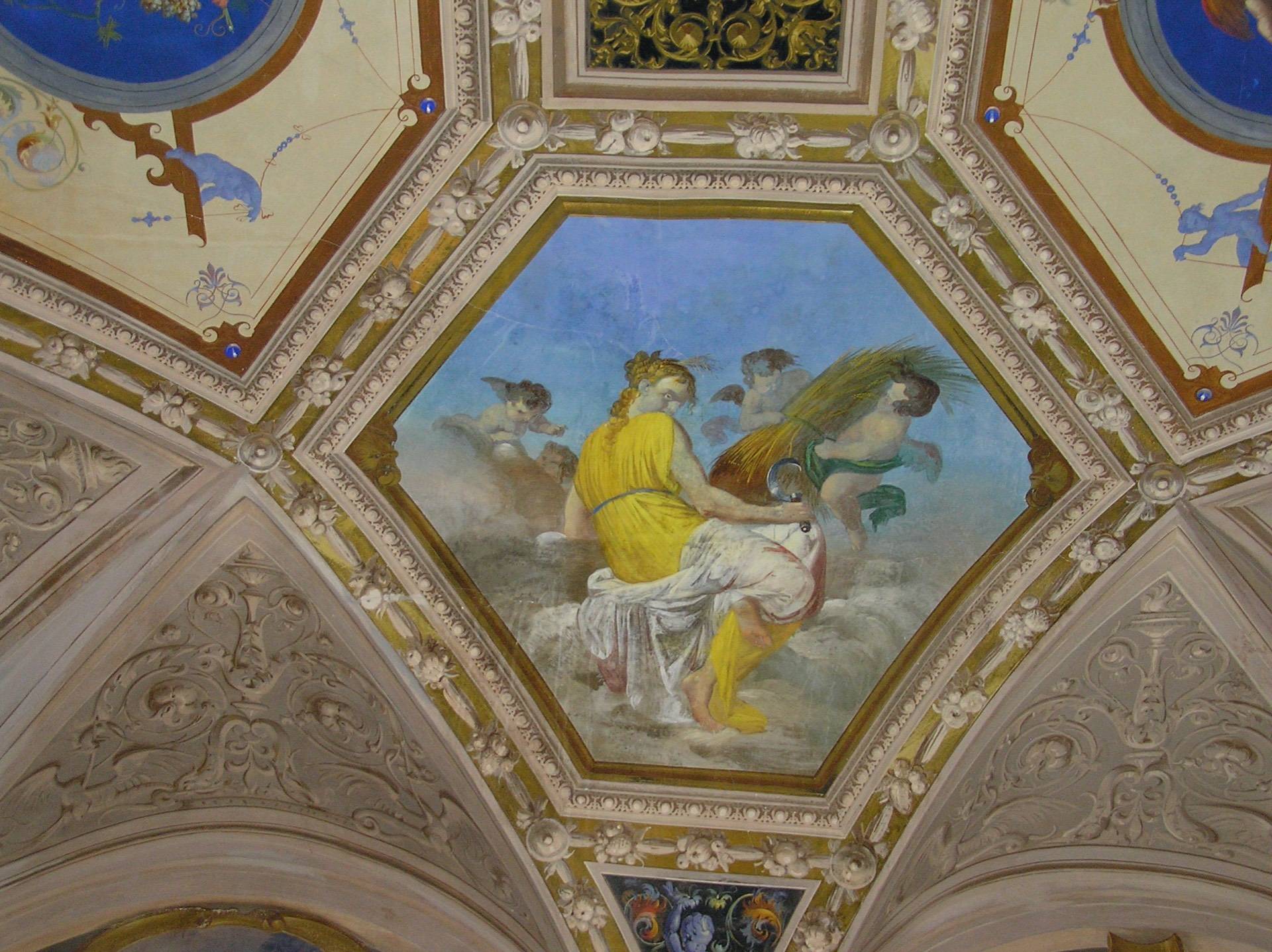
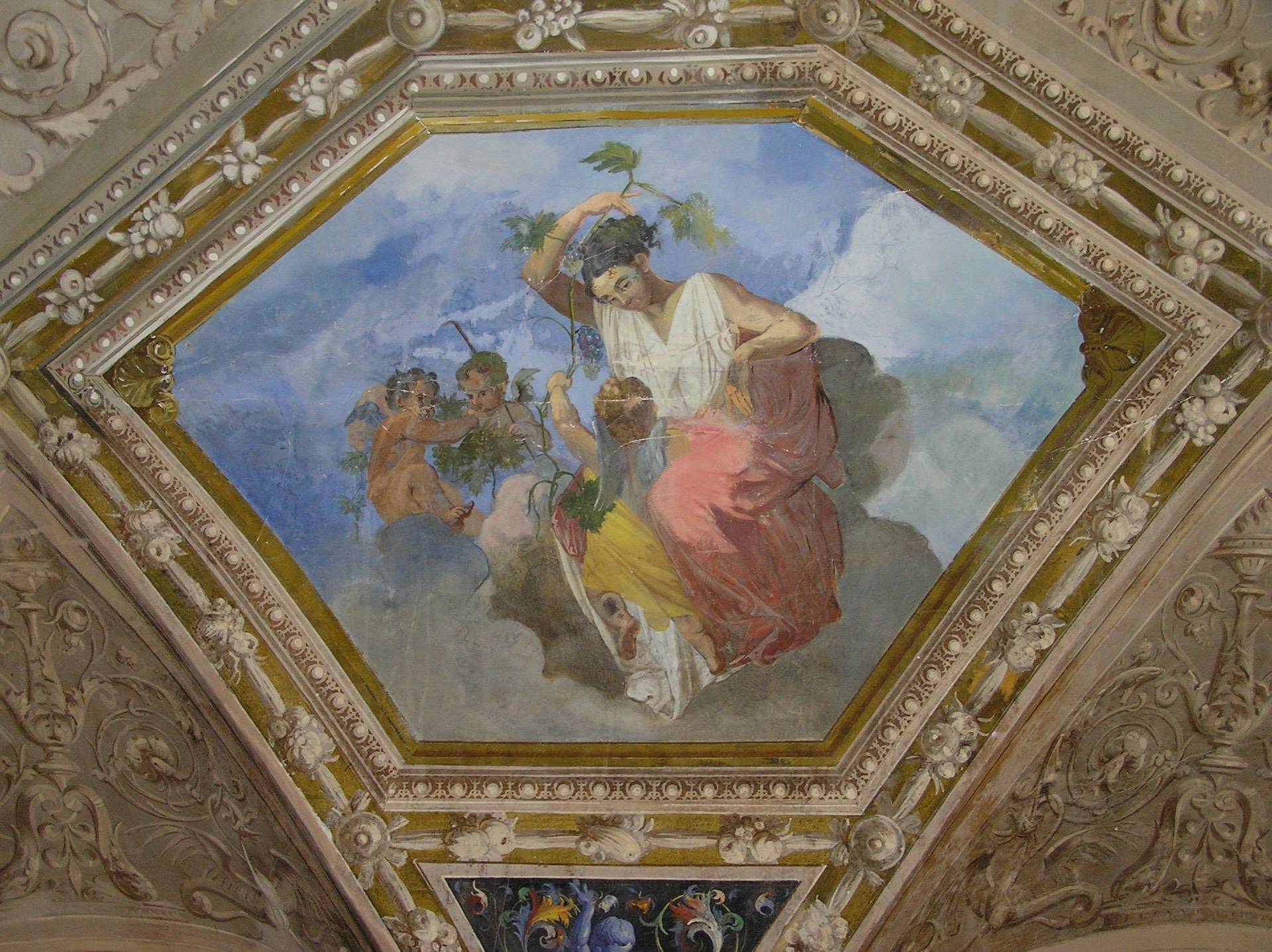
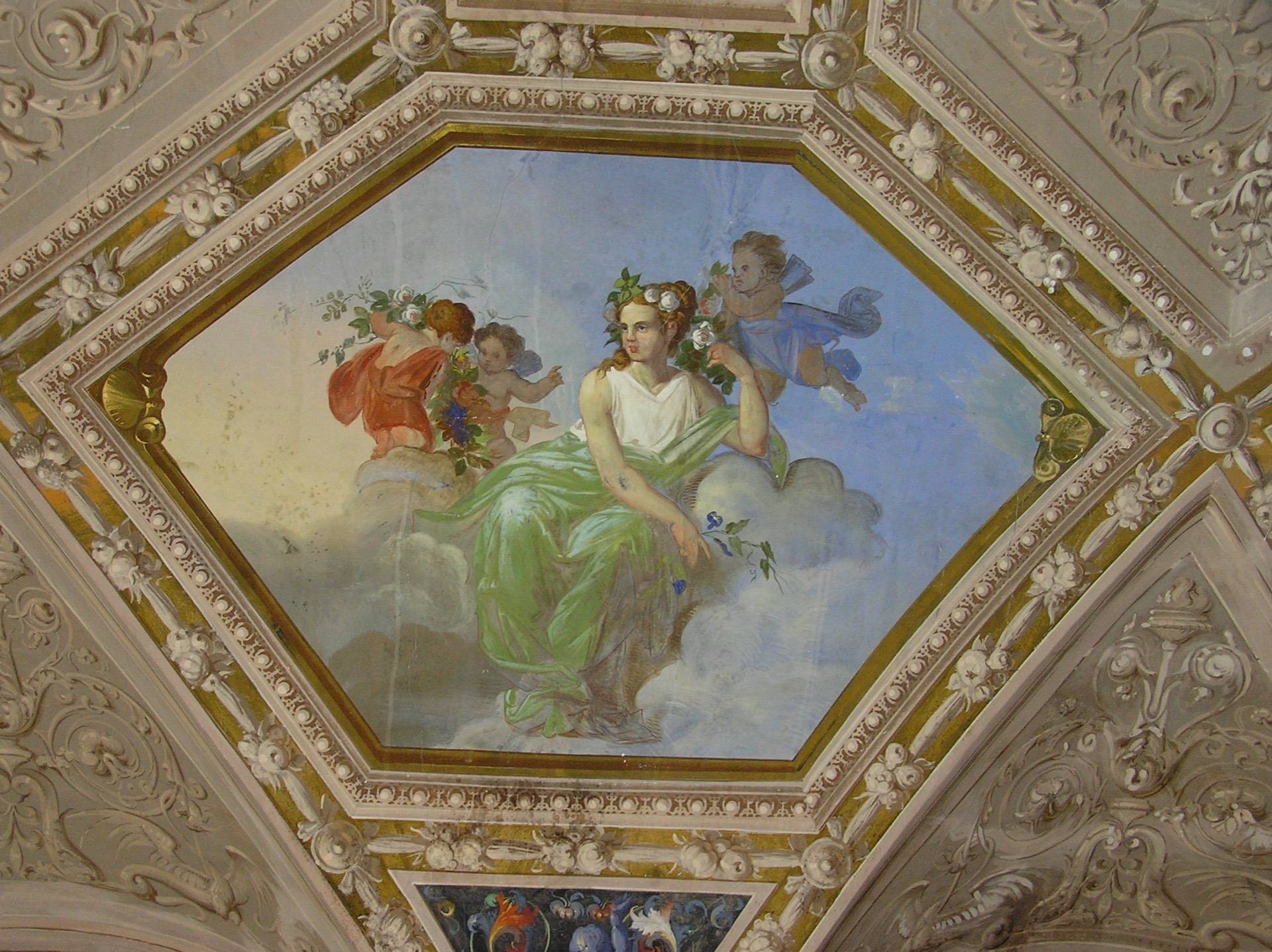
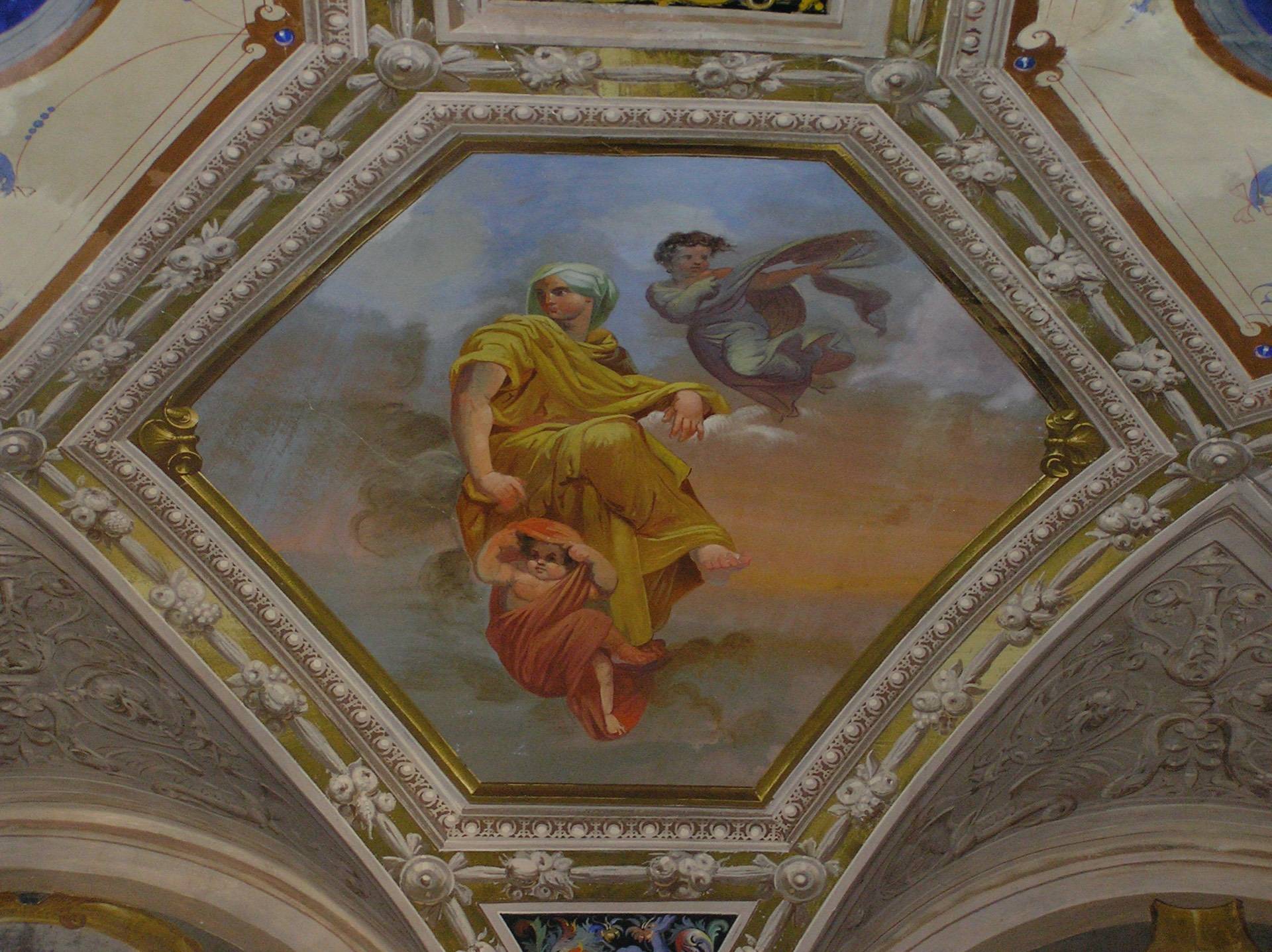
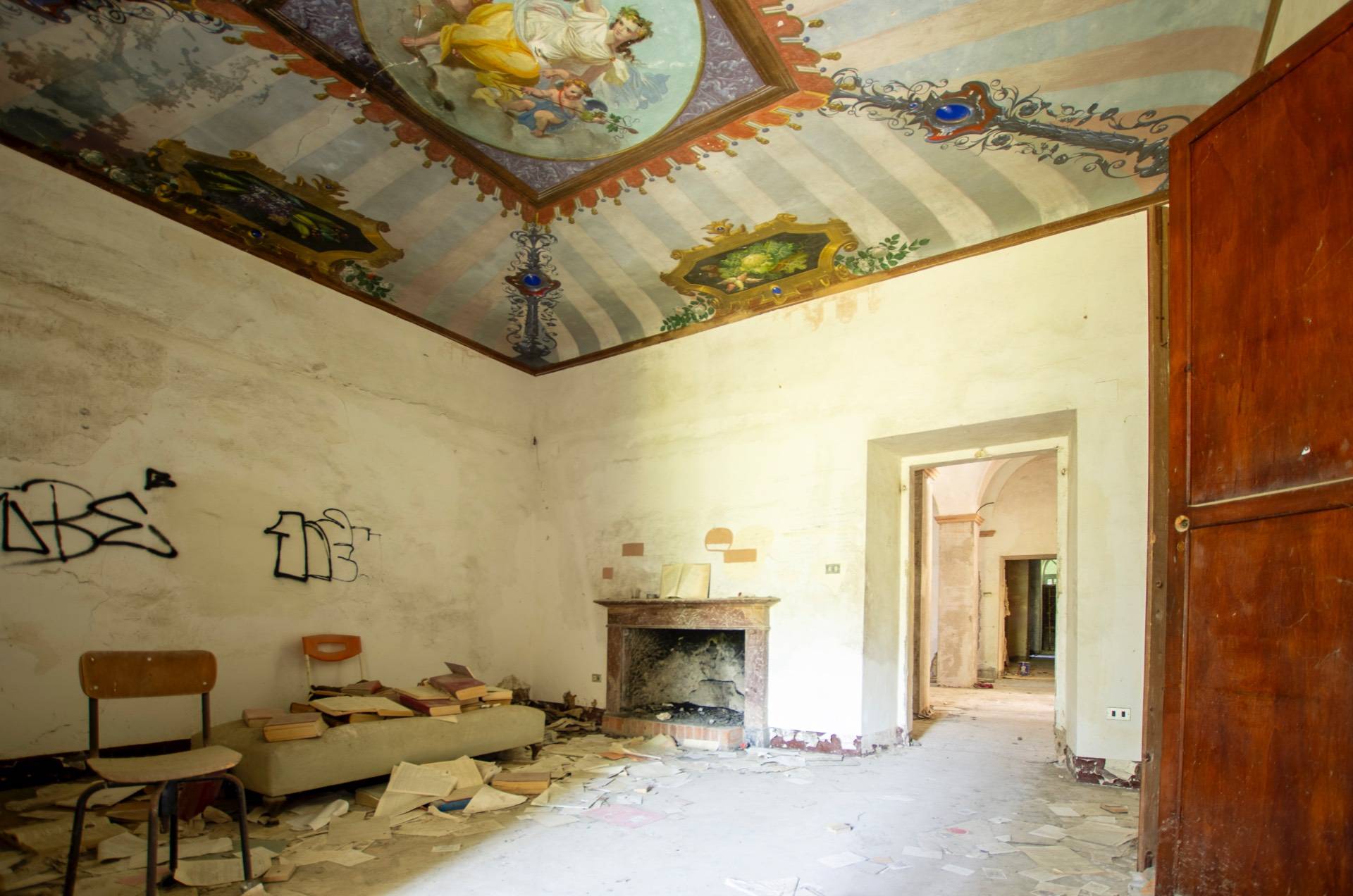
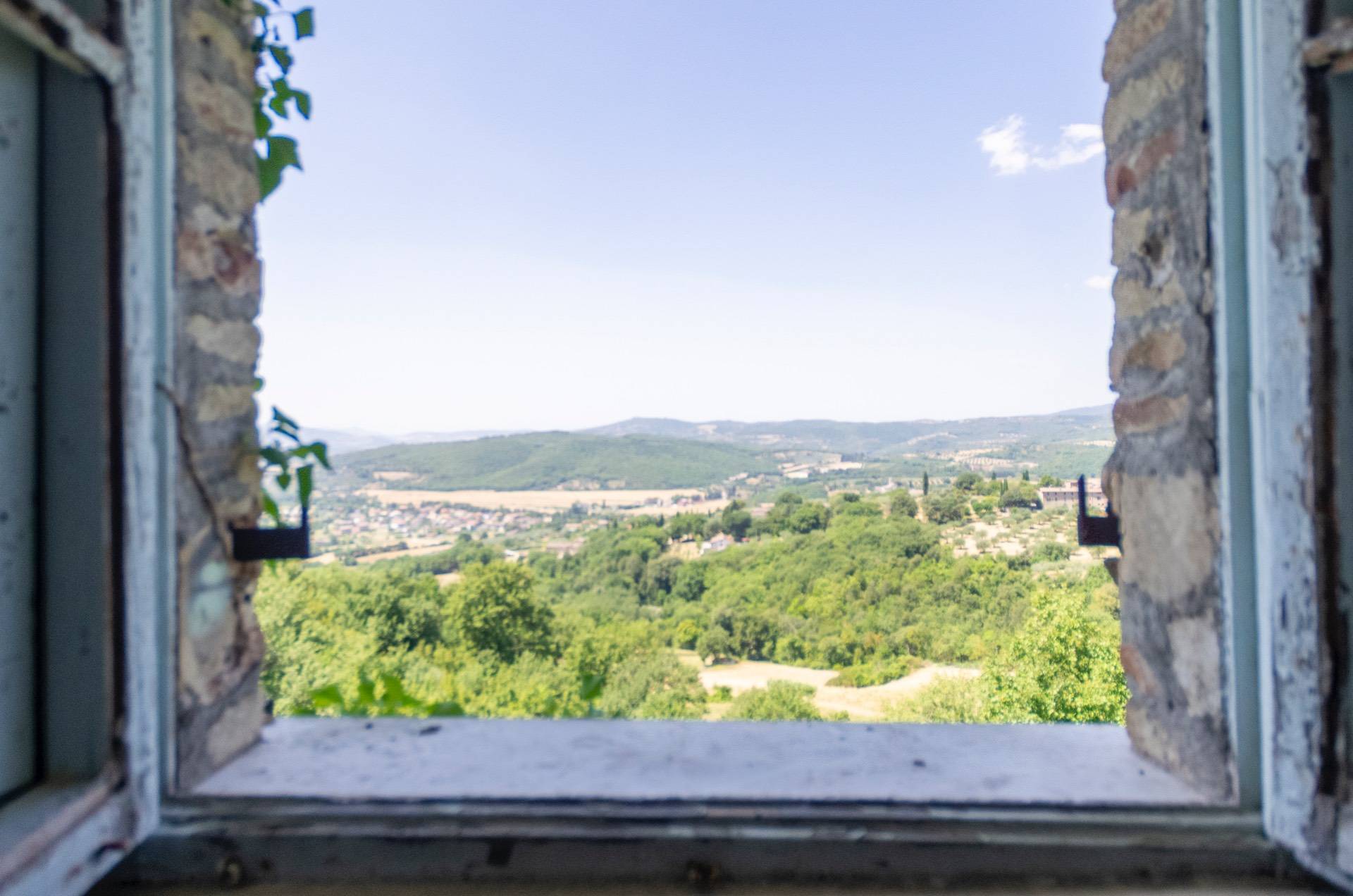
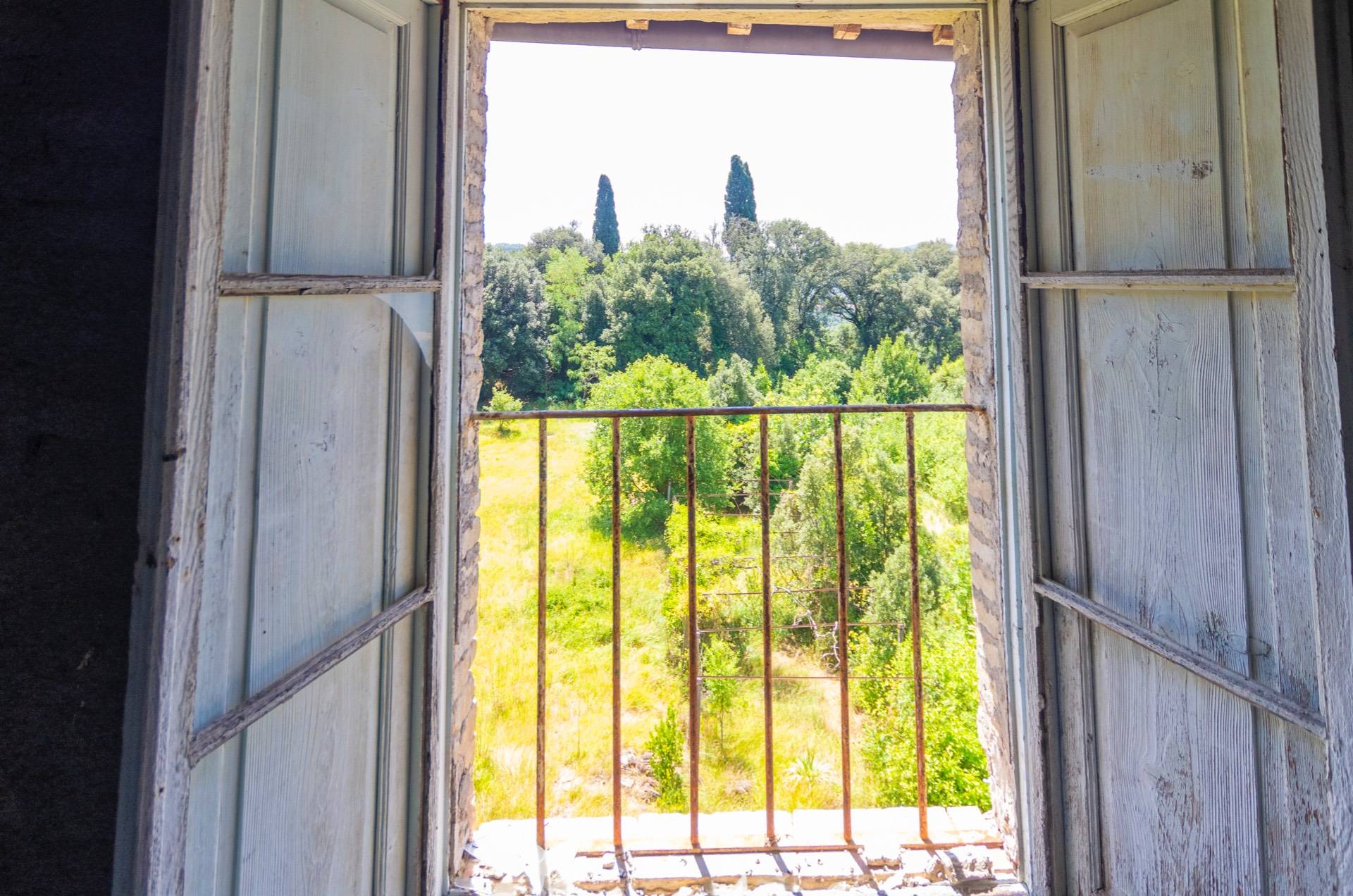
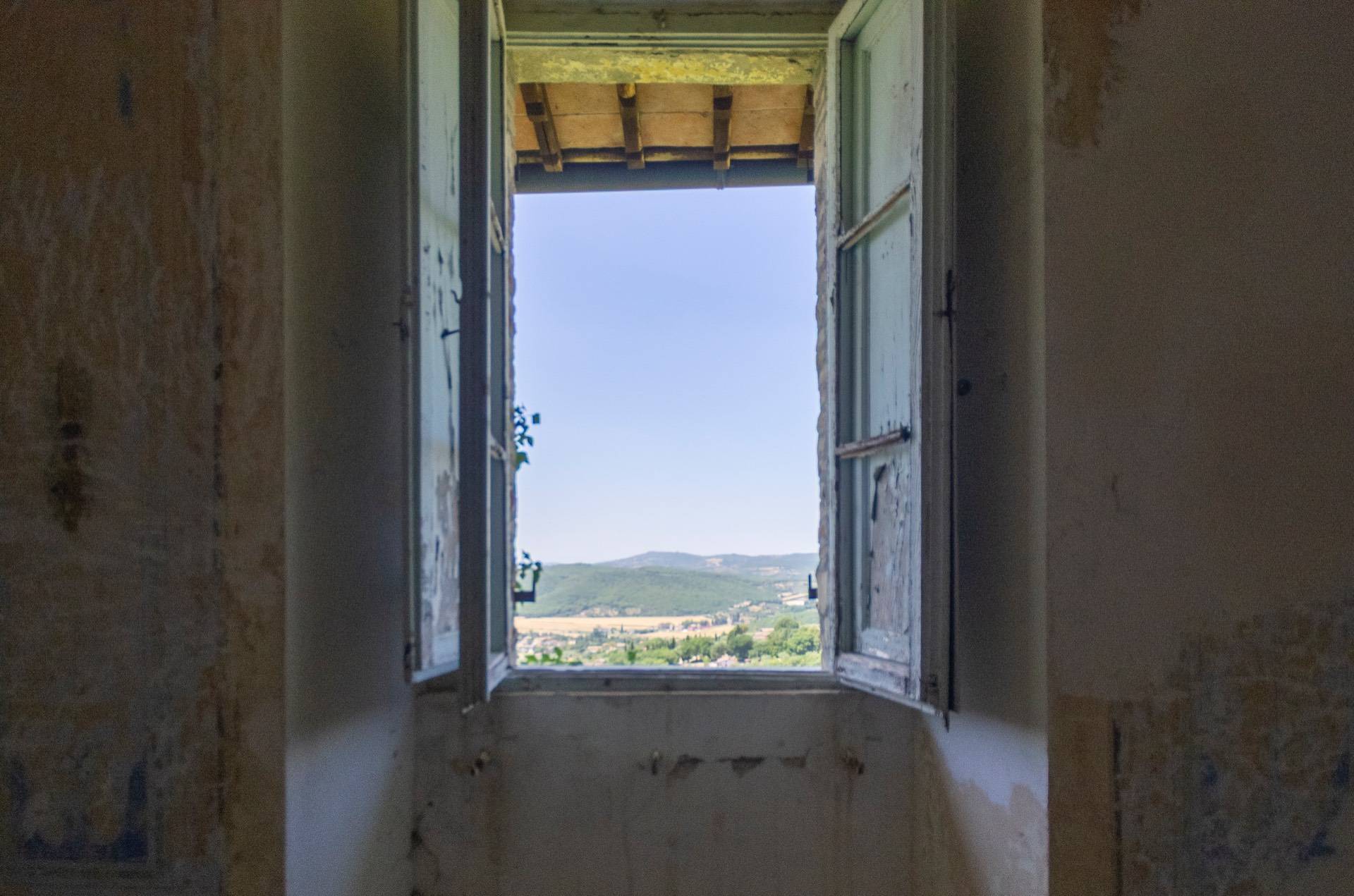
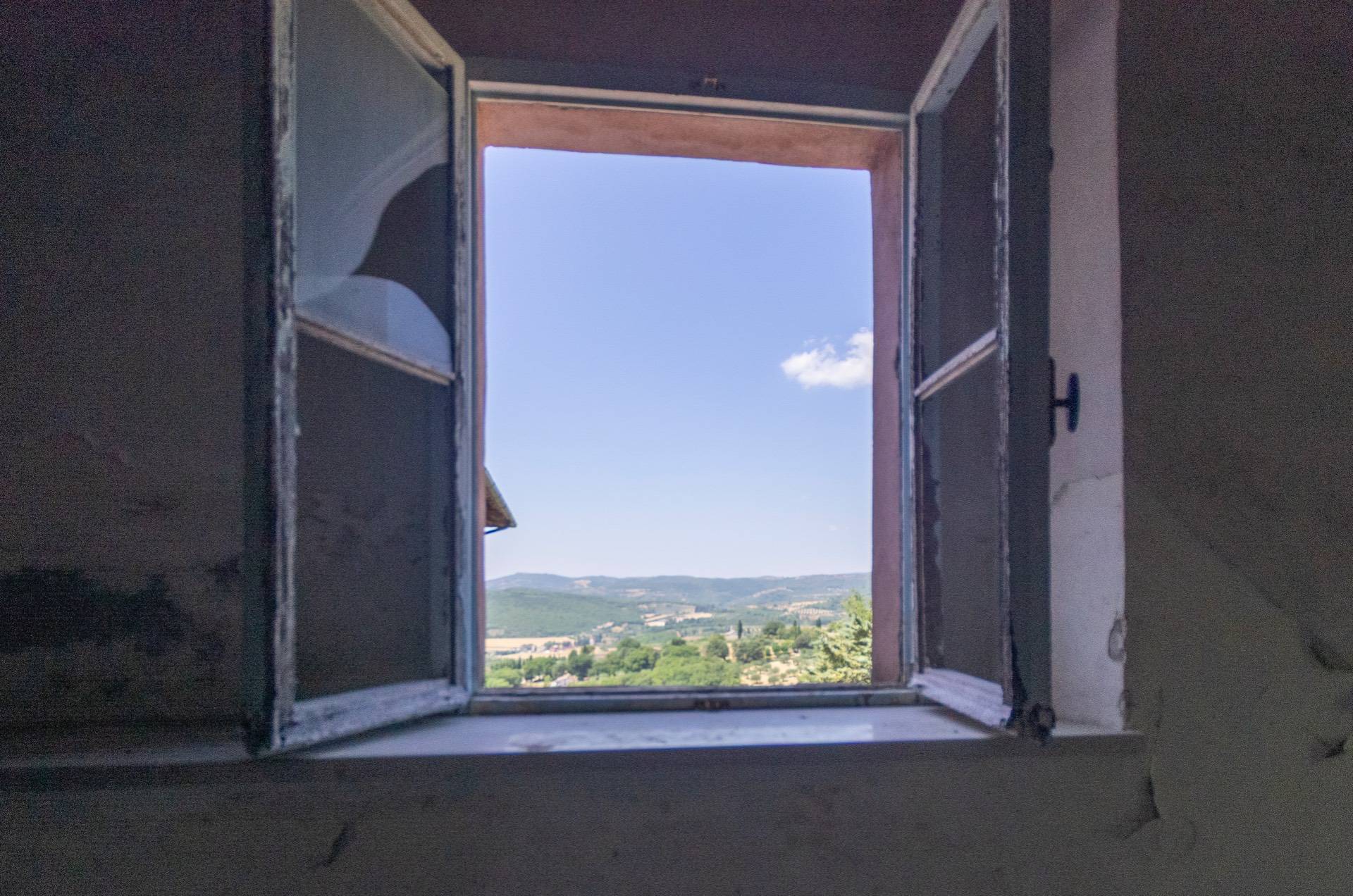
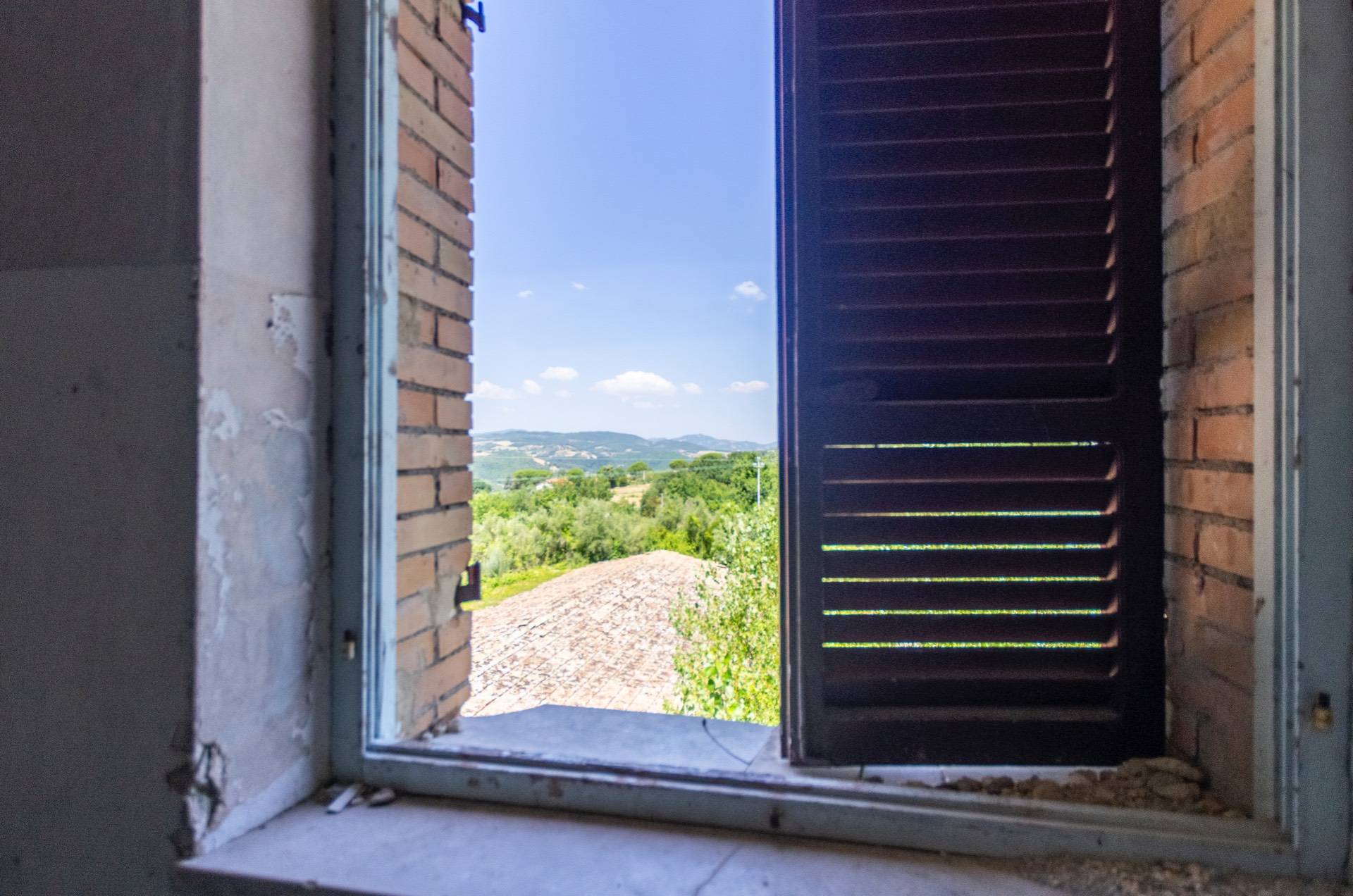
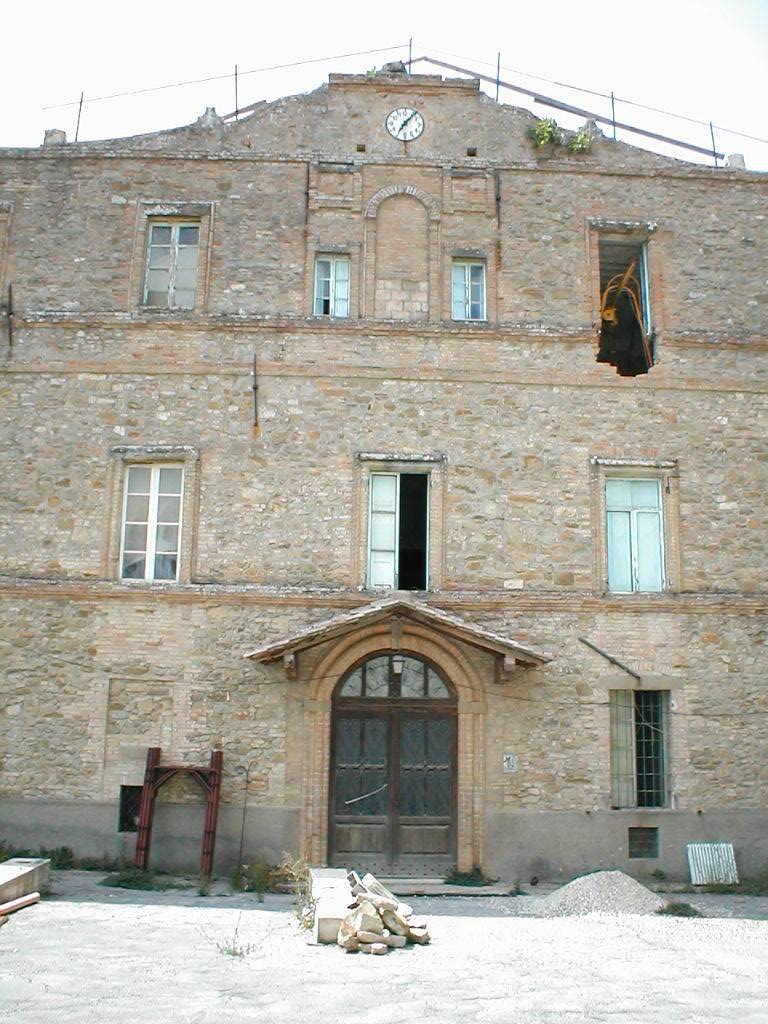
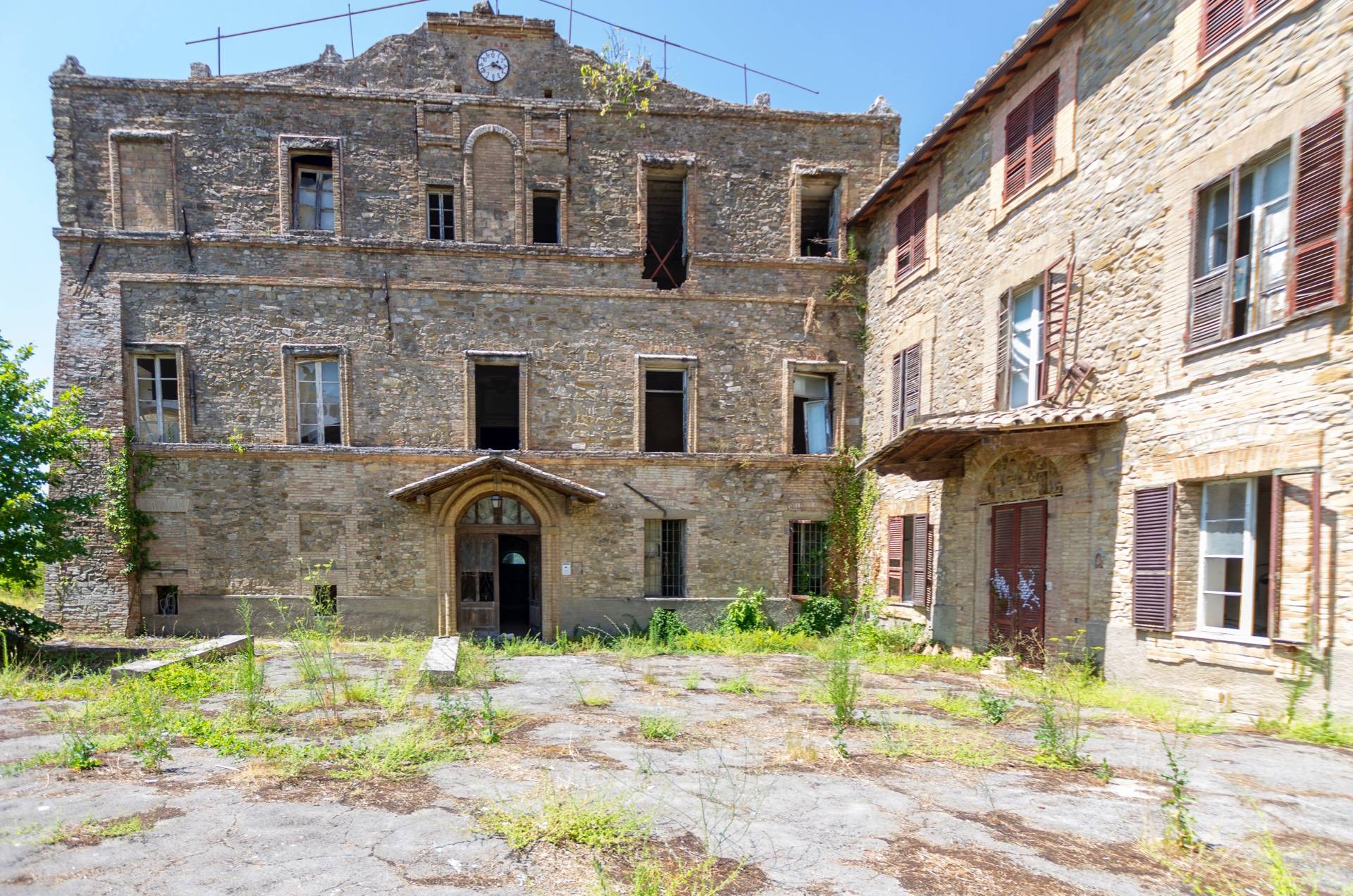
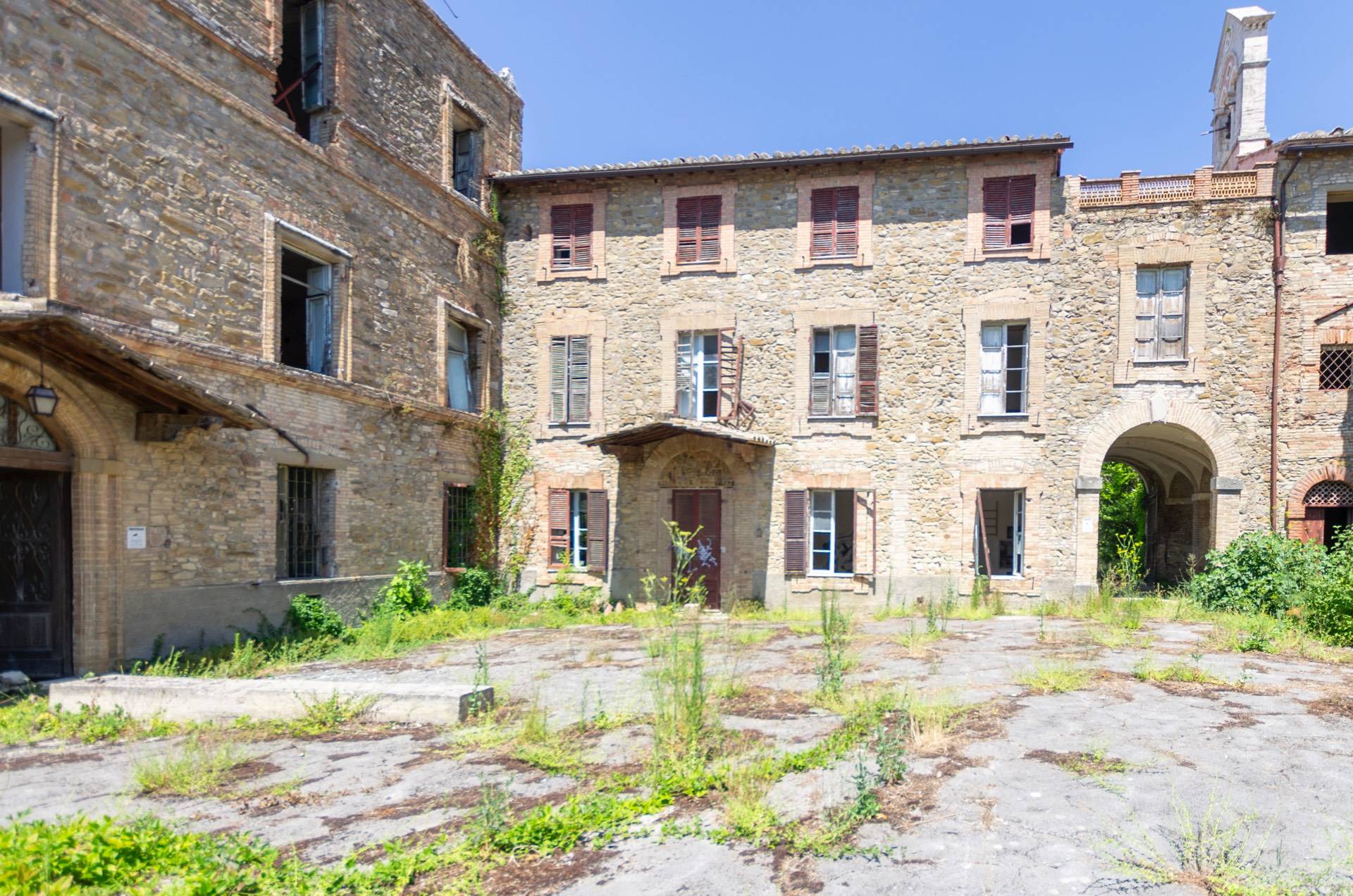
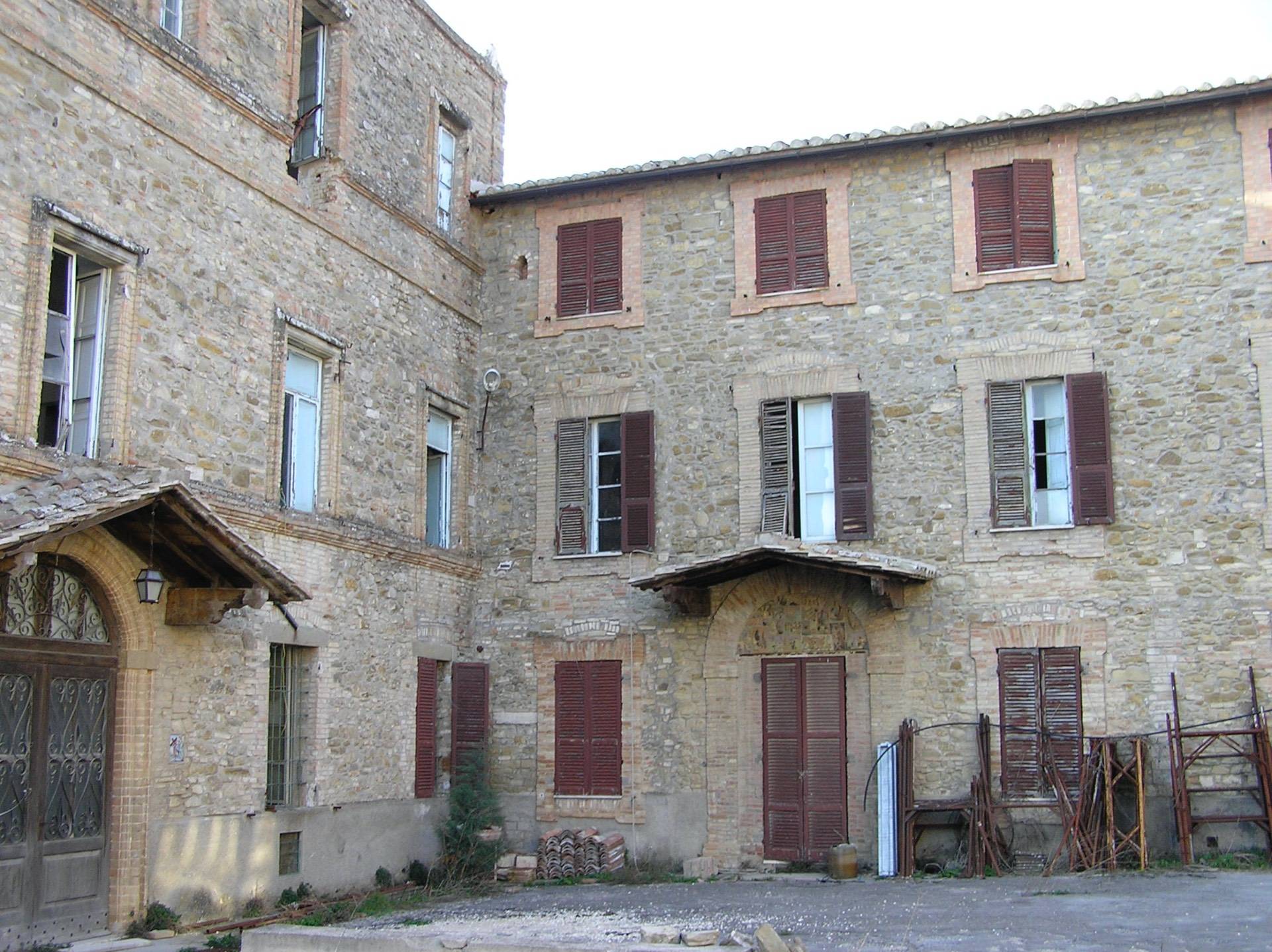
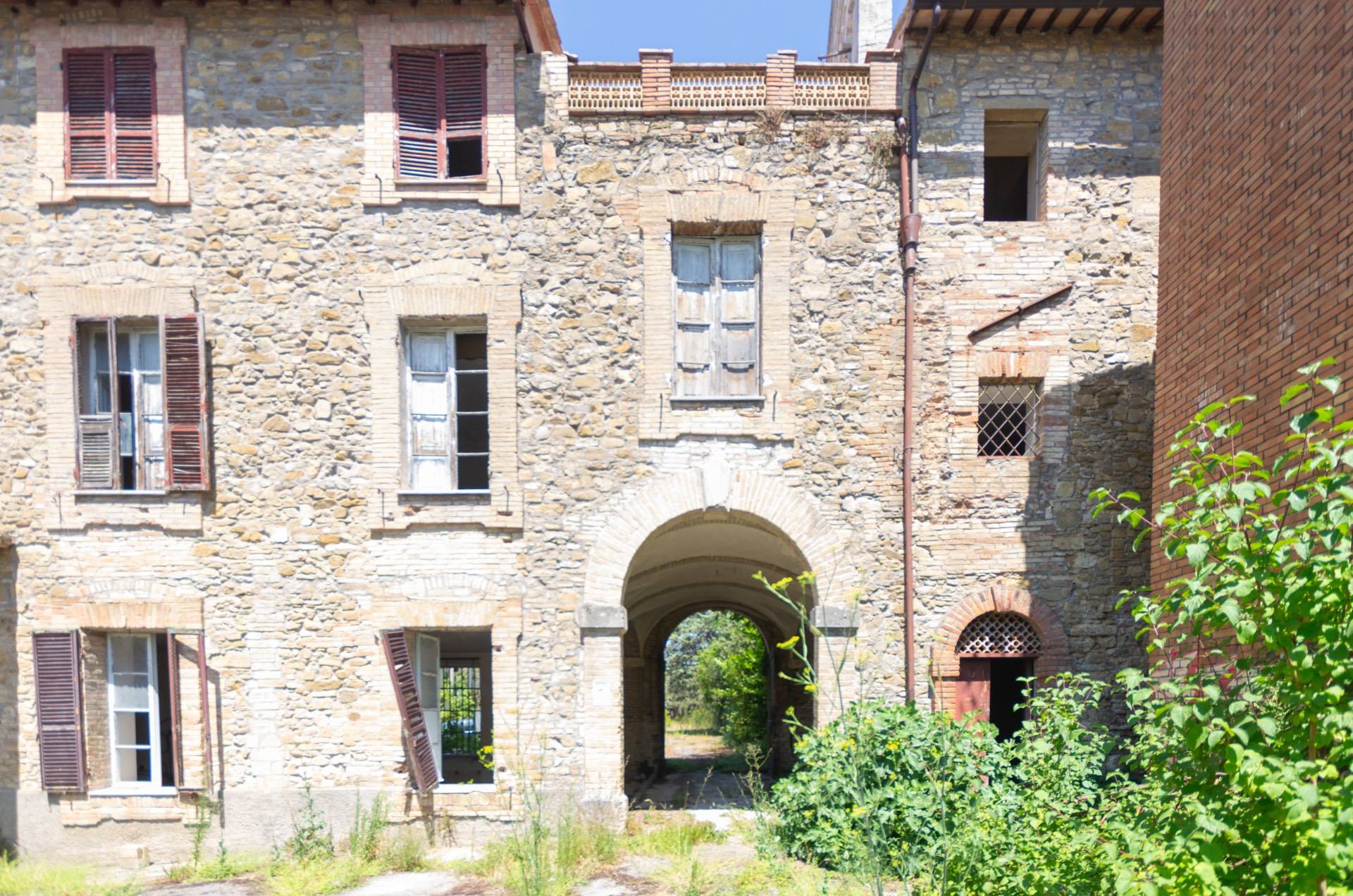
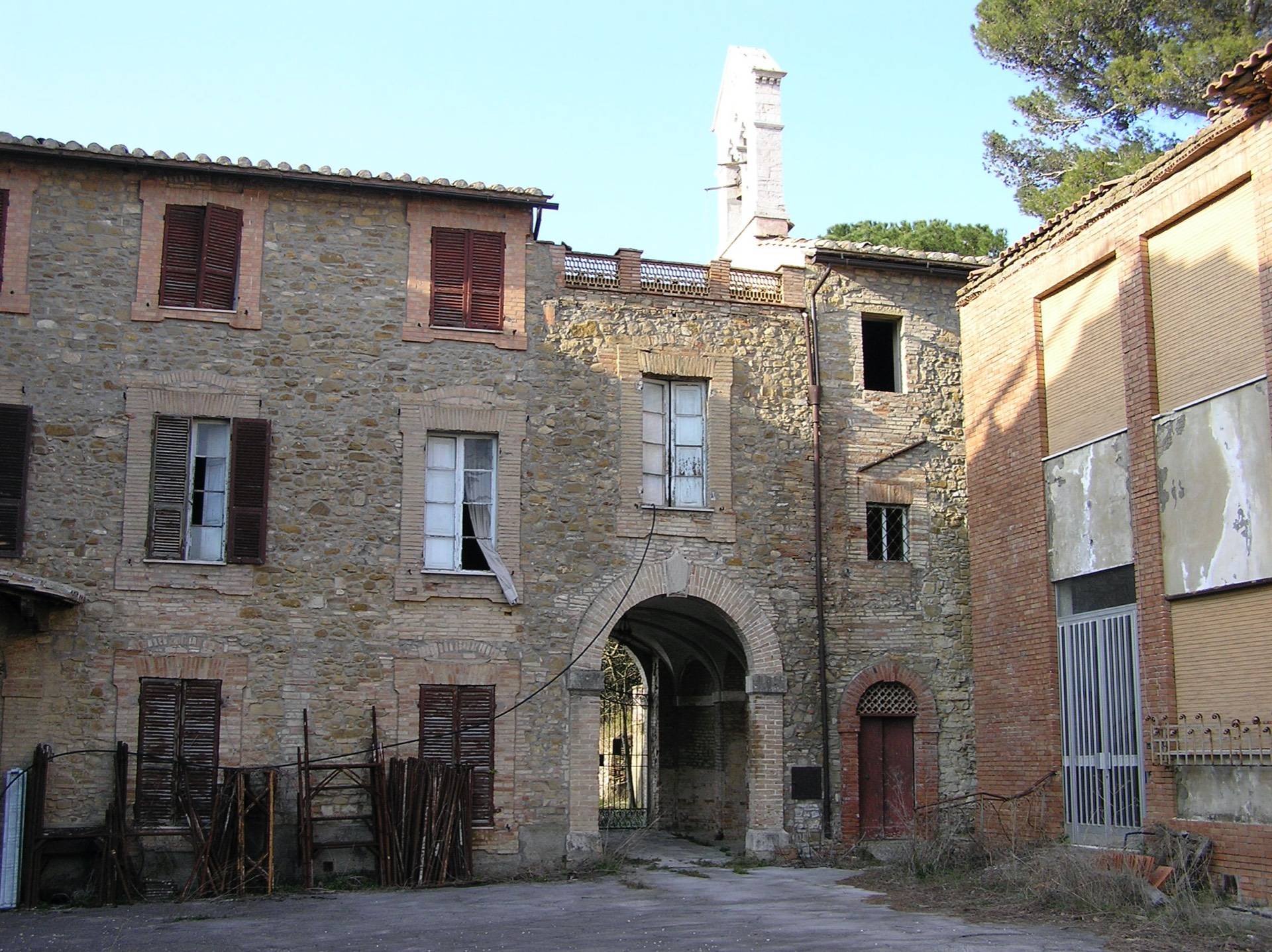
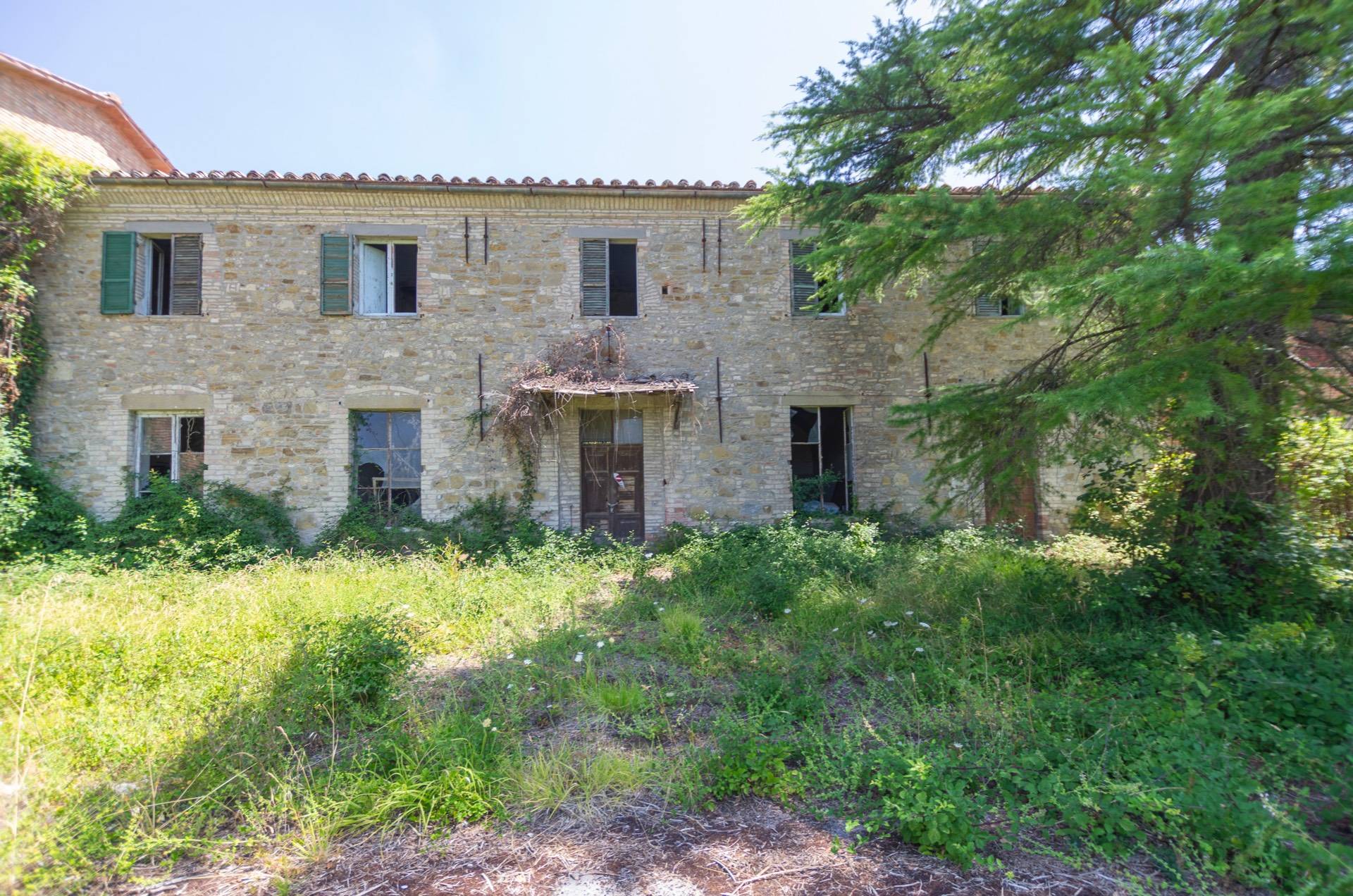
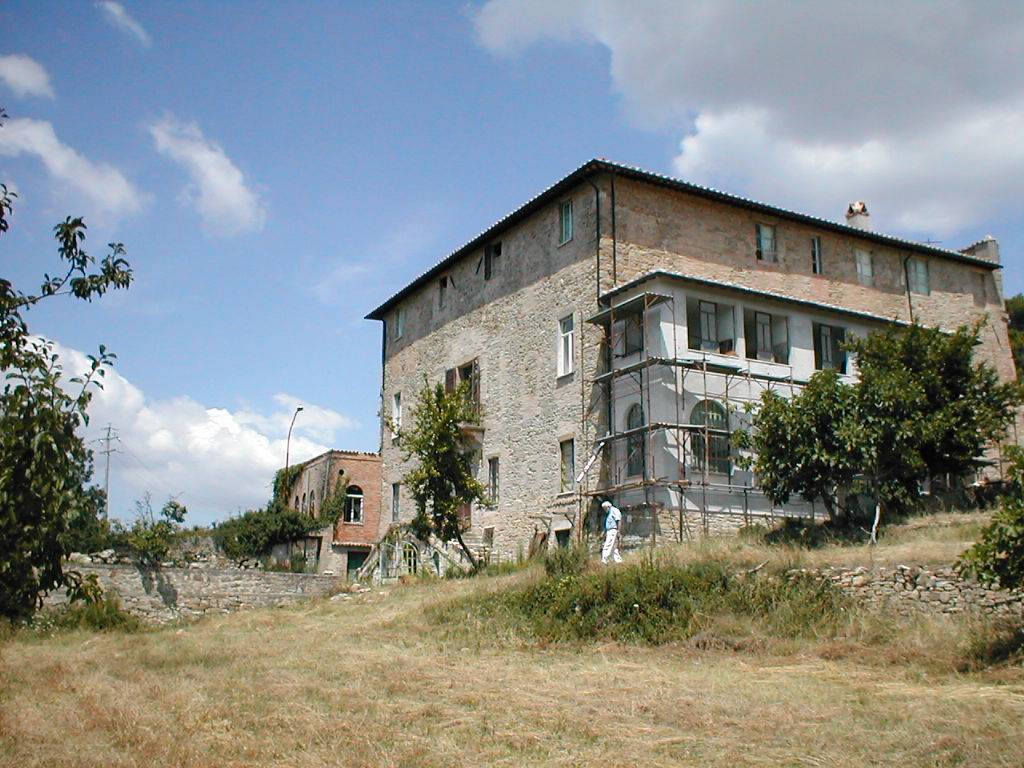
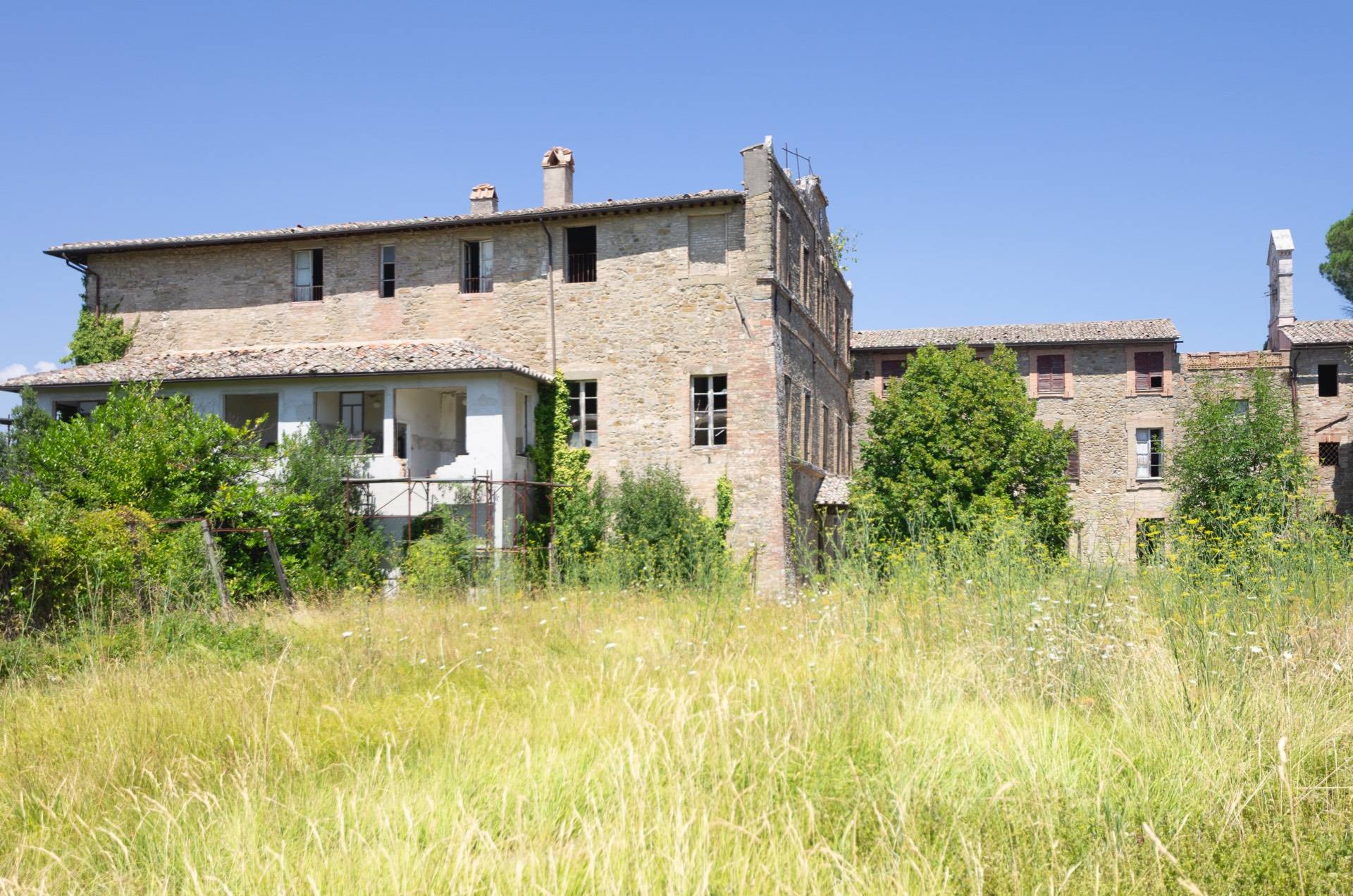
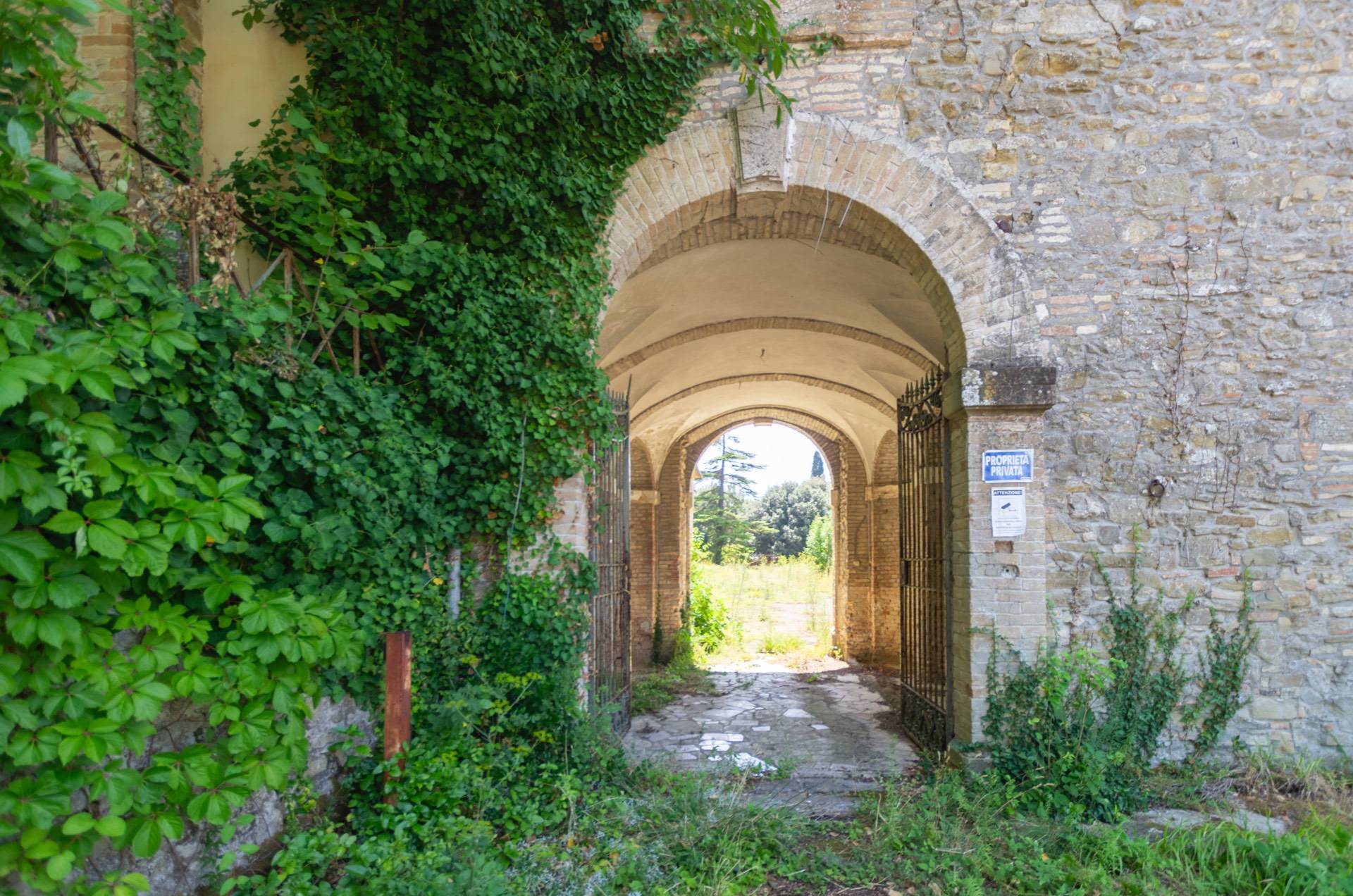
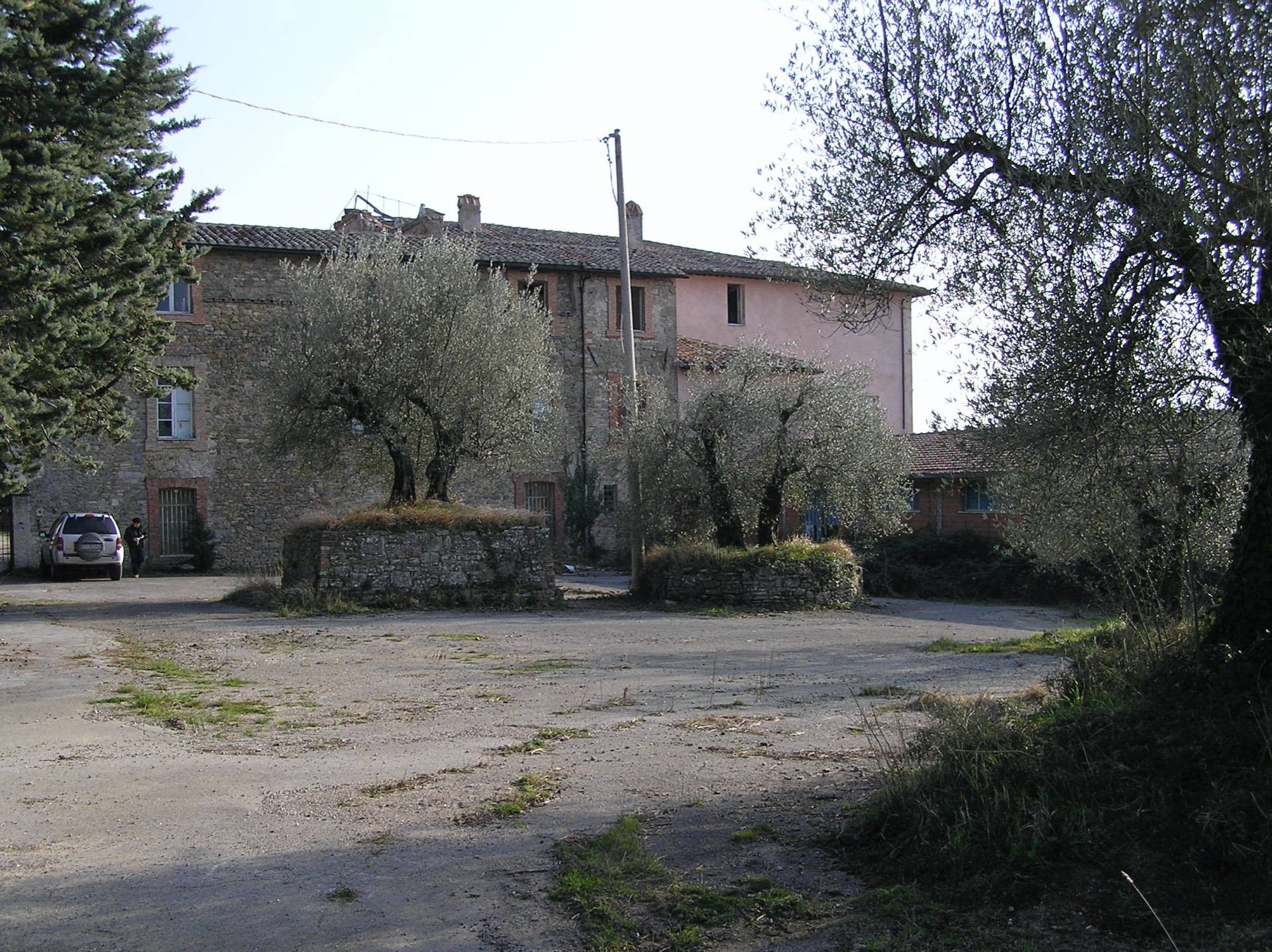
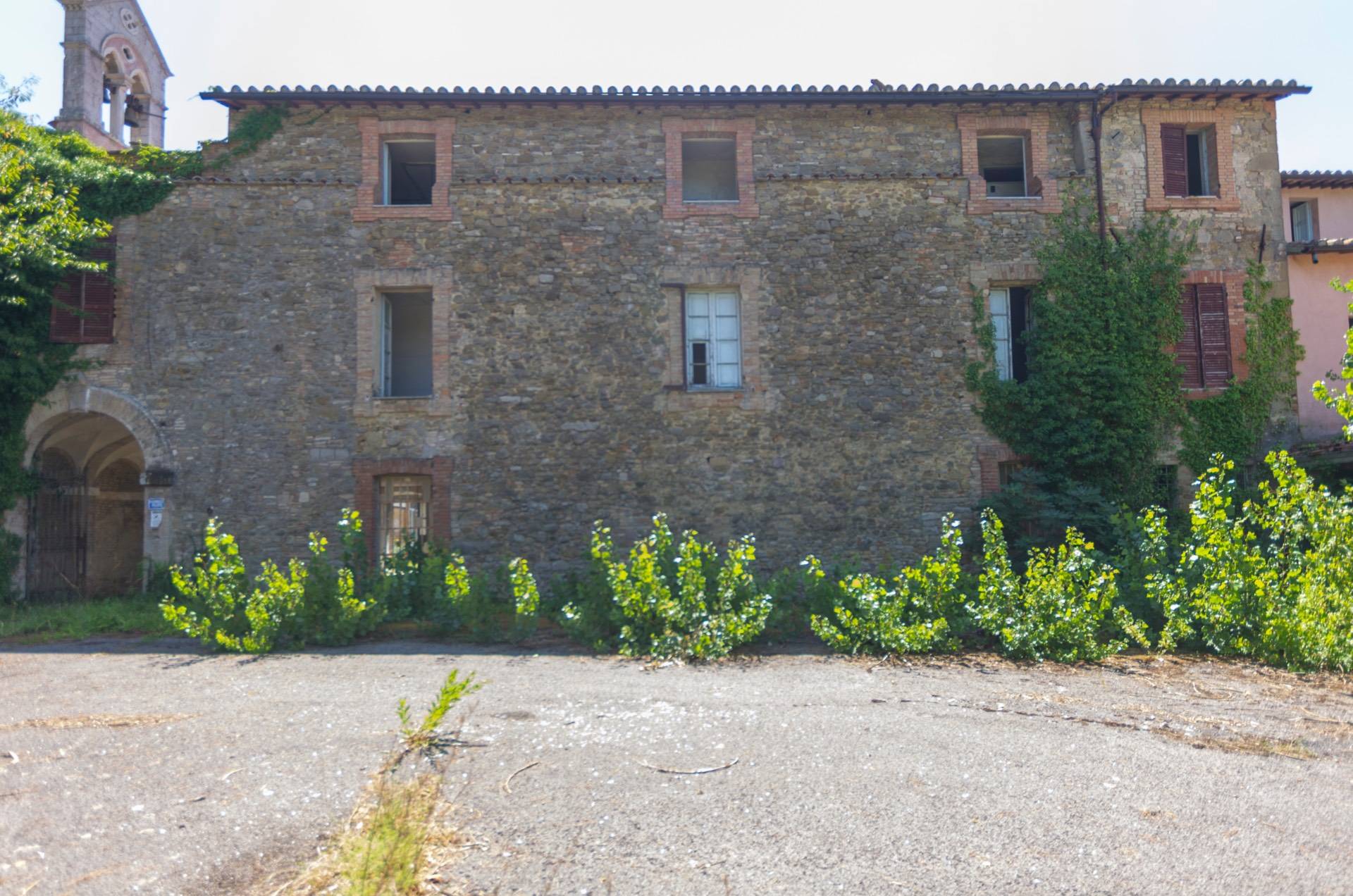
Villa Lefèbvre, situated in a prime hilltop location just minutes from Perugia’s historic center, boasts centuries of history and unique architectural charm. The historic residence, built in the late 16th century and spanning approximately 2,000 square meters, belonged to the Counts Conestabile della Staffa, an ancient Umbrian noble family. In 1860, it was donated as a dowry to their daughter Camilla upon her marriage to Count Lefèbvre, commander of the Papal Guard. This marked the beginning of a new era for the residence, which became a hub for Umbrian nobility and prominent figures connected to the Papal State.
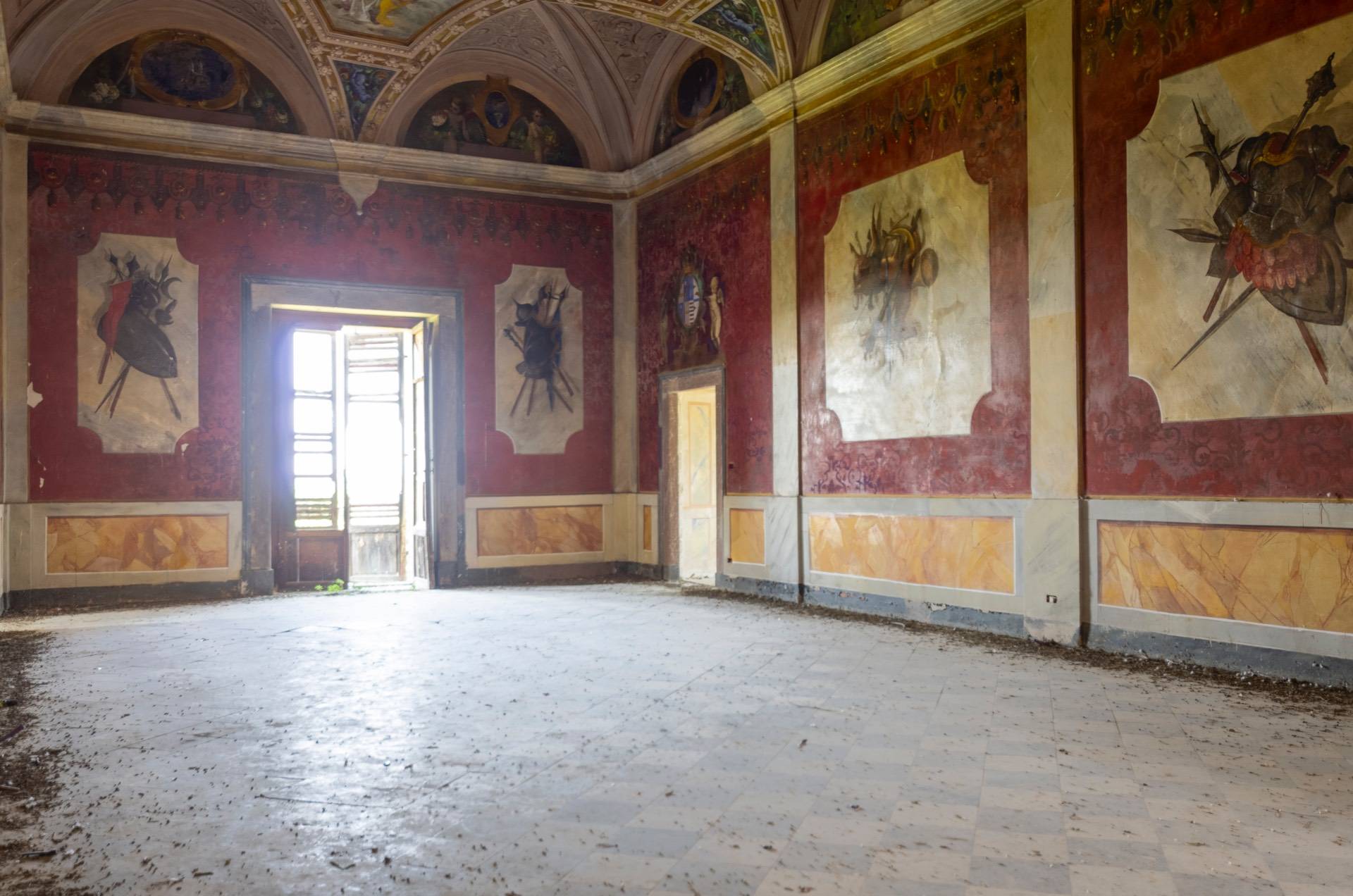
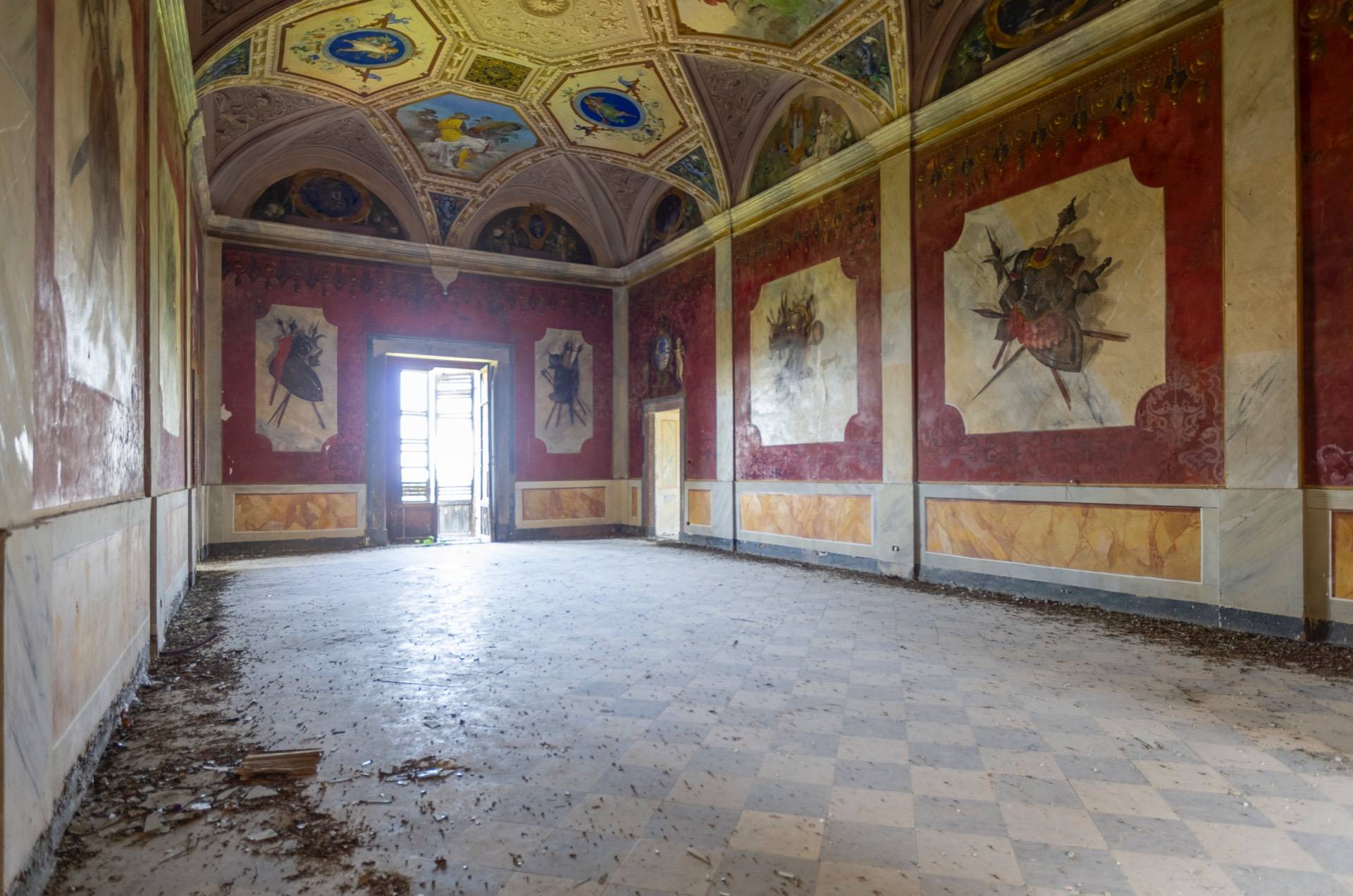
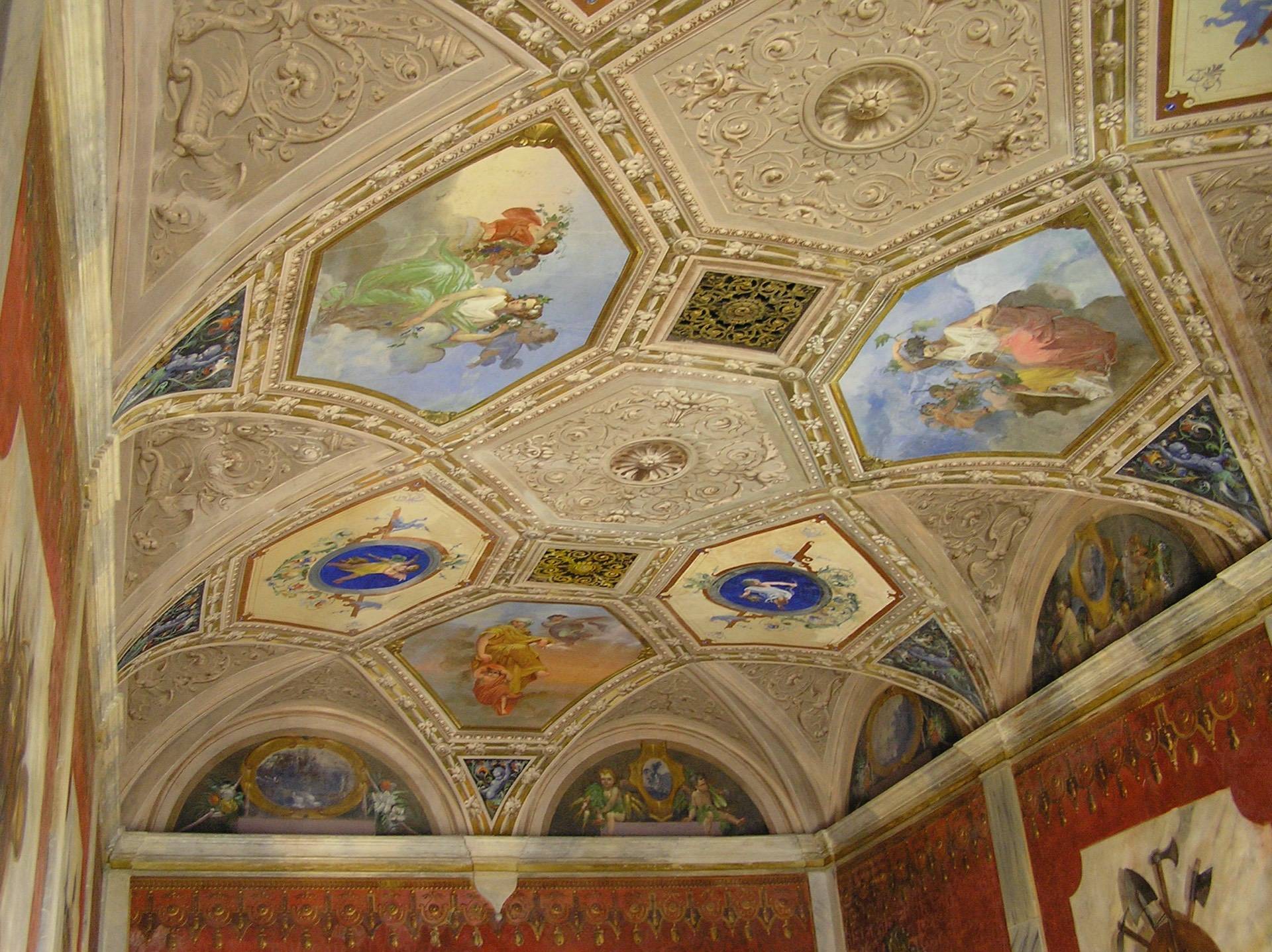
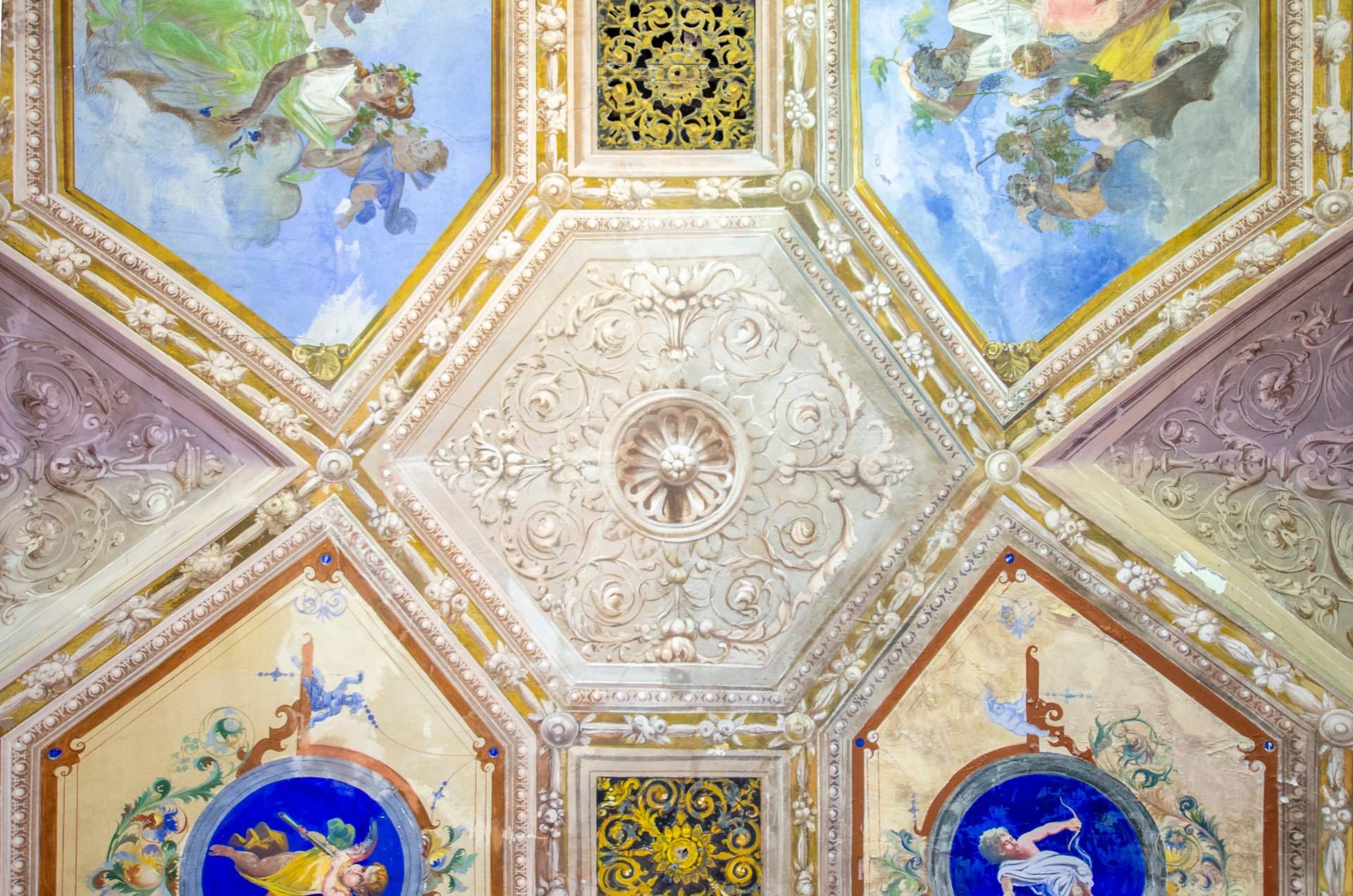
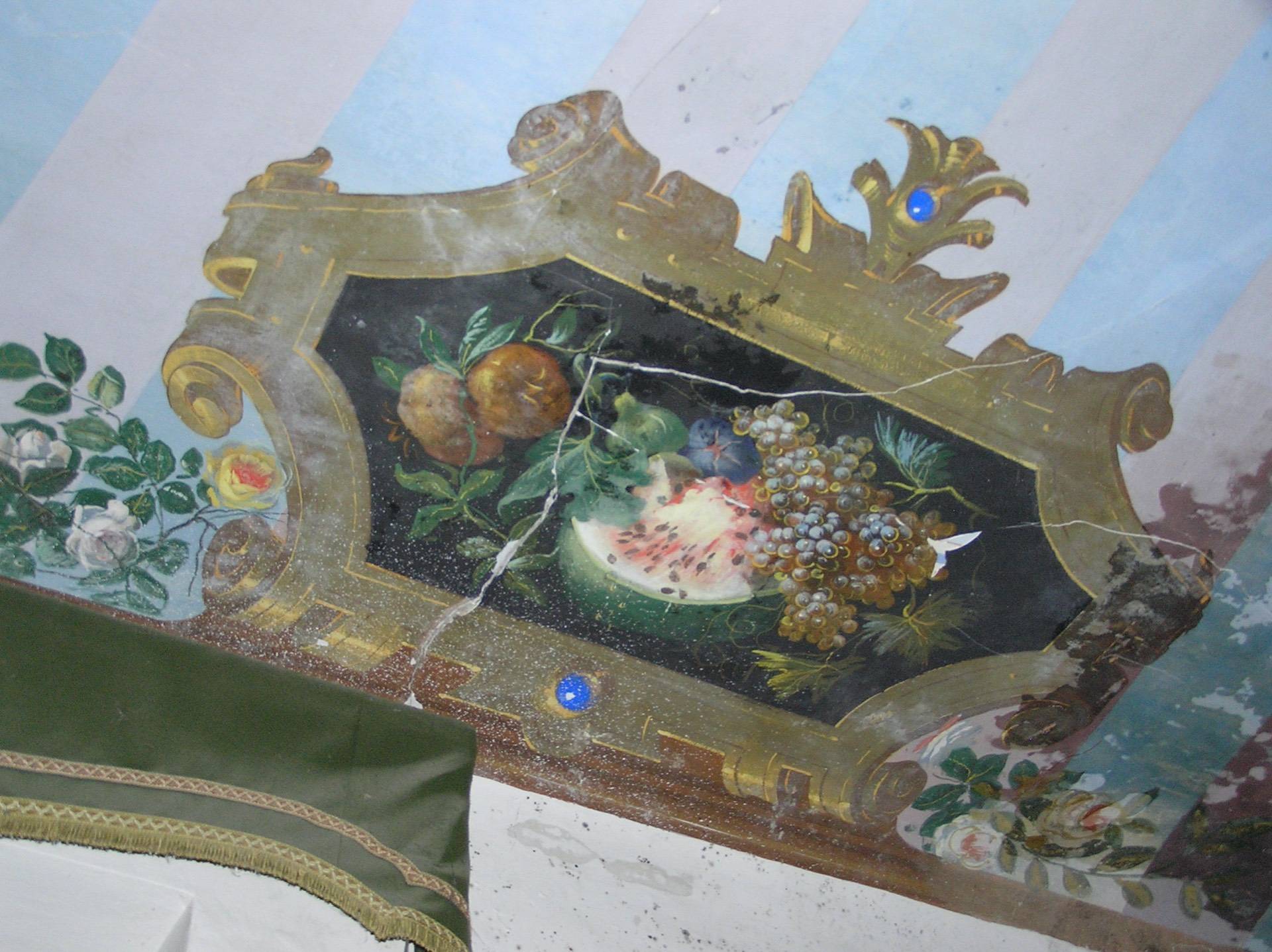
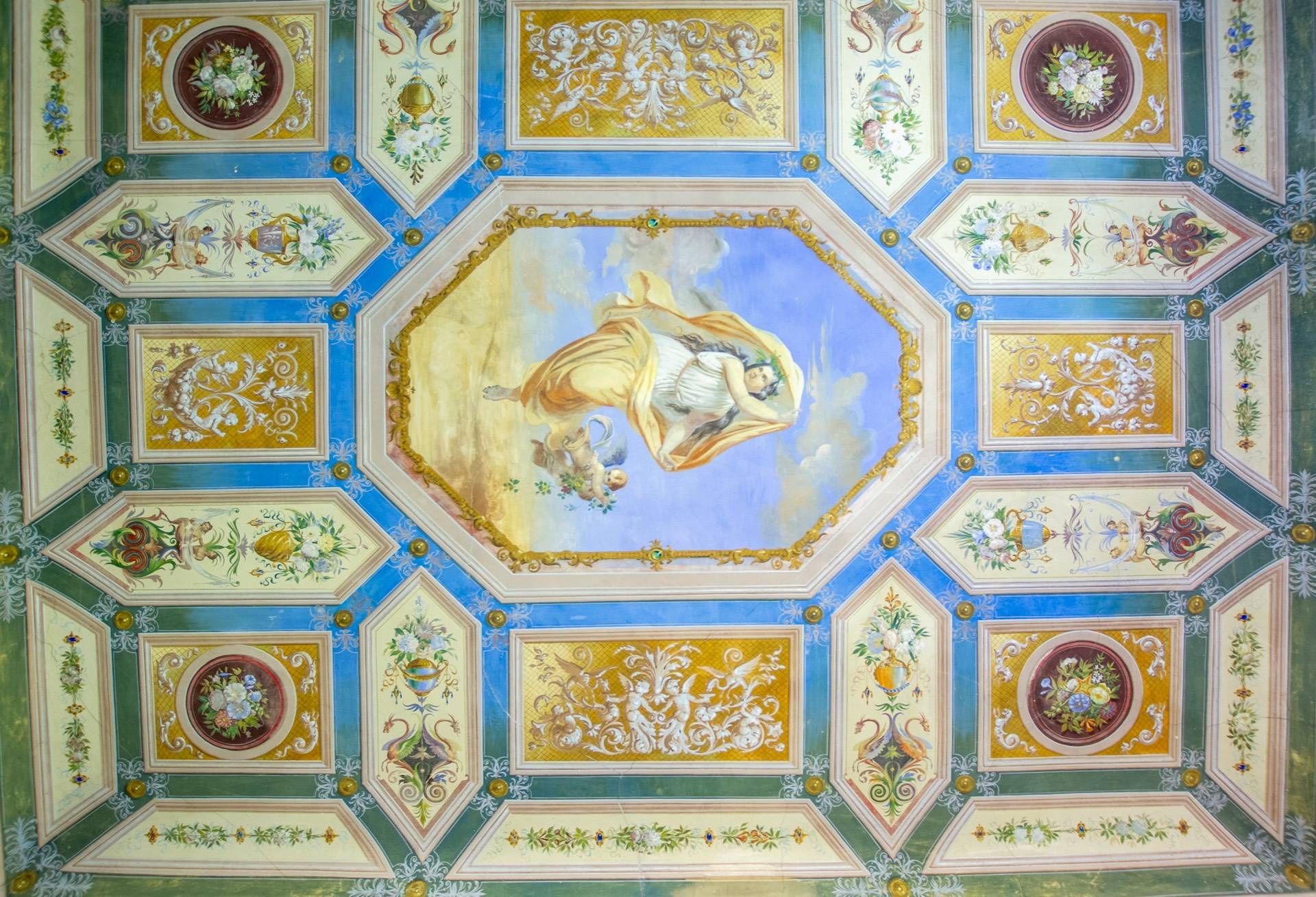
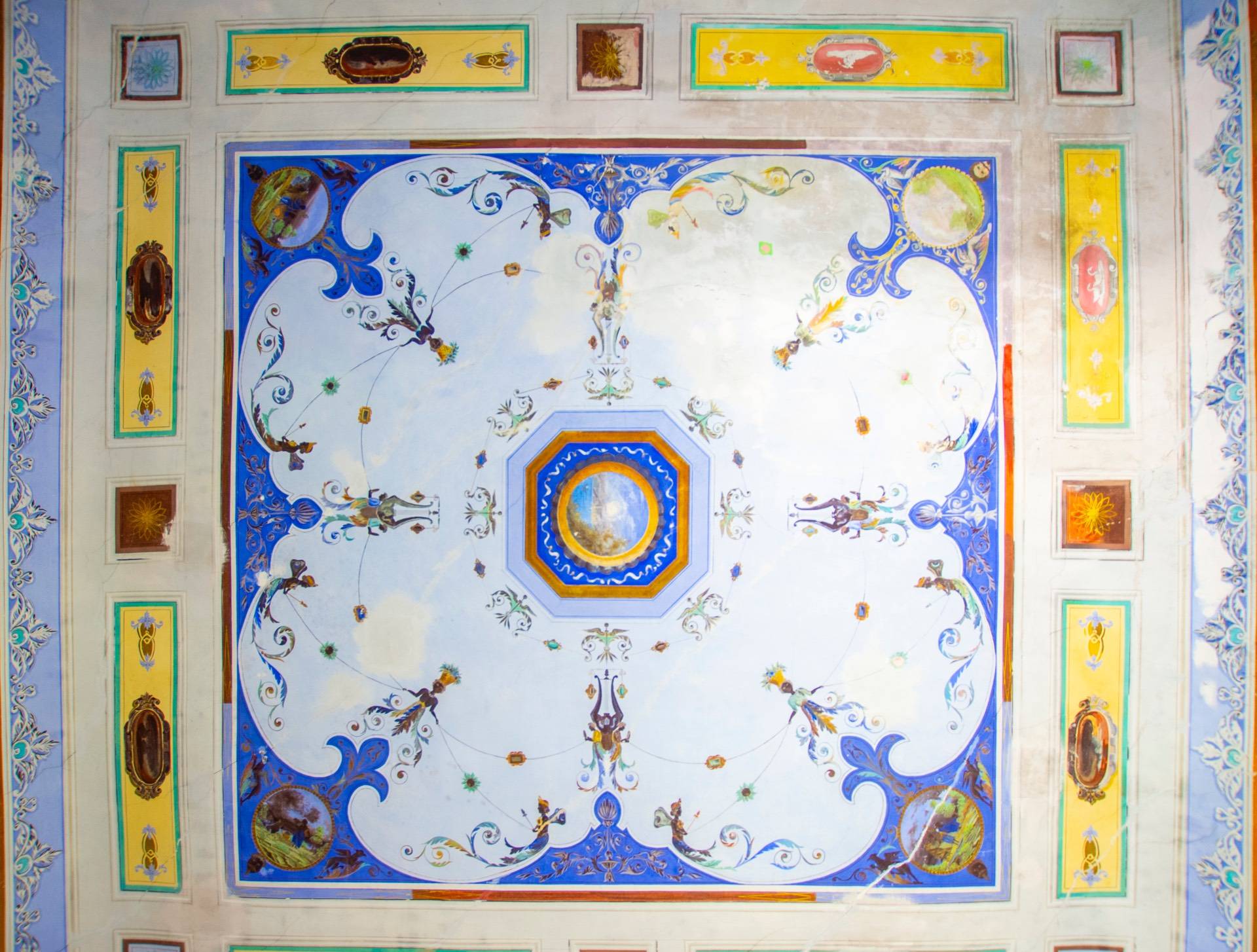
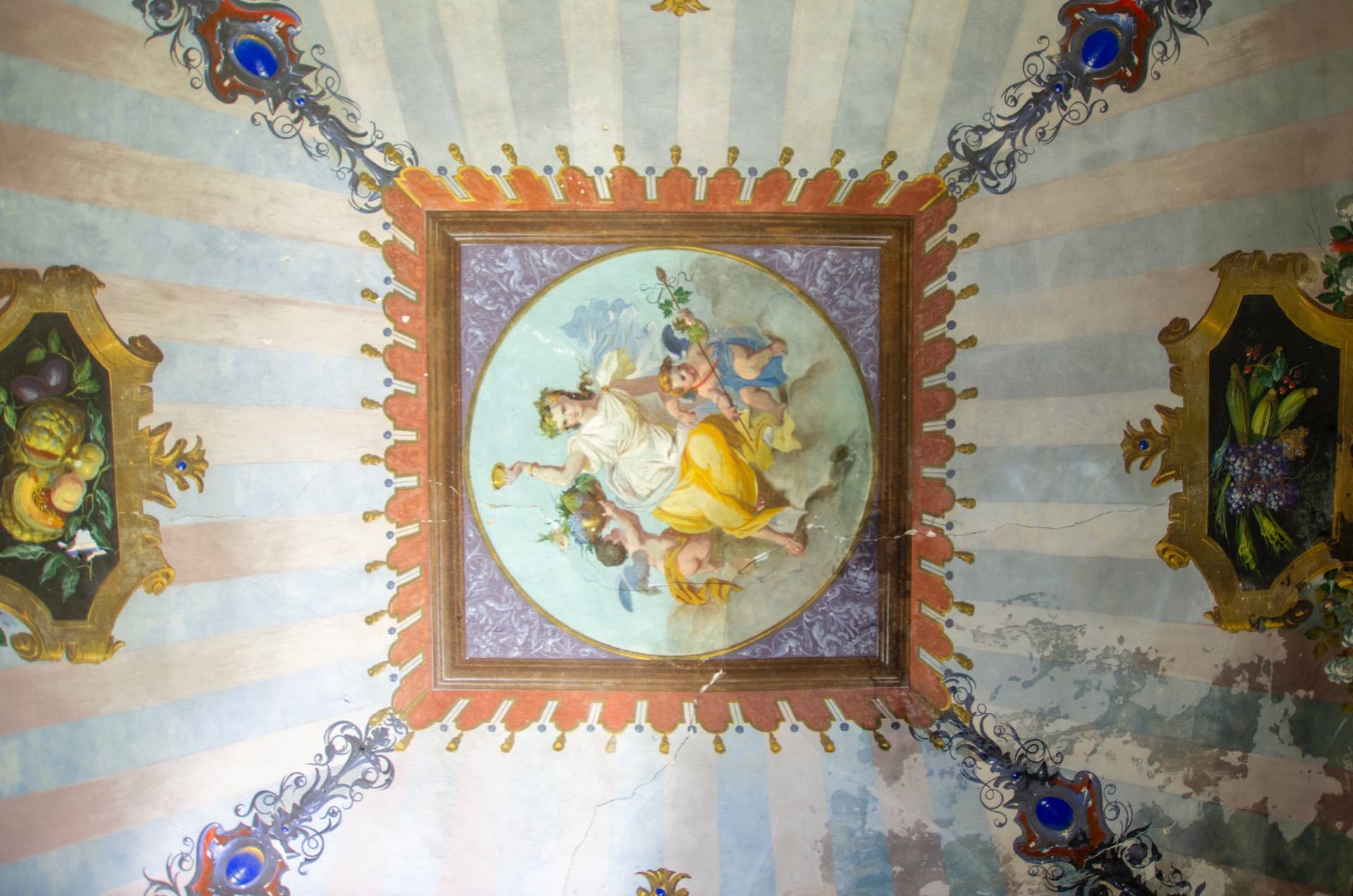
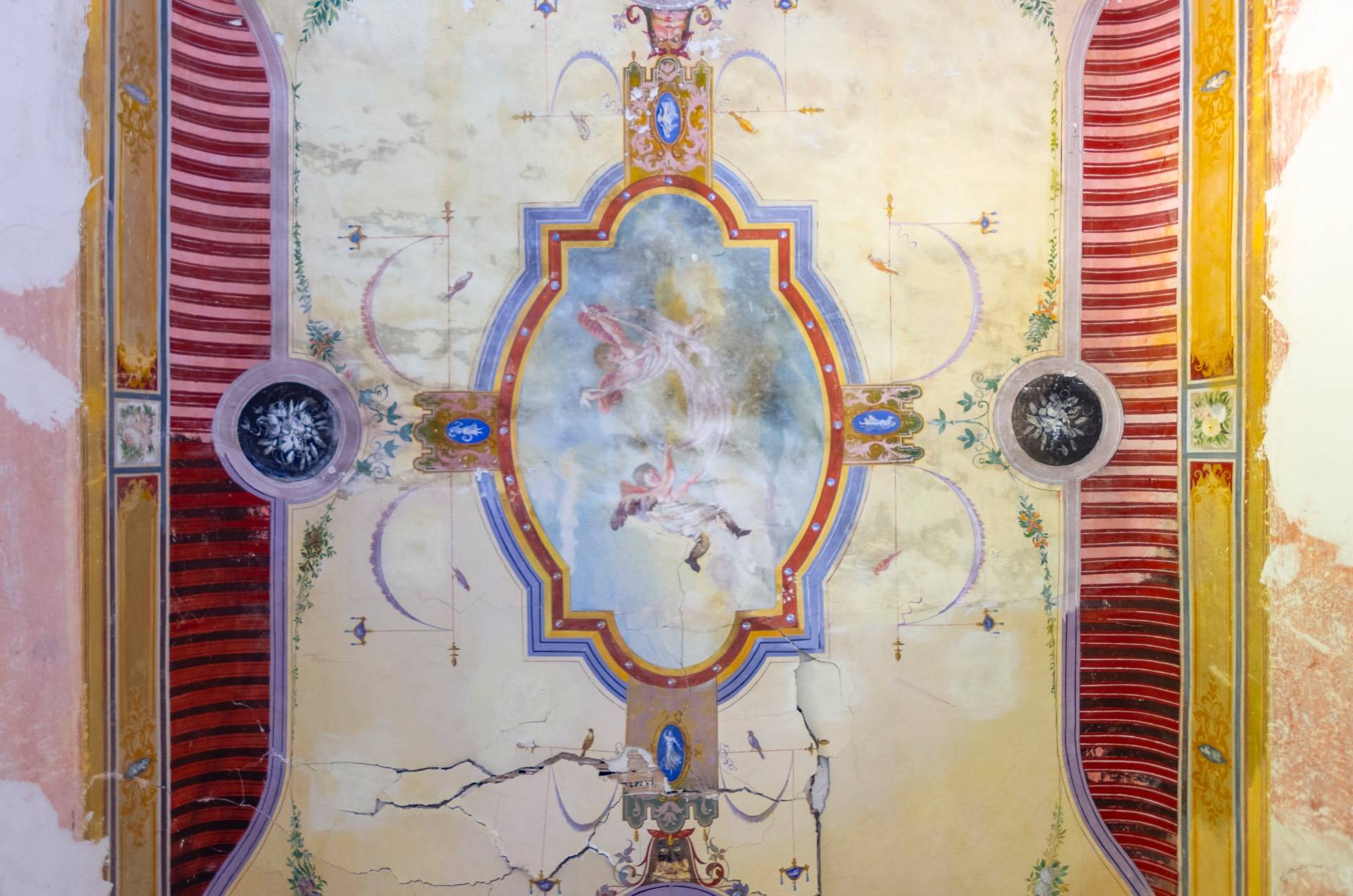
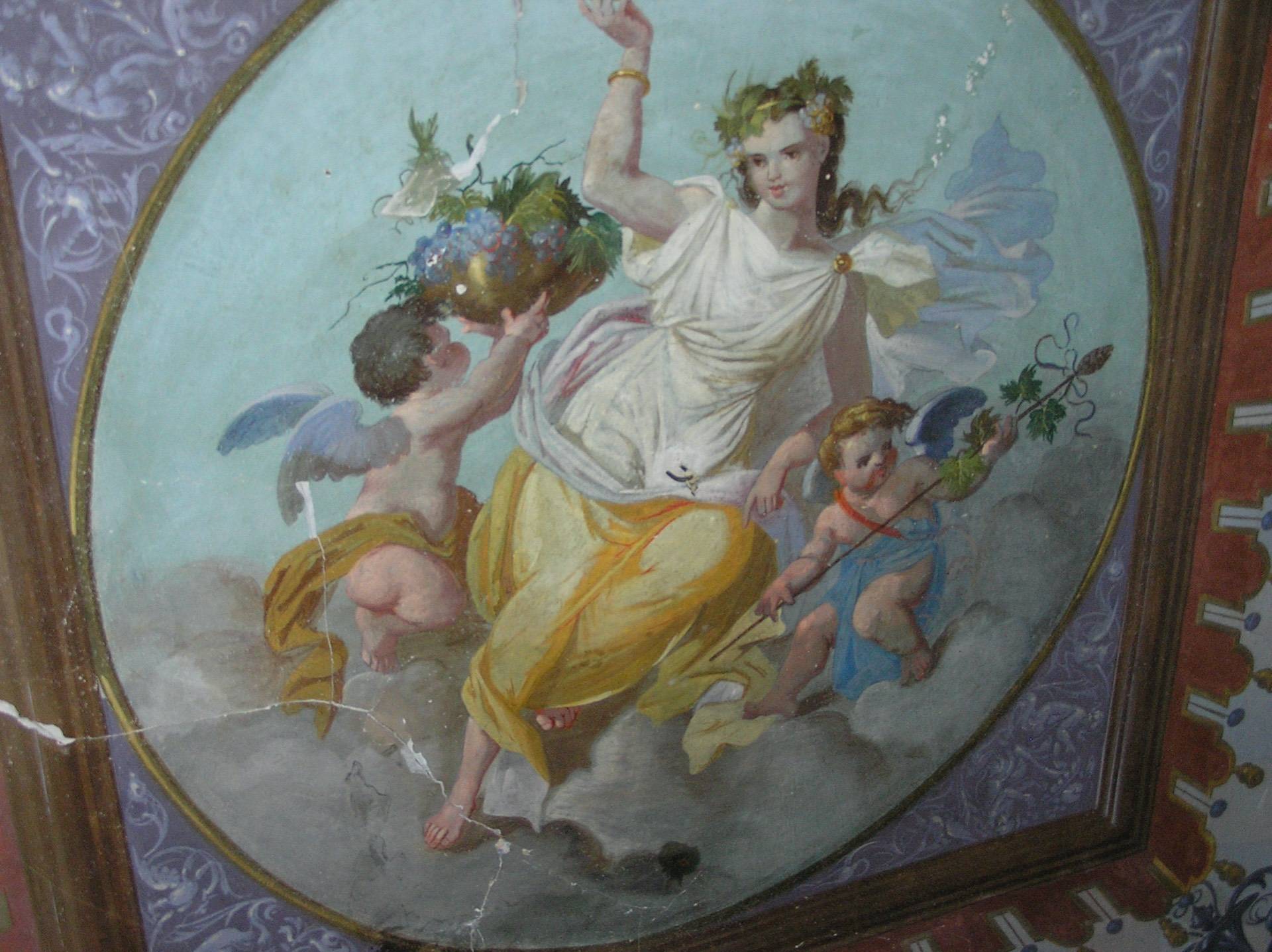
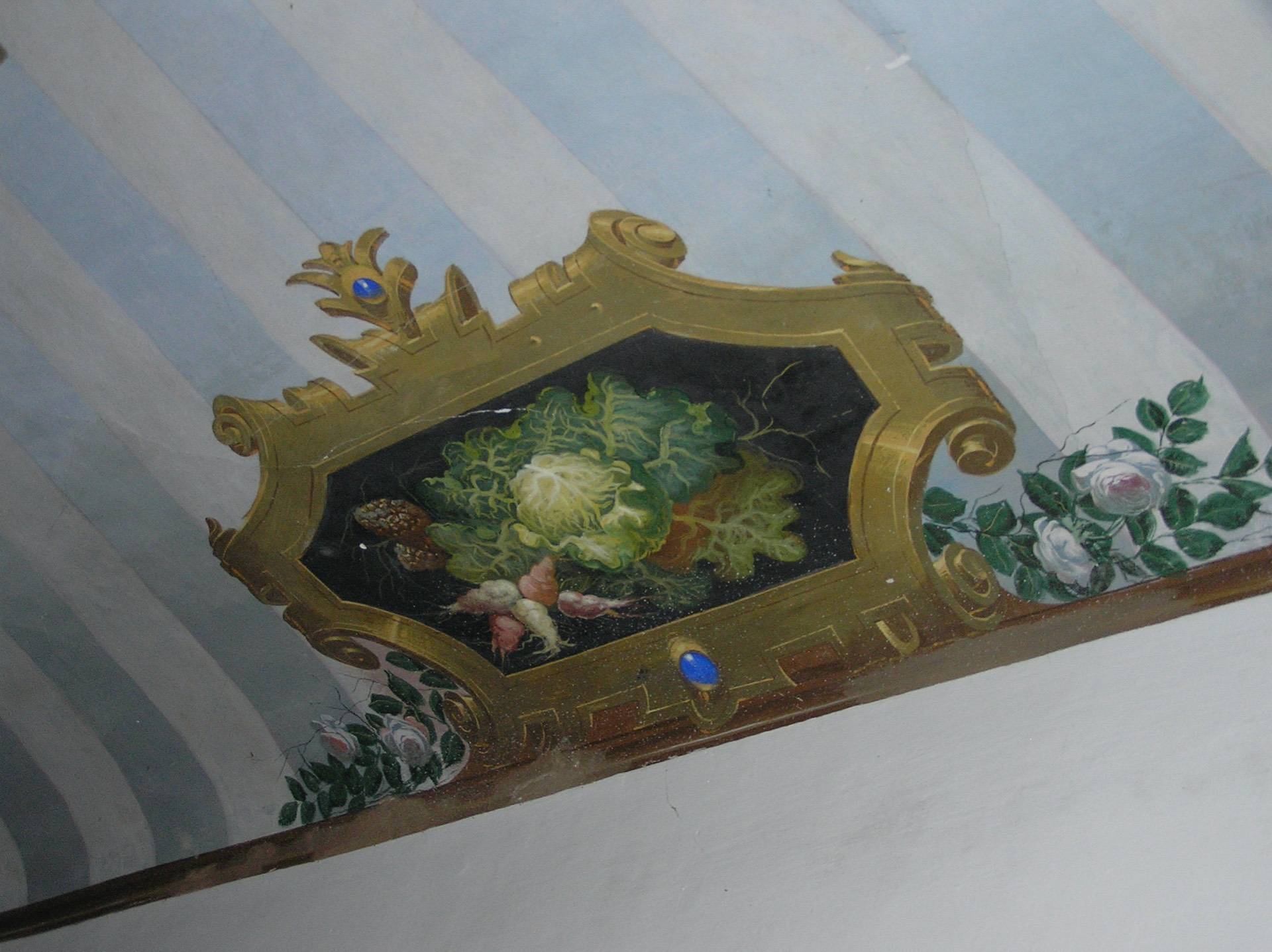
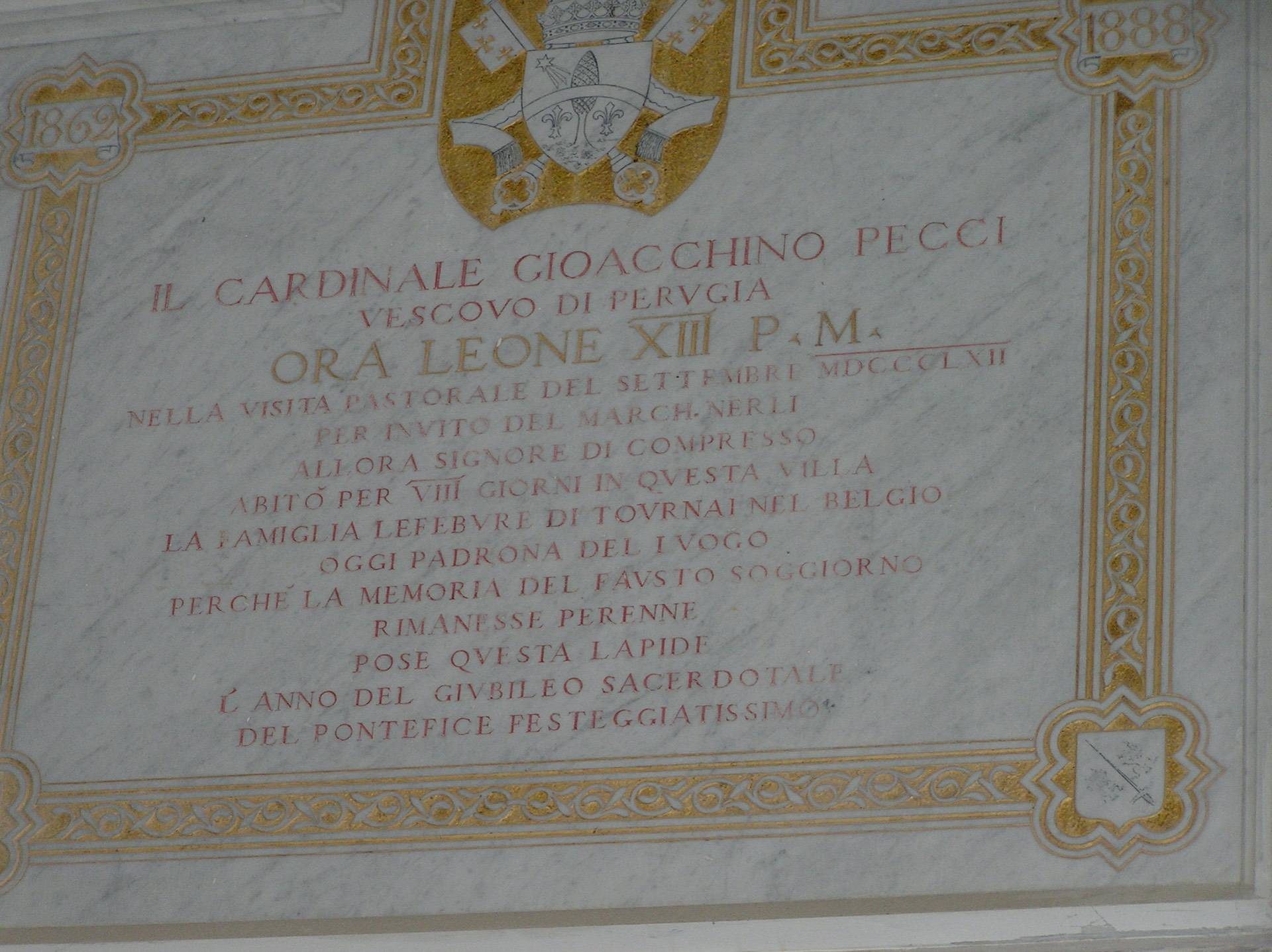
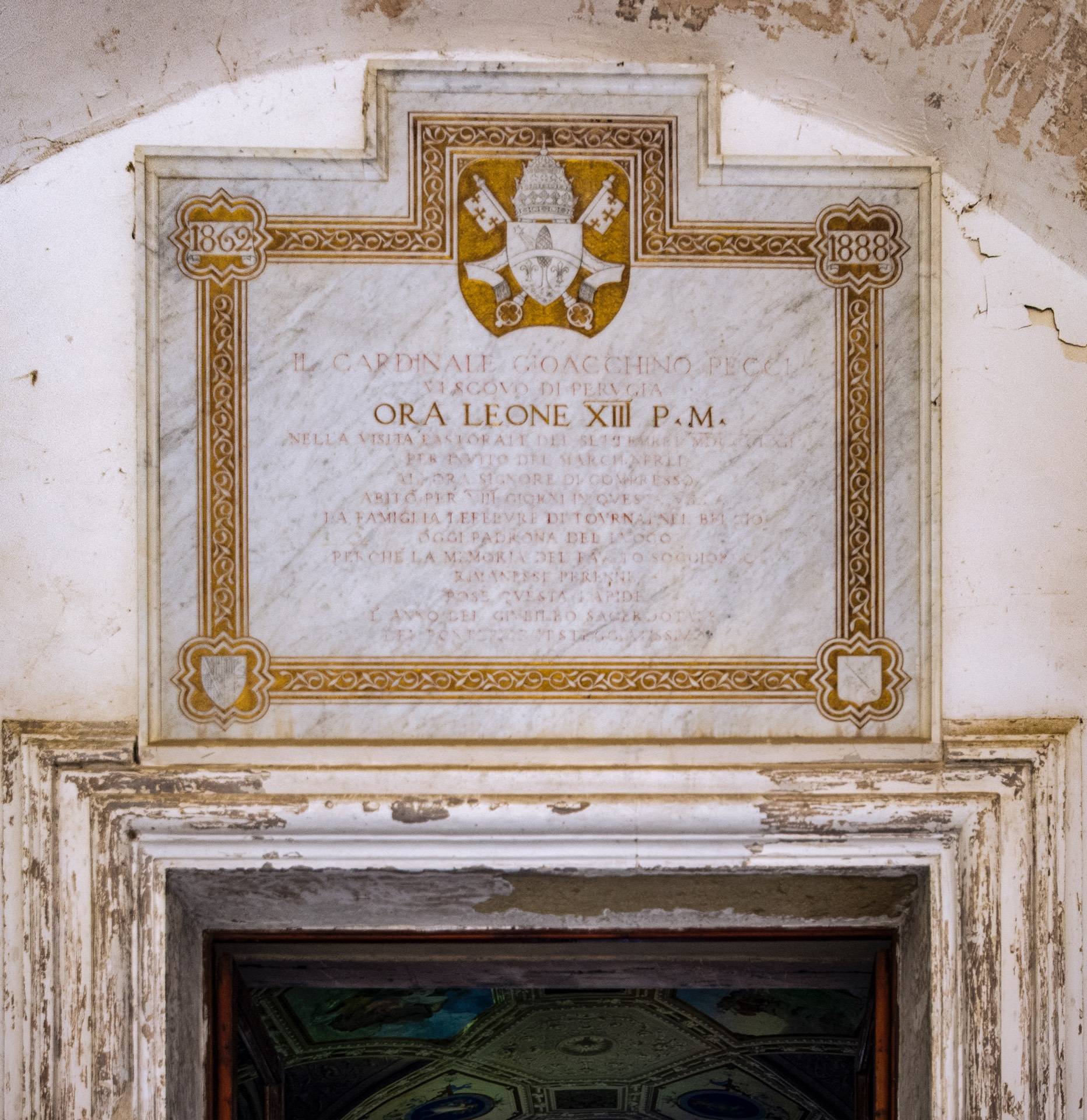
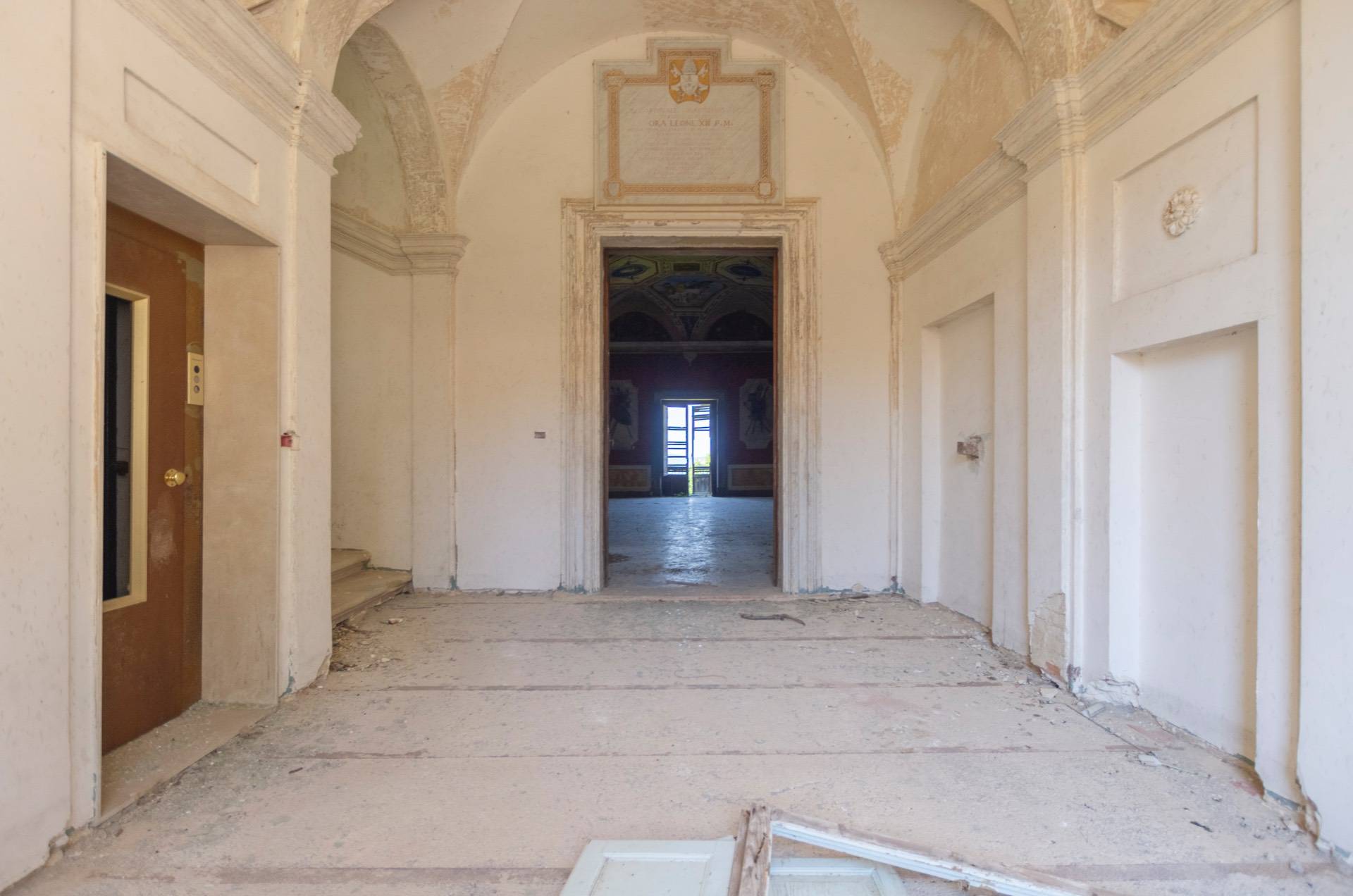
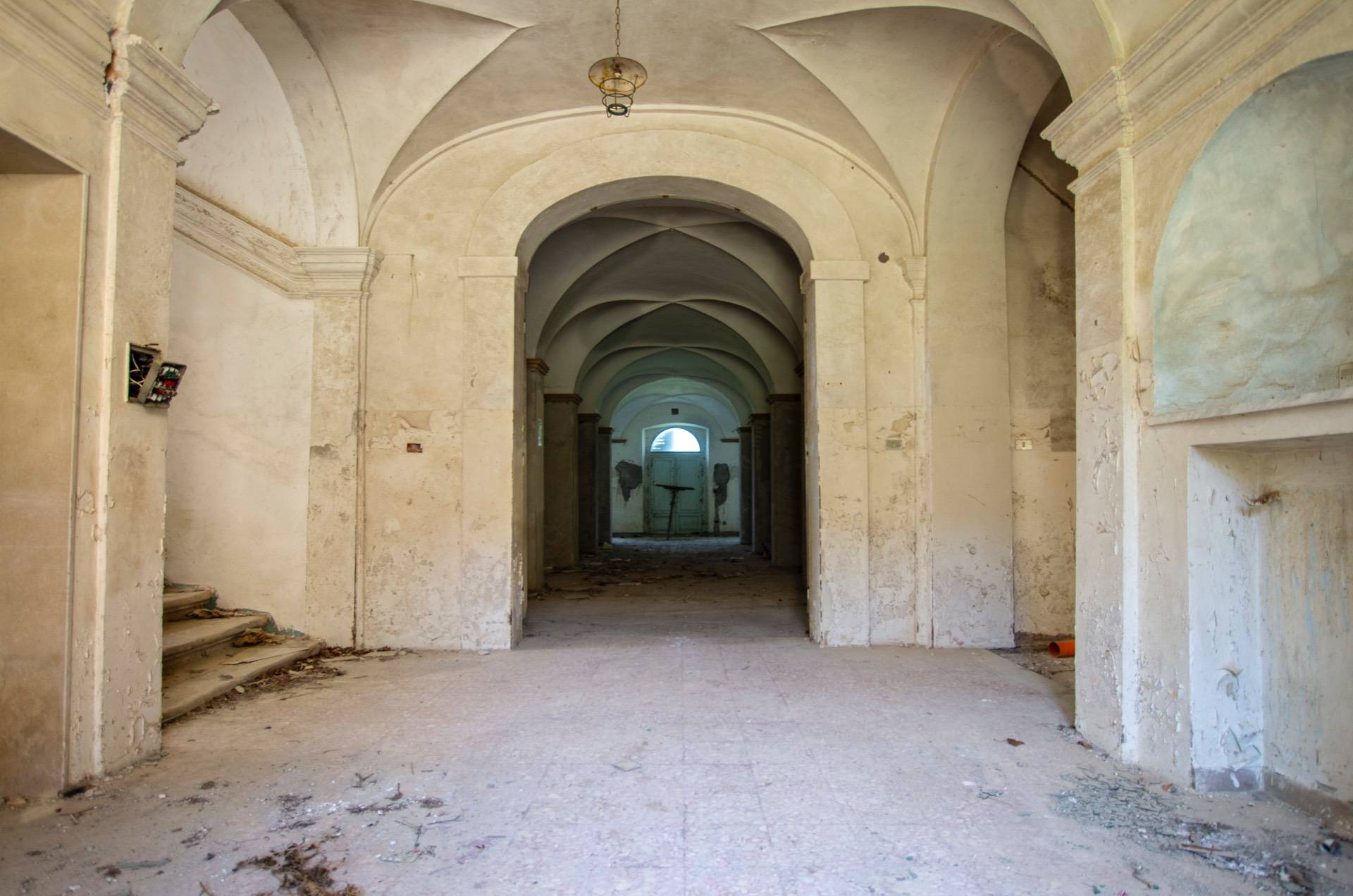
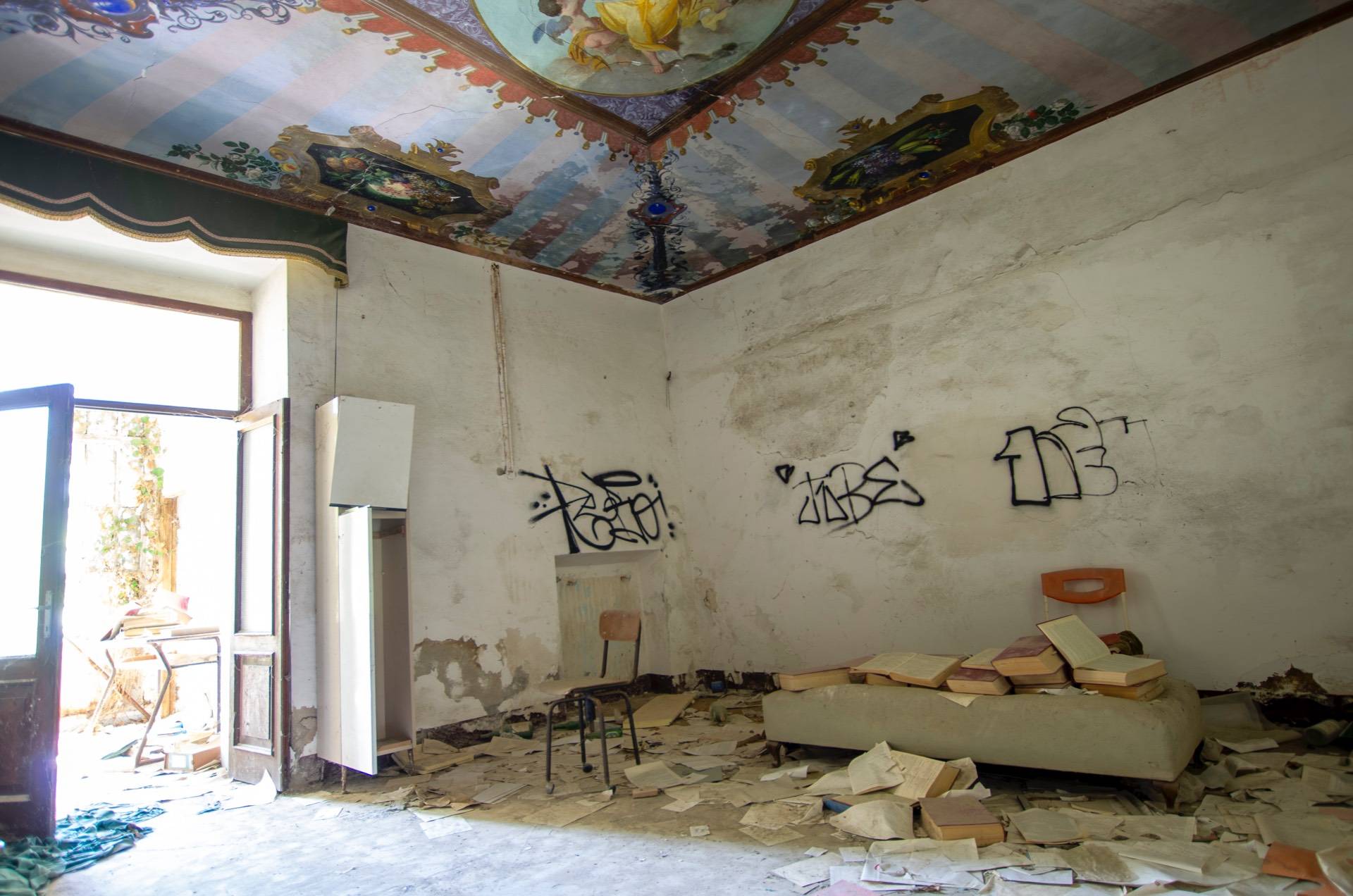
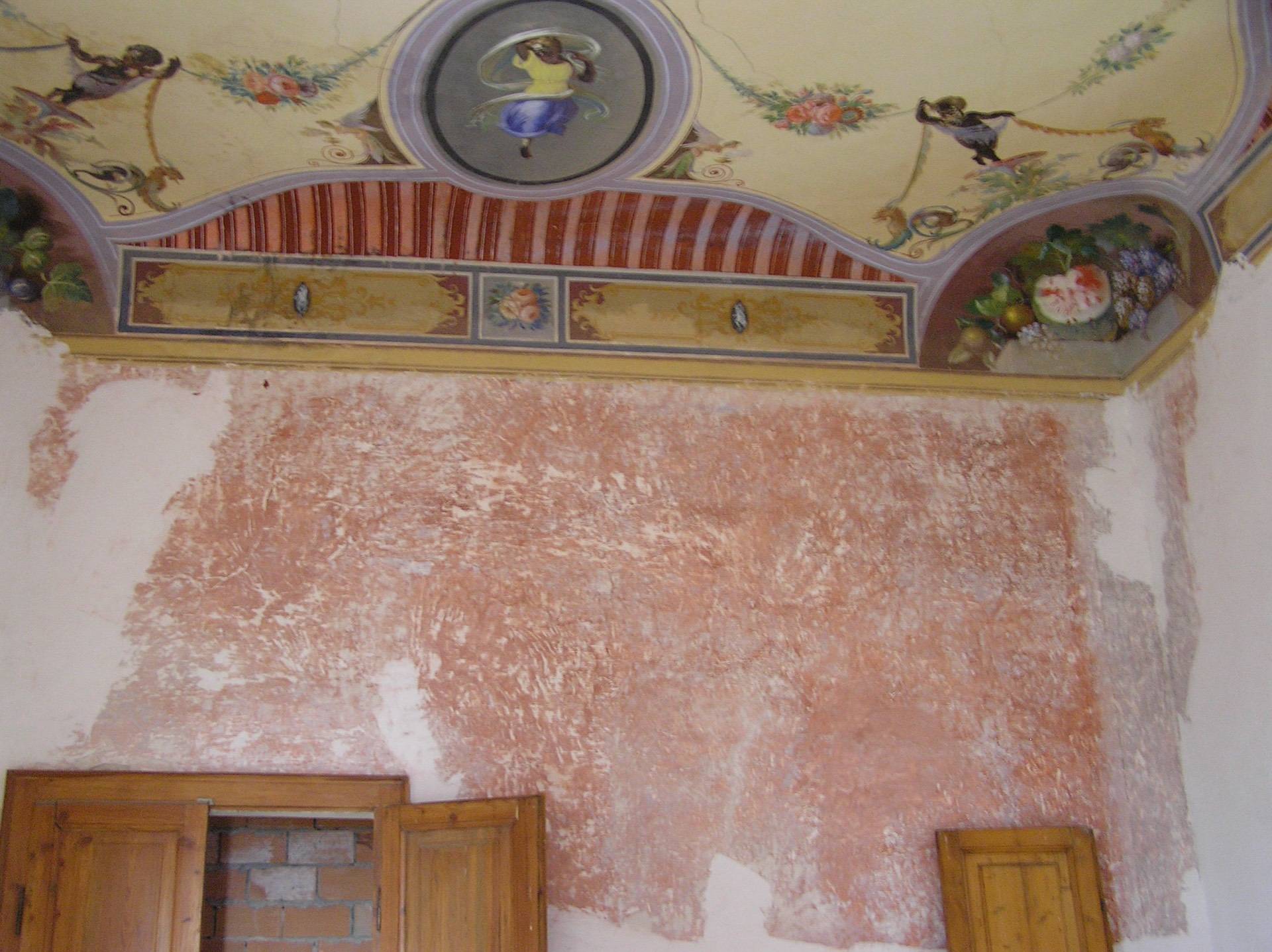
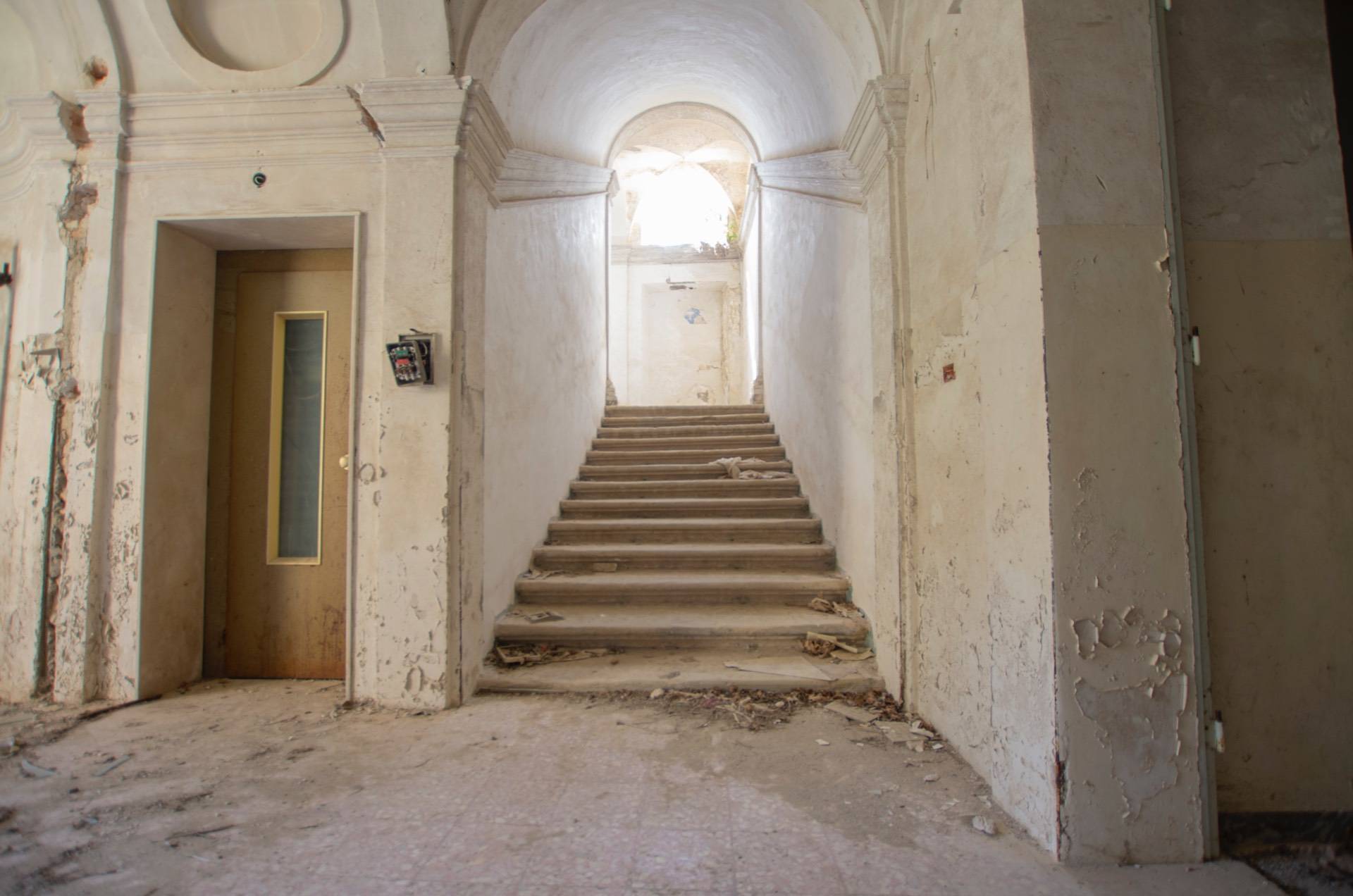
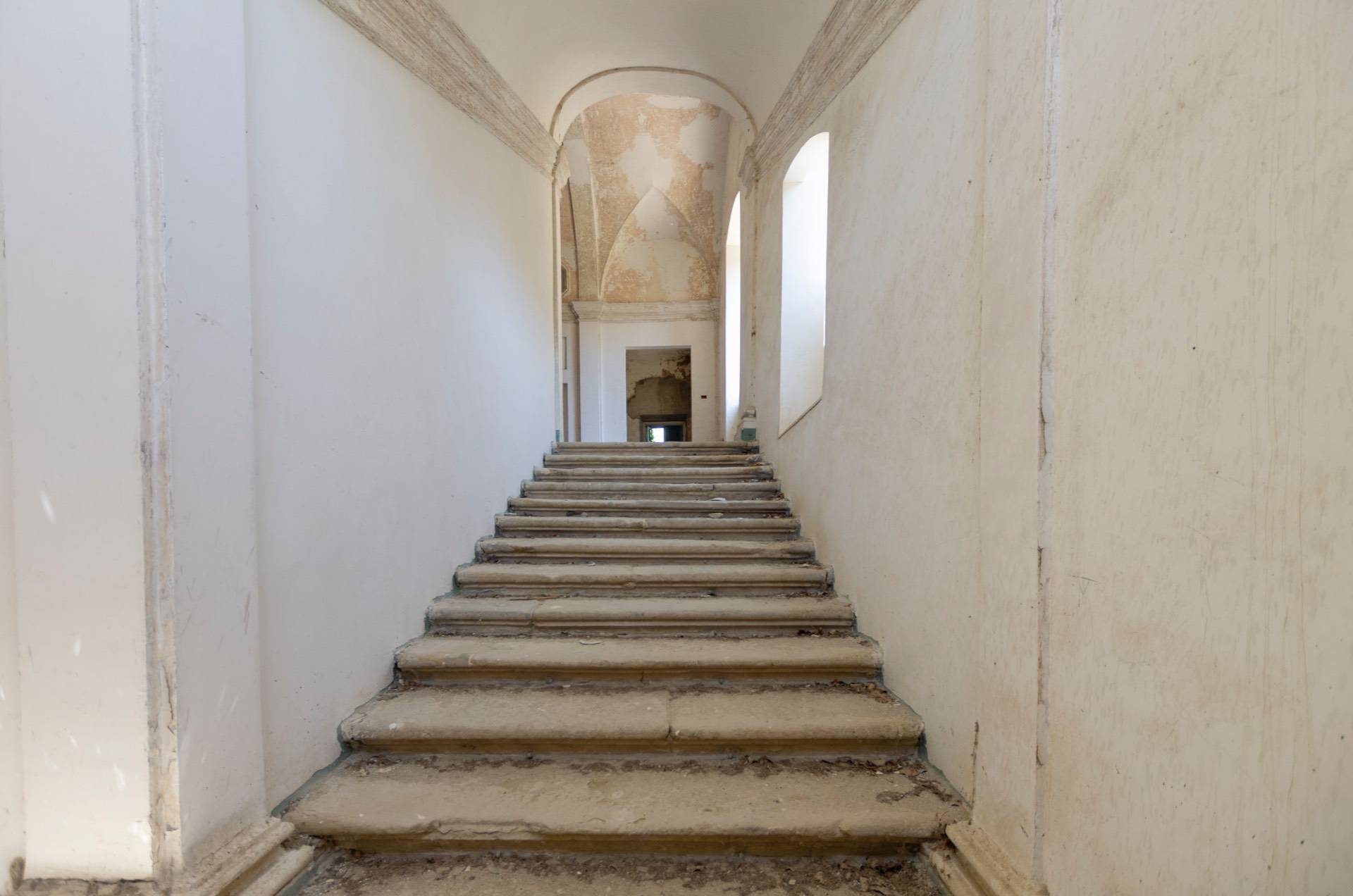
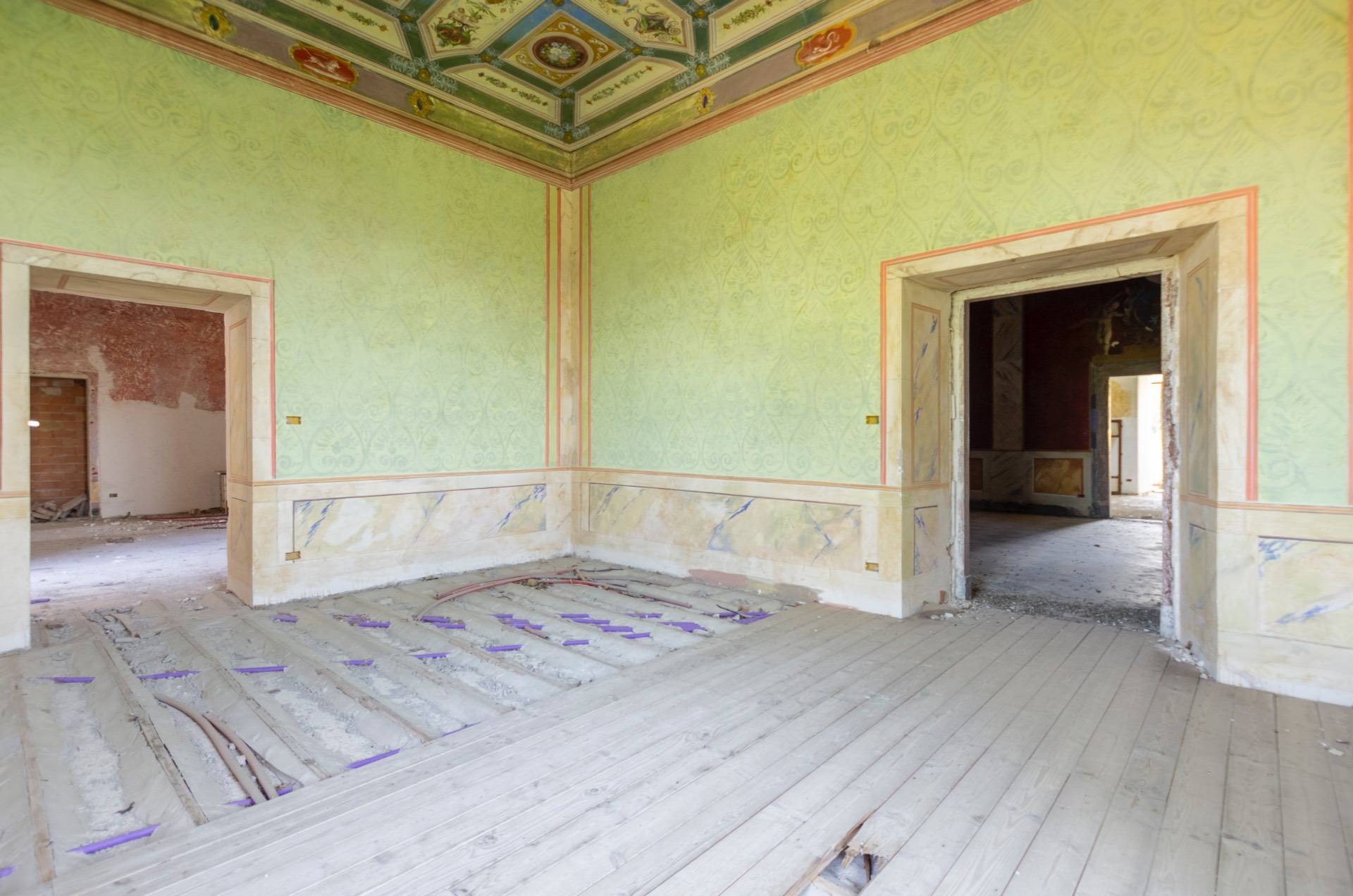
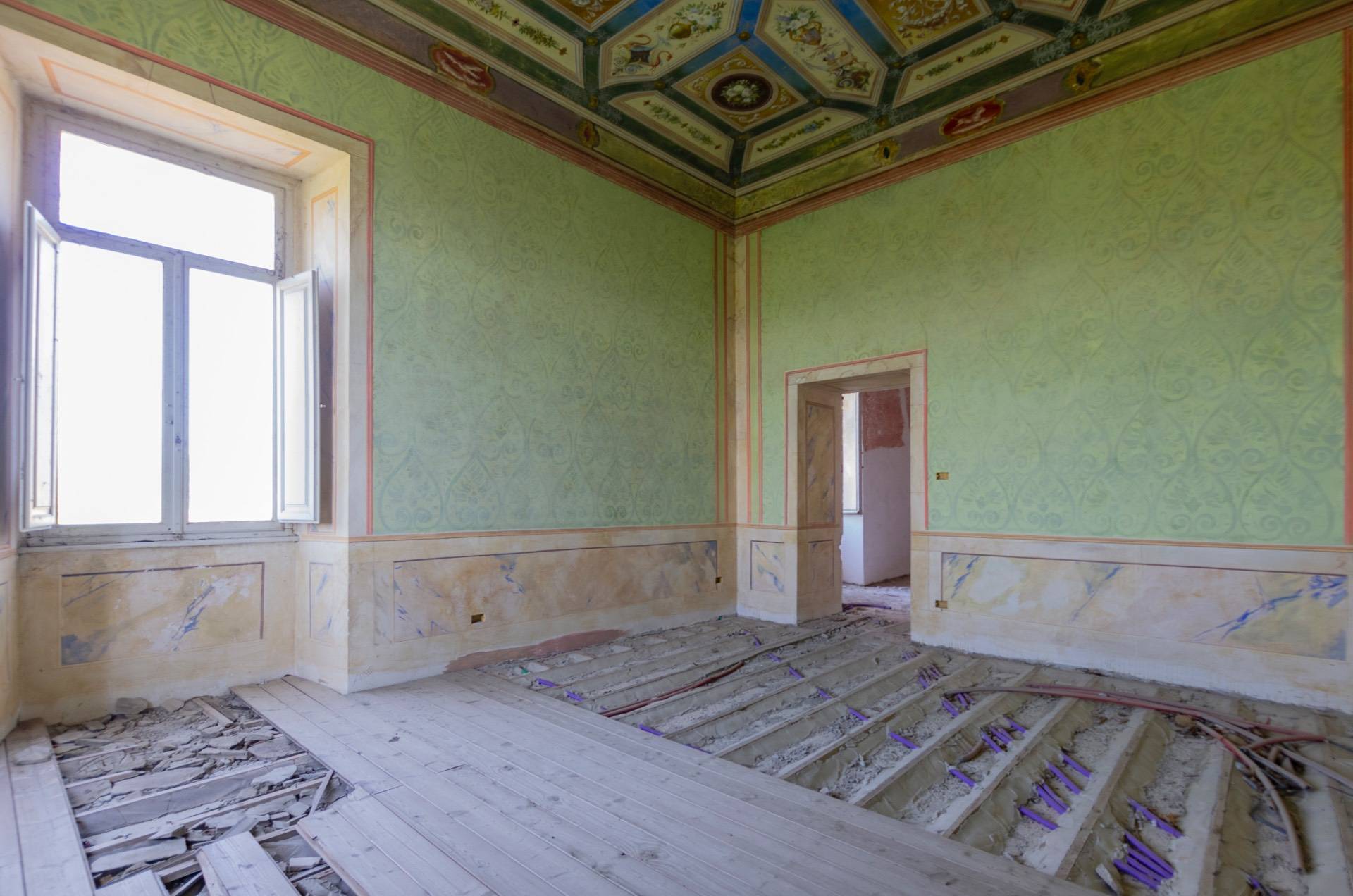
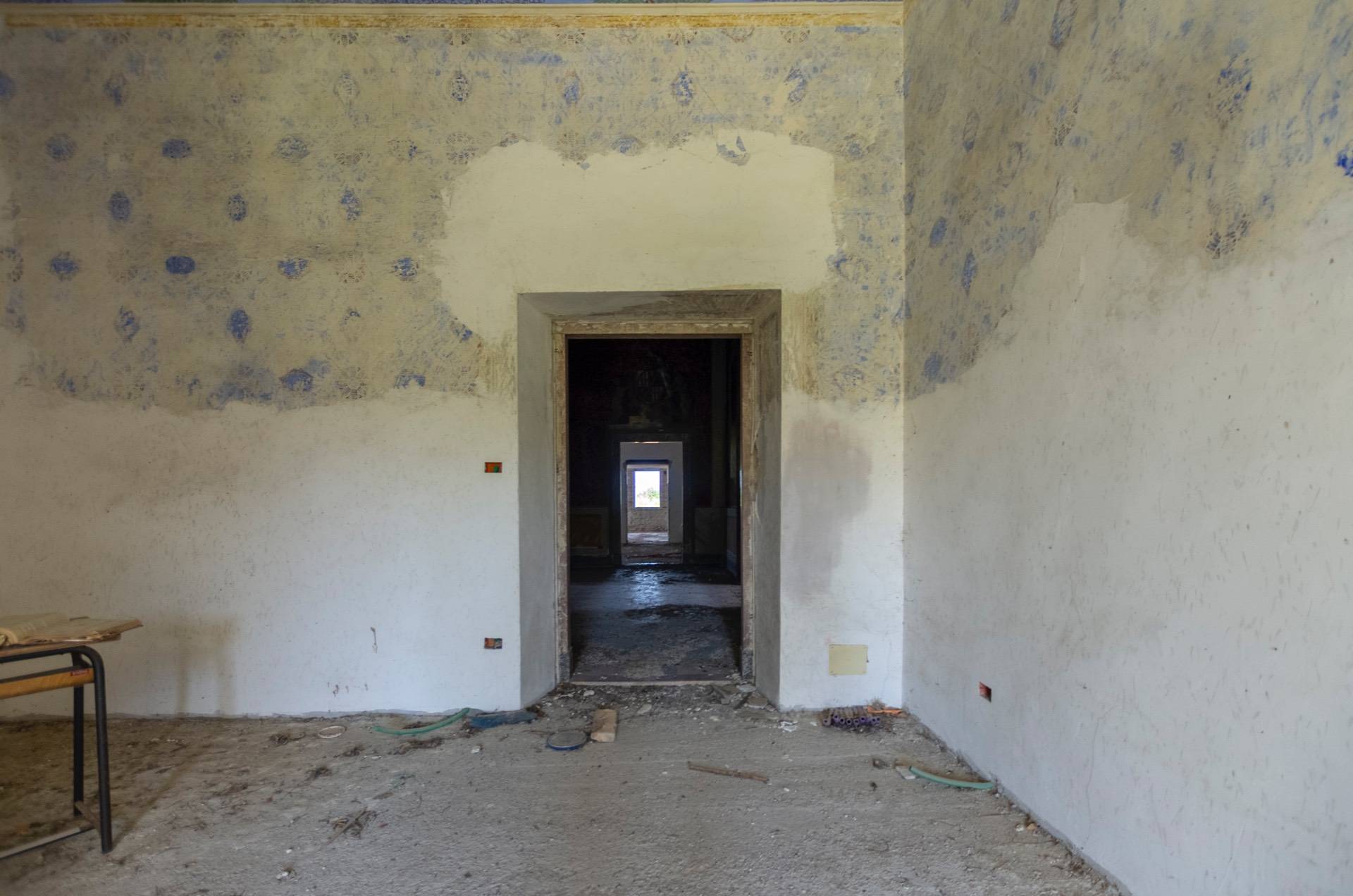
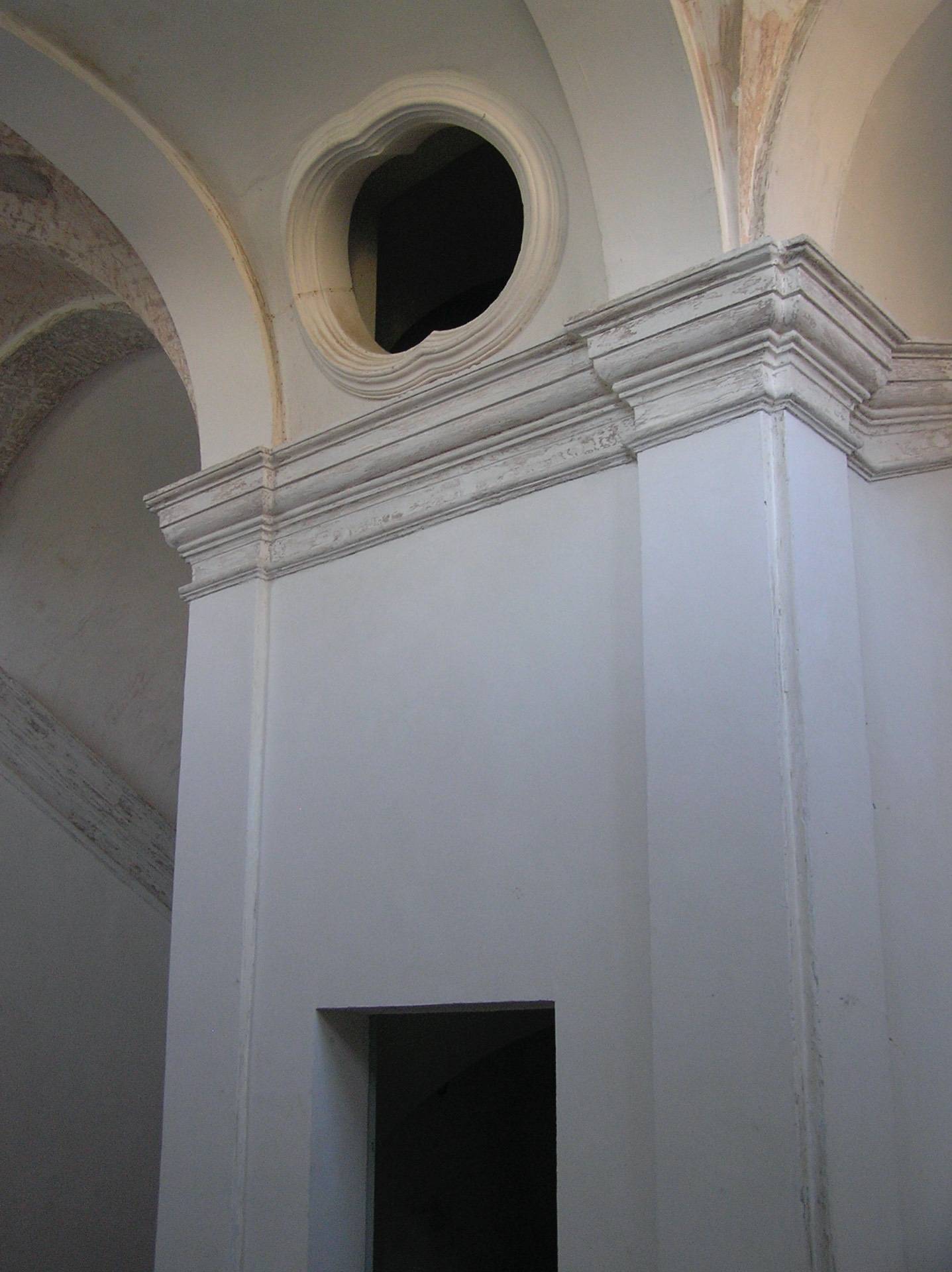
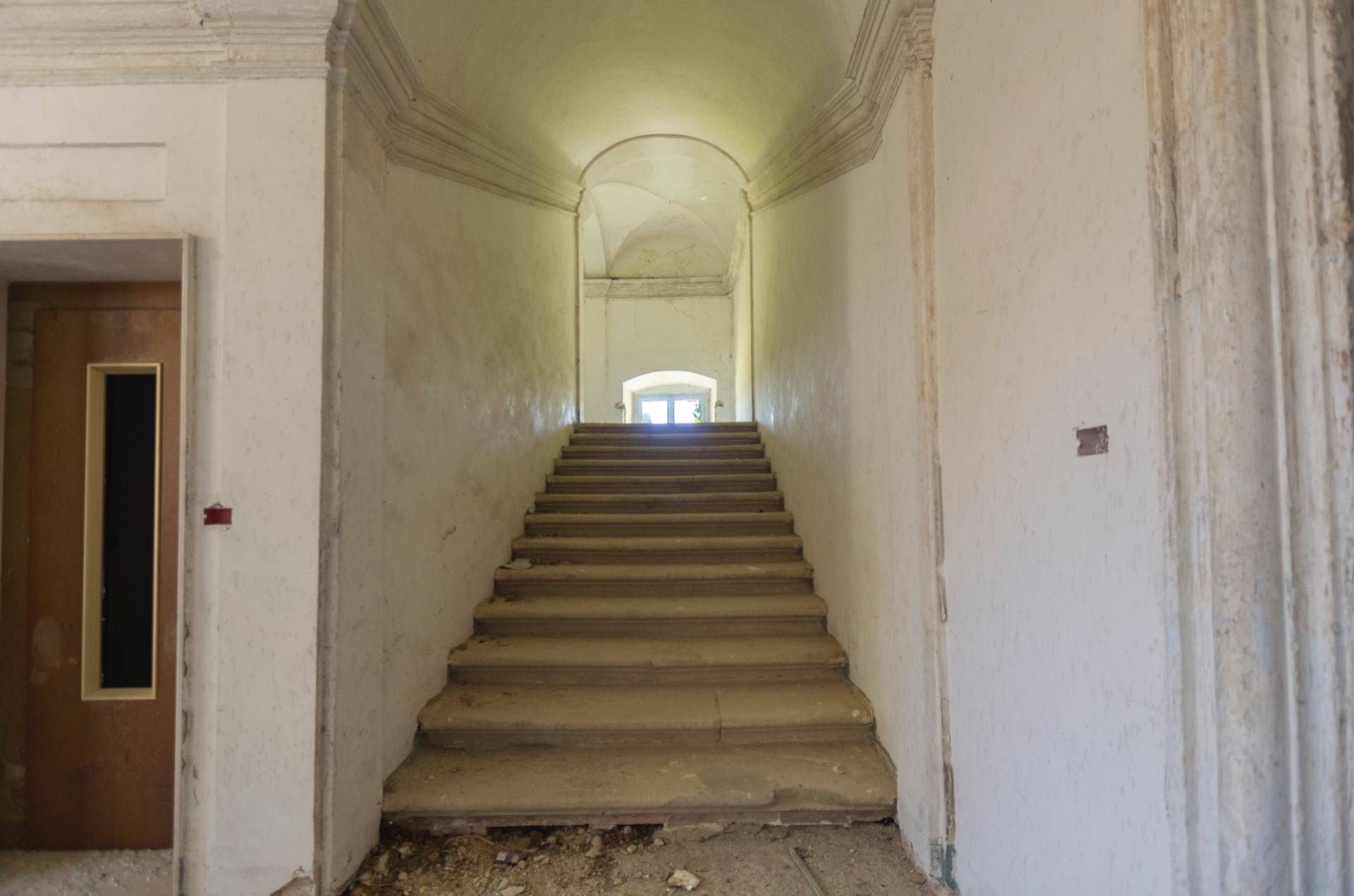
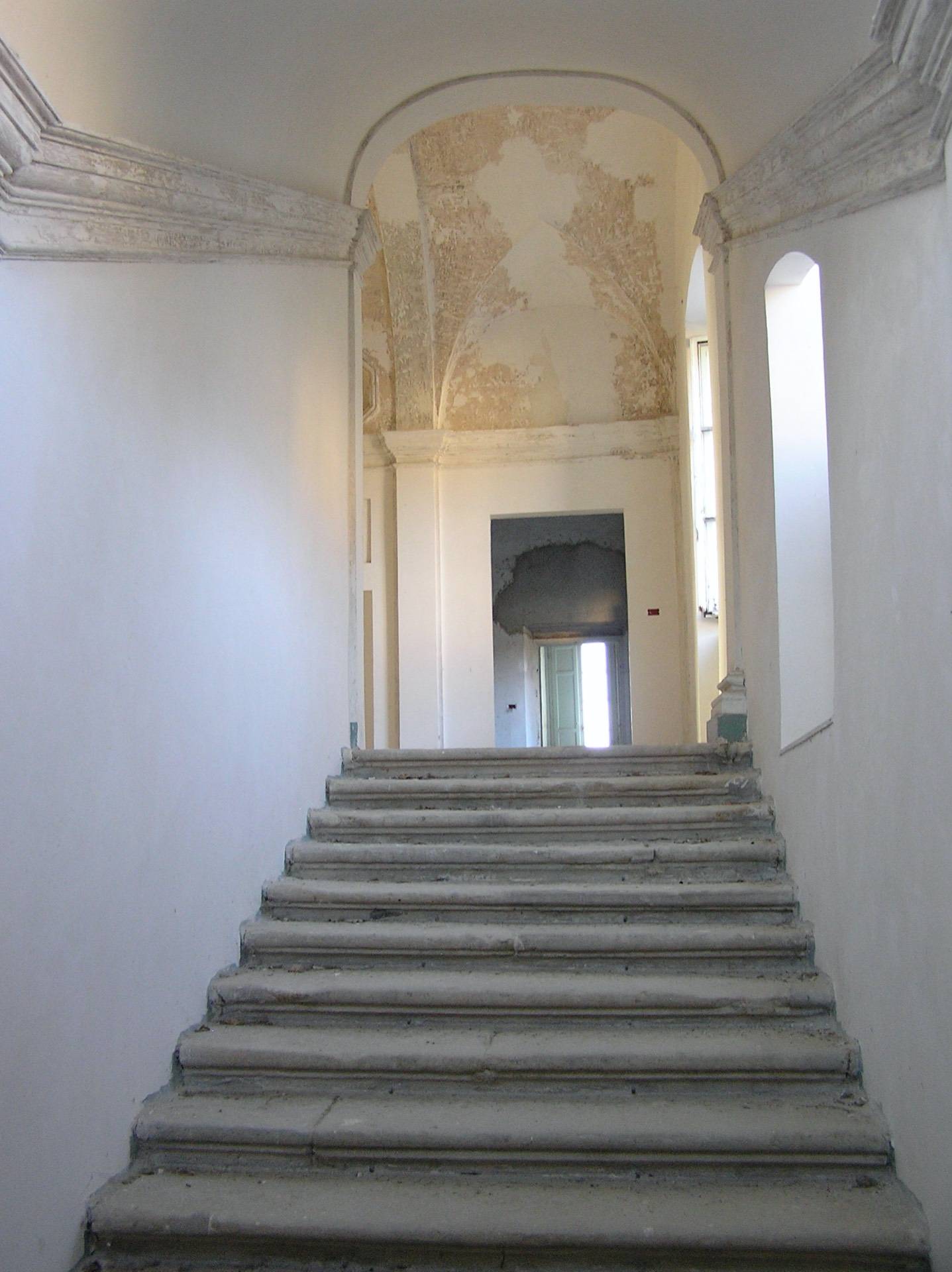
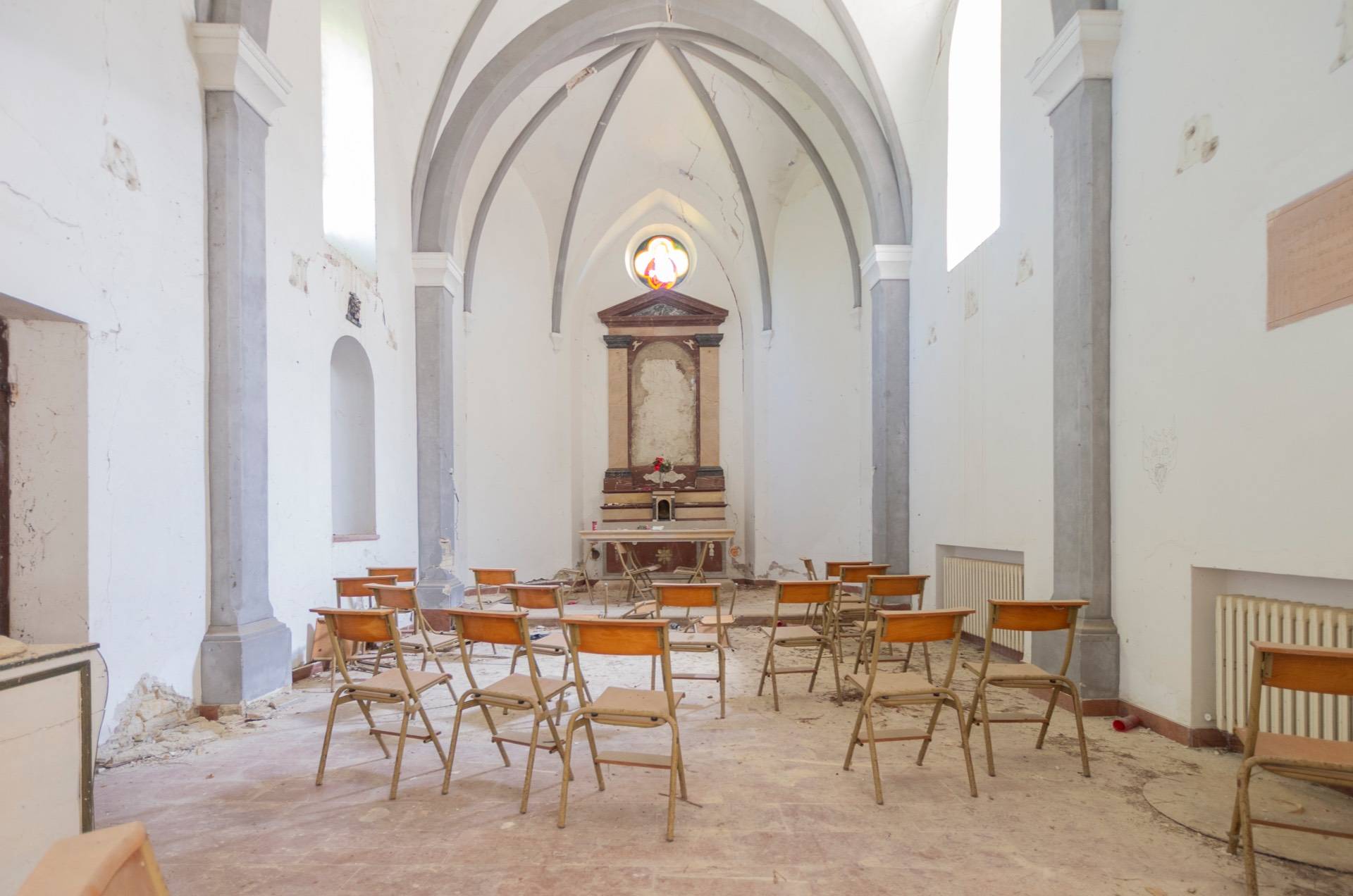
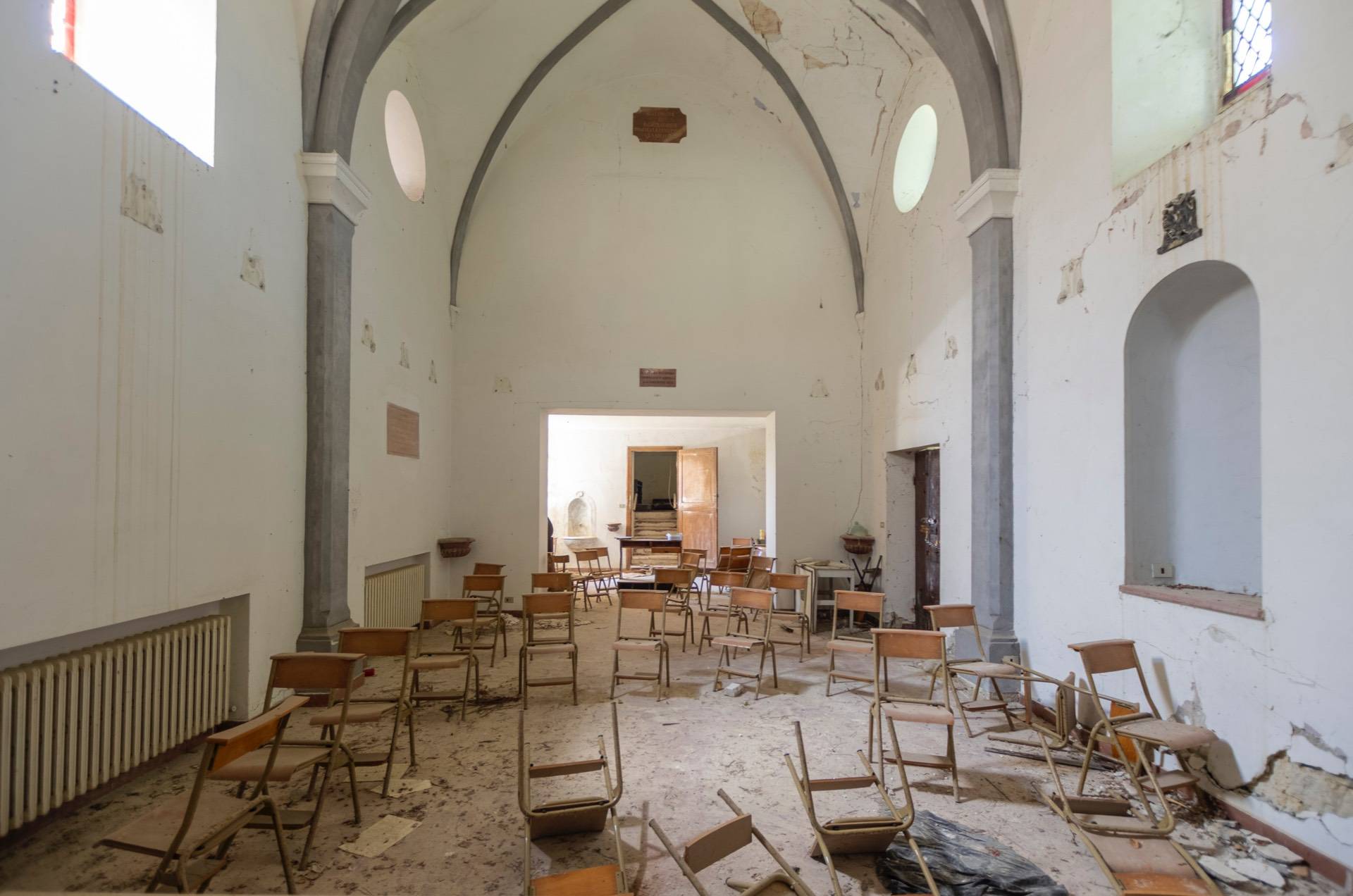
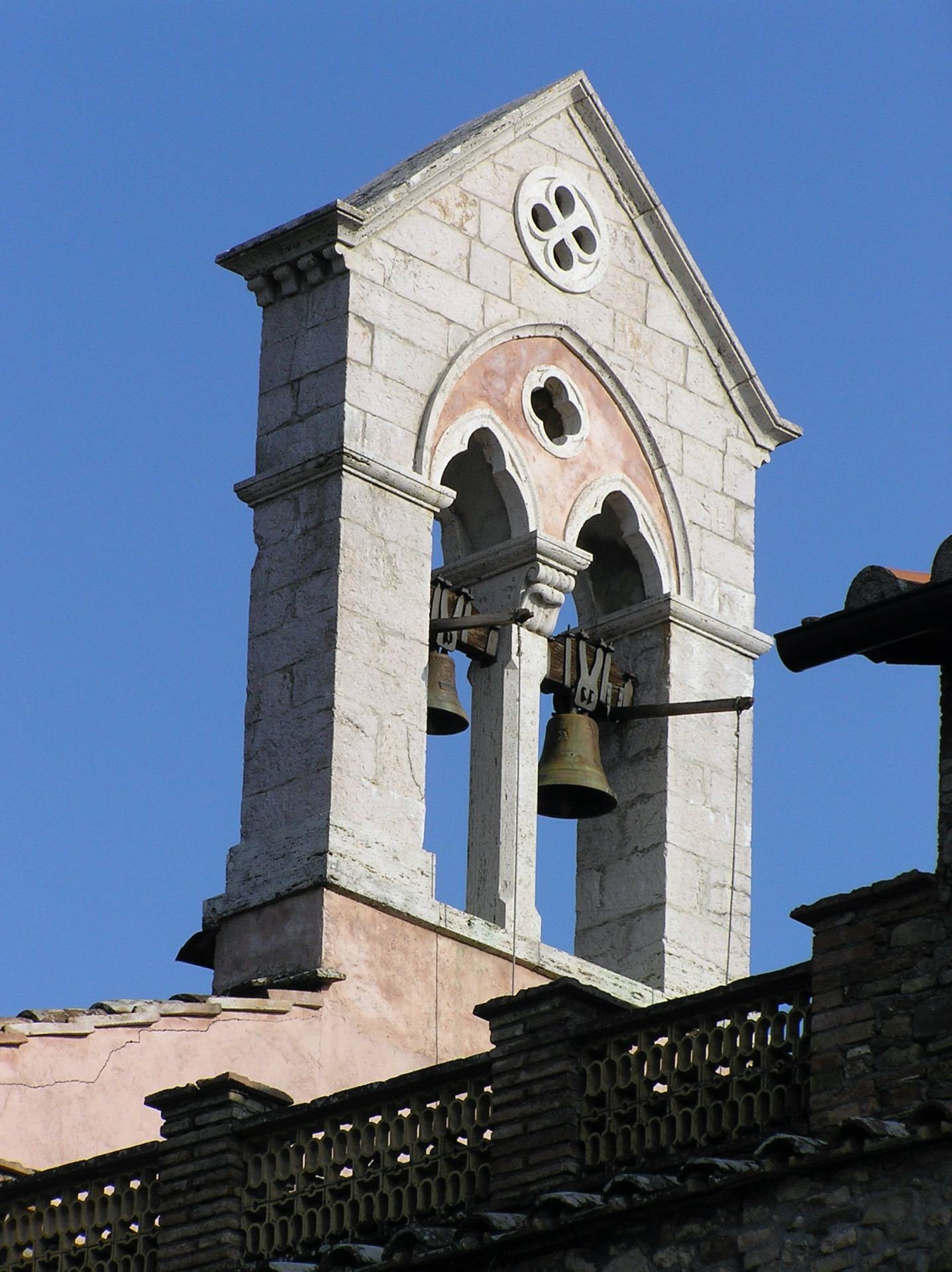
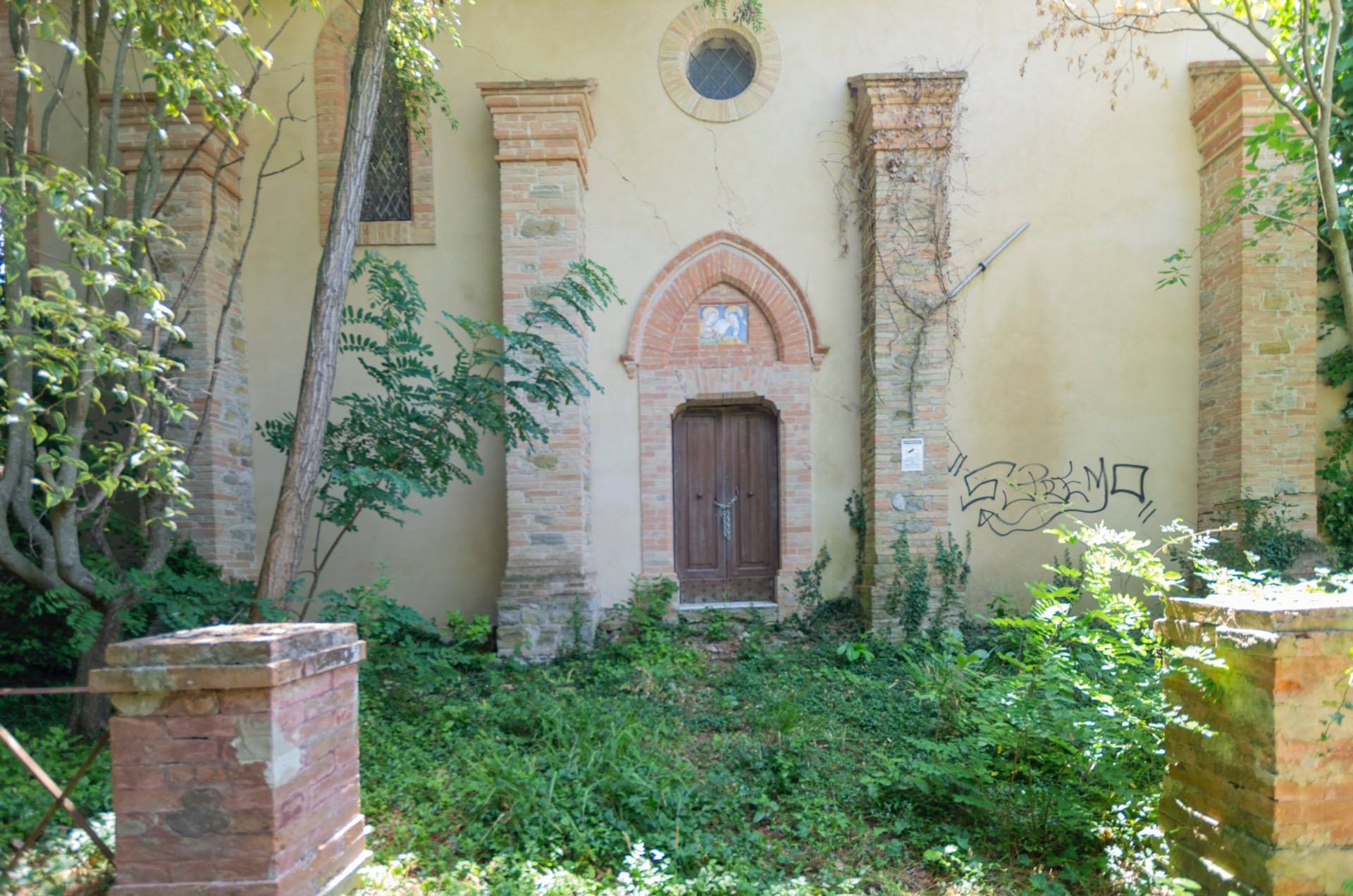
The building complex features a regular layout with frescoed walls and ceilings in all the rooms on the main floor, stuccoed fireplaces, and wide pietra serena staircases. An elevator connects the villa’s three floors, while the clock on the main façade, still in perfect working order, and the frescoed family chapel further enhance its prestige. A plaque at the entrance to the main hall commemorates the stay of Pope Leo XIII, former Bishop of Perugia under the name of Cardinal Gioacchino Pecci, a testament to the residence’s historical and religious importance in the Umbrian context of the time.
During the 19th century, Villa Lefèbvre was the scene of important events and meetings between nobles and high-ranking officials of the Papal States. The residence was not only a dwelling place, but also a strategic location for politics and diplomacy, thanks to the prestige of the Lefèbvre family and their ties to the Vatican. During this period, embellishments and expansions were carried out, giving the villa the elegant and sumptuous appearance that can still be admired today.
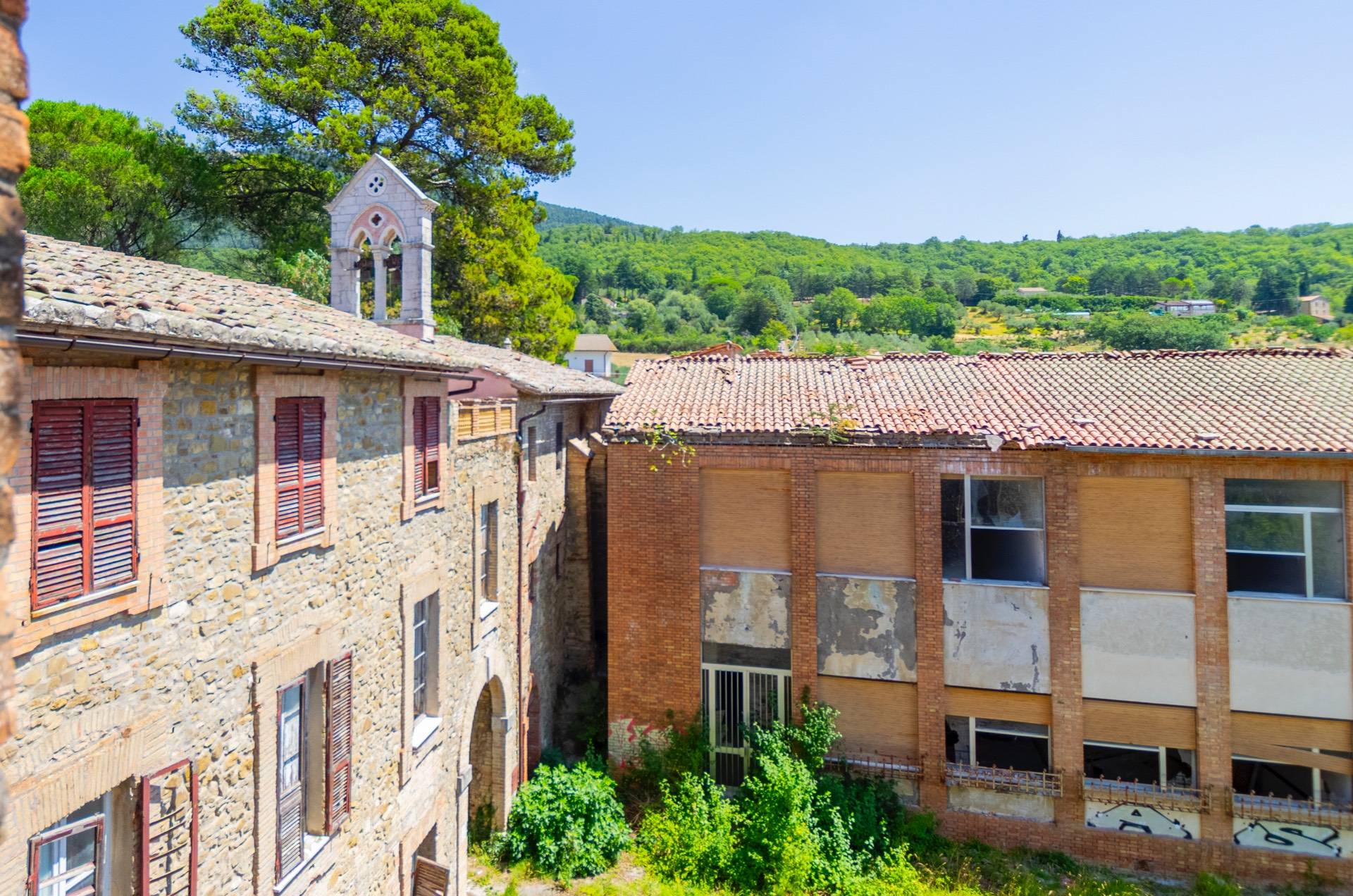
Over the course of the twentieth century, the villa underwent several transformations. Around 1950, Countess Lefèbvre, from a noble Belgian family, donated the property to Monsignor Giuseppe Cirenei for the creation of a rehabilitation center for children affected by polio. In 1956, the priest established a national referral center for rehabilitation from the disease, transforming the villa from a noble residence into a health care institution. The structure was further expanded to house elementary, middle, and high schools, making the complex a highly significant education and healthcare center. The institution attracted the attention of doctors and specialists from across Italy, becoming an innovative model for the care and education of children affected by polio.
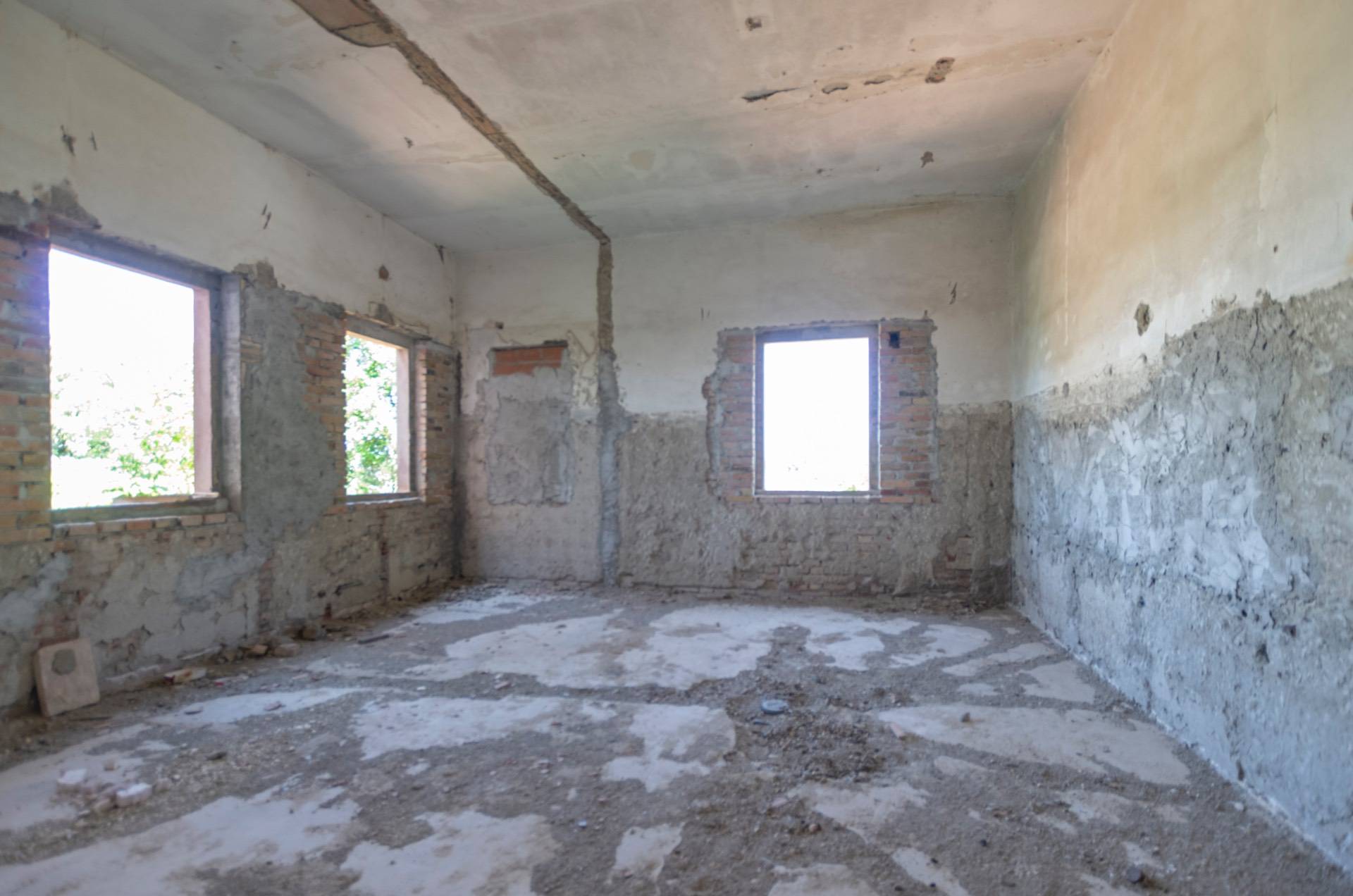
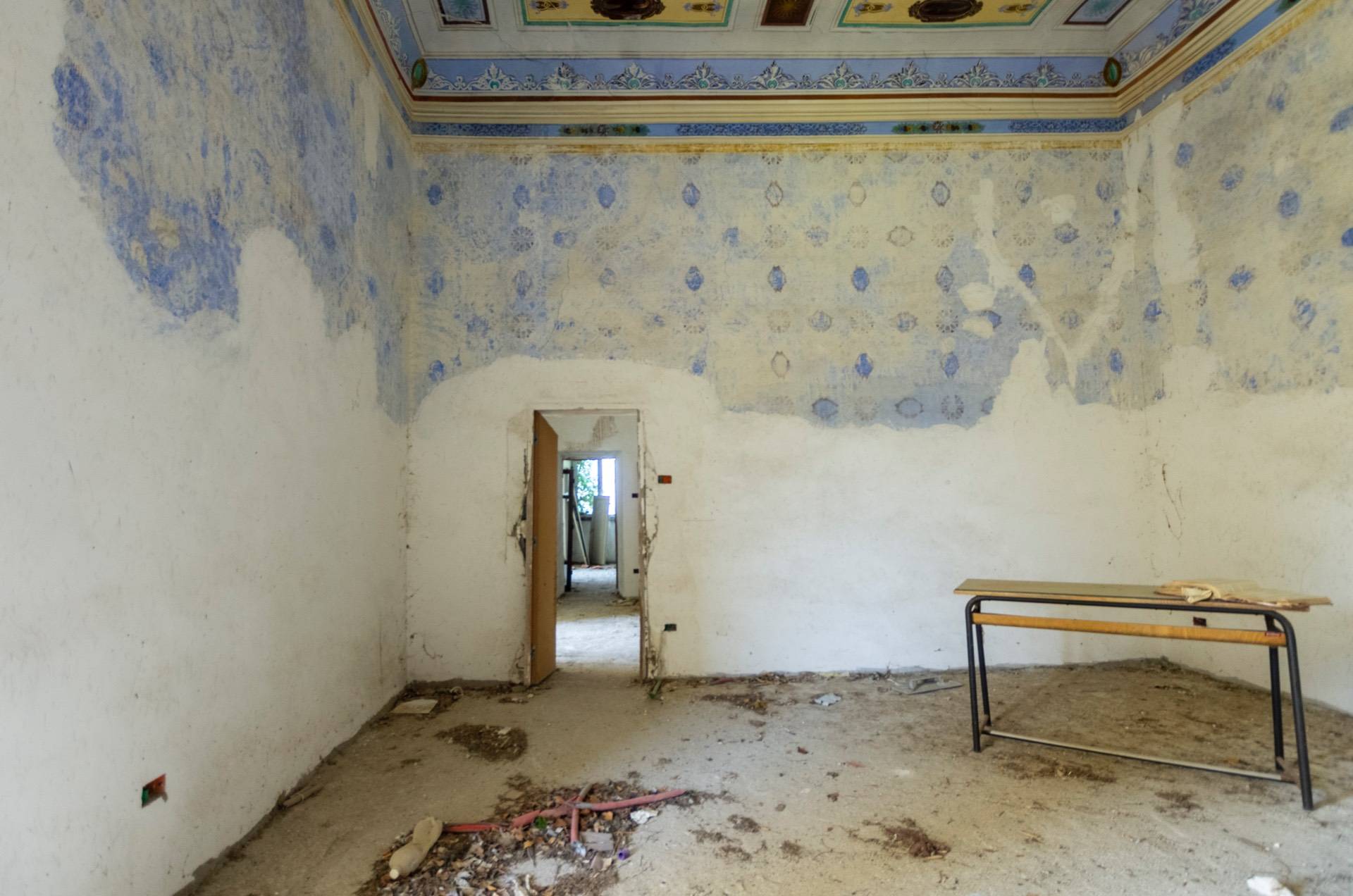
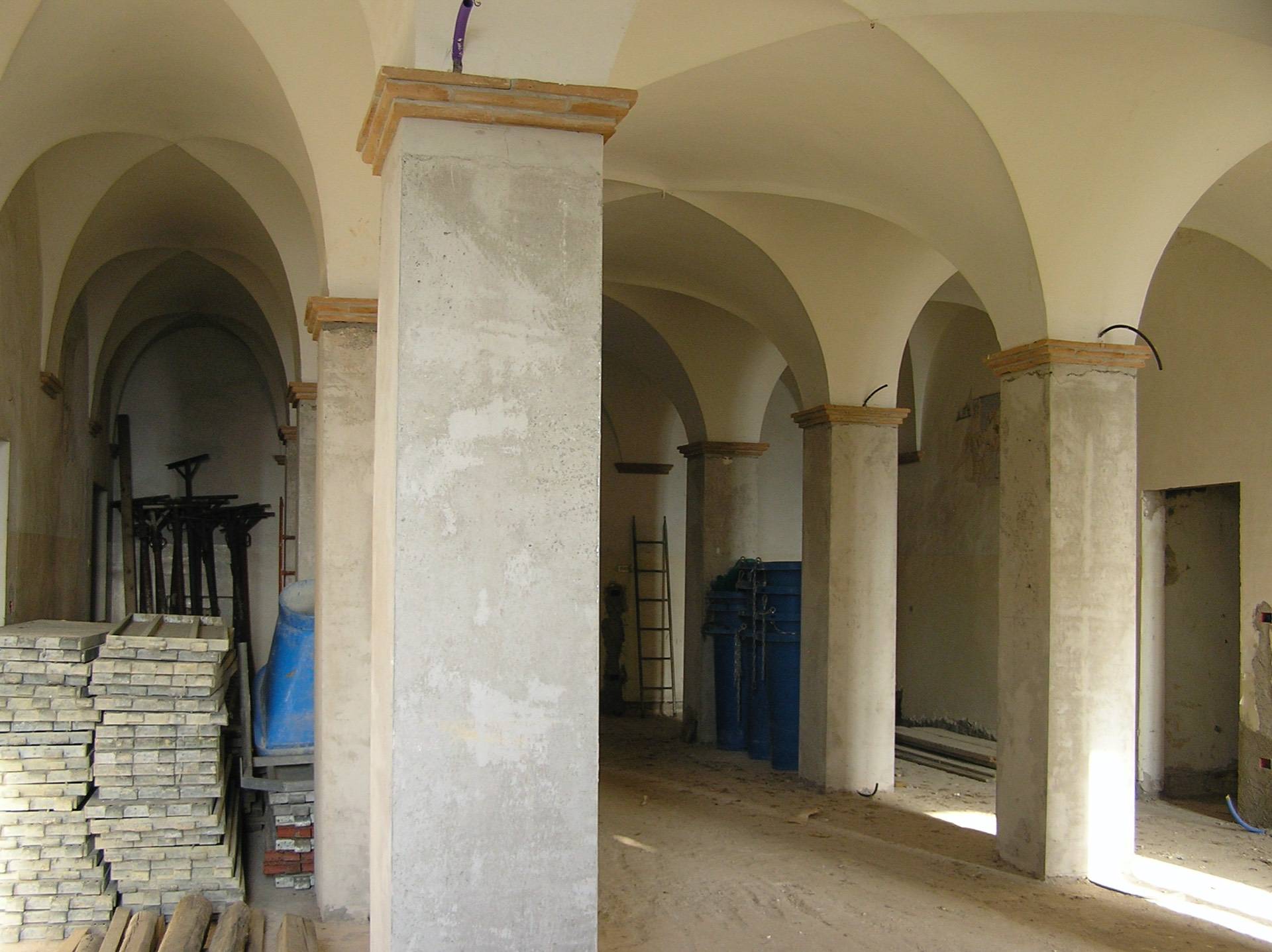
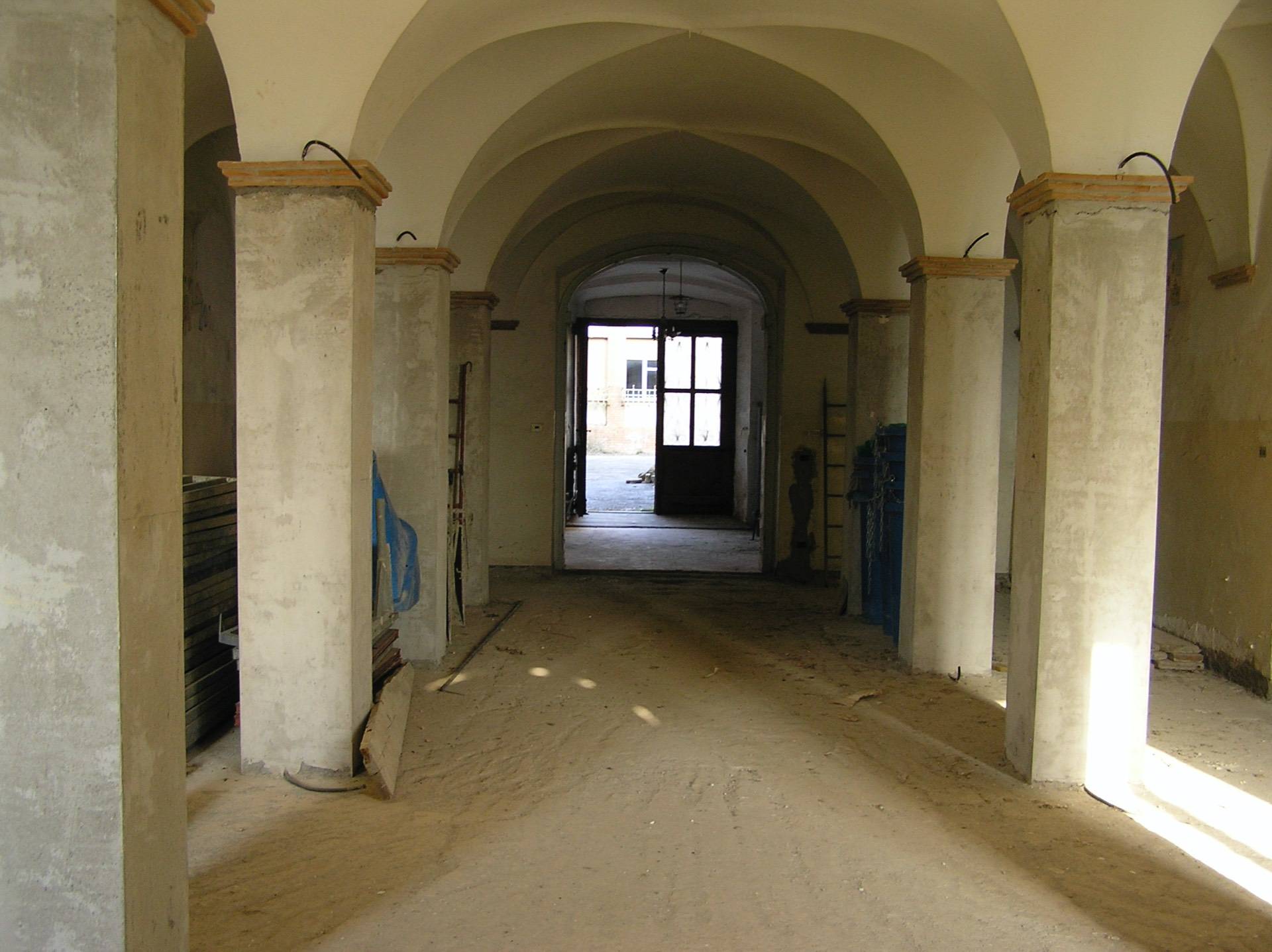
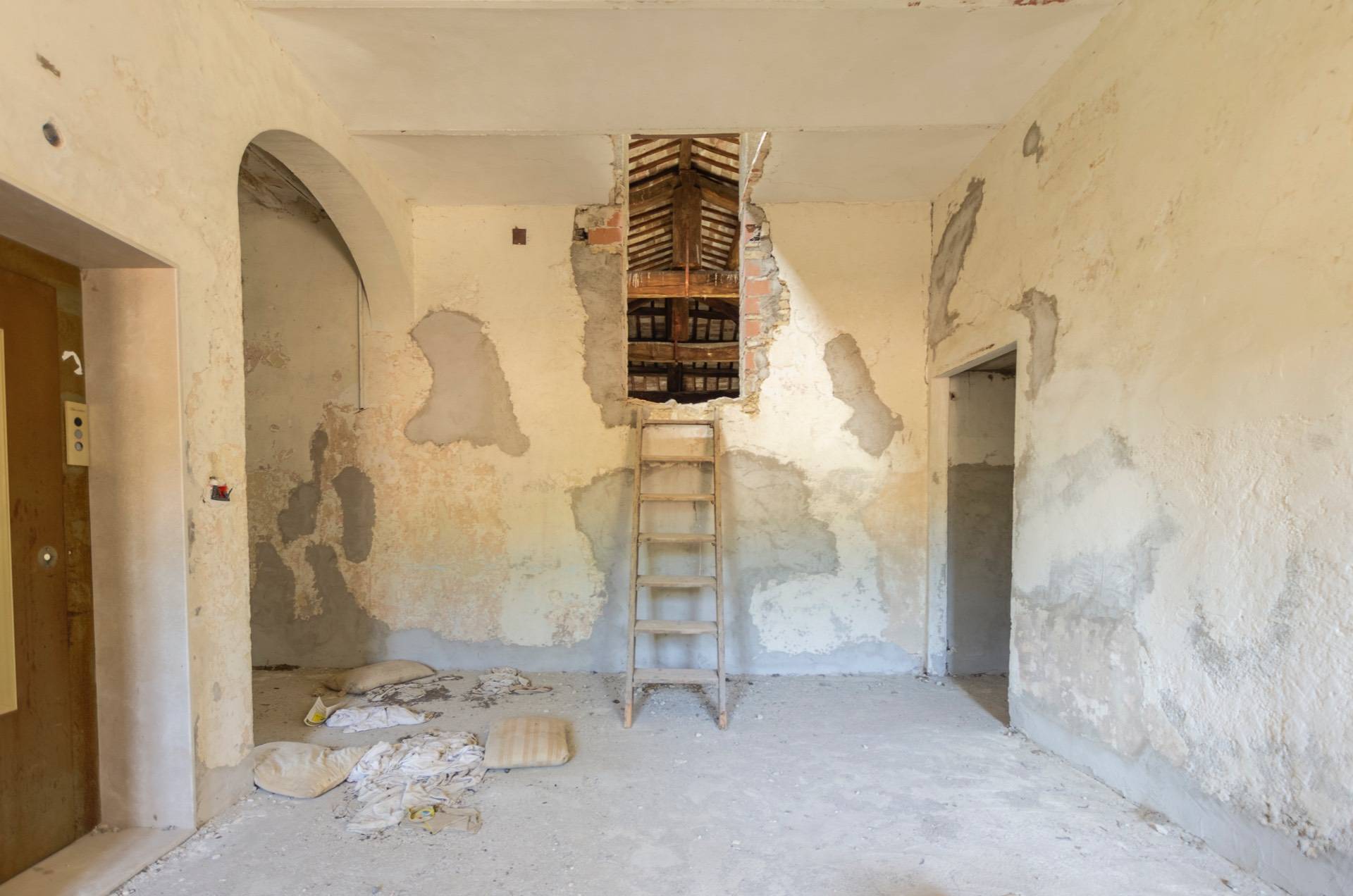
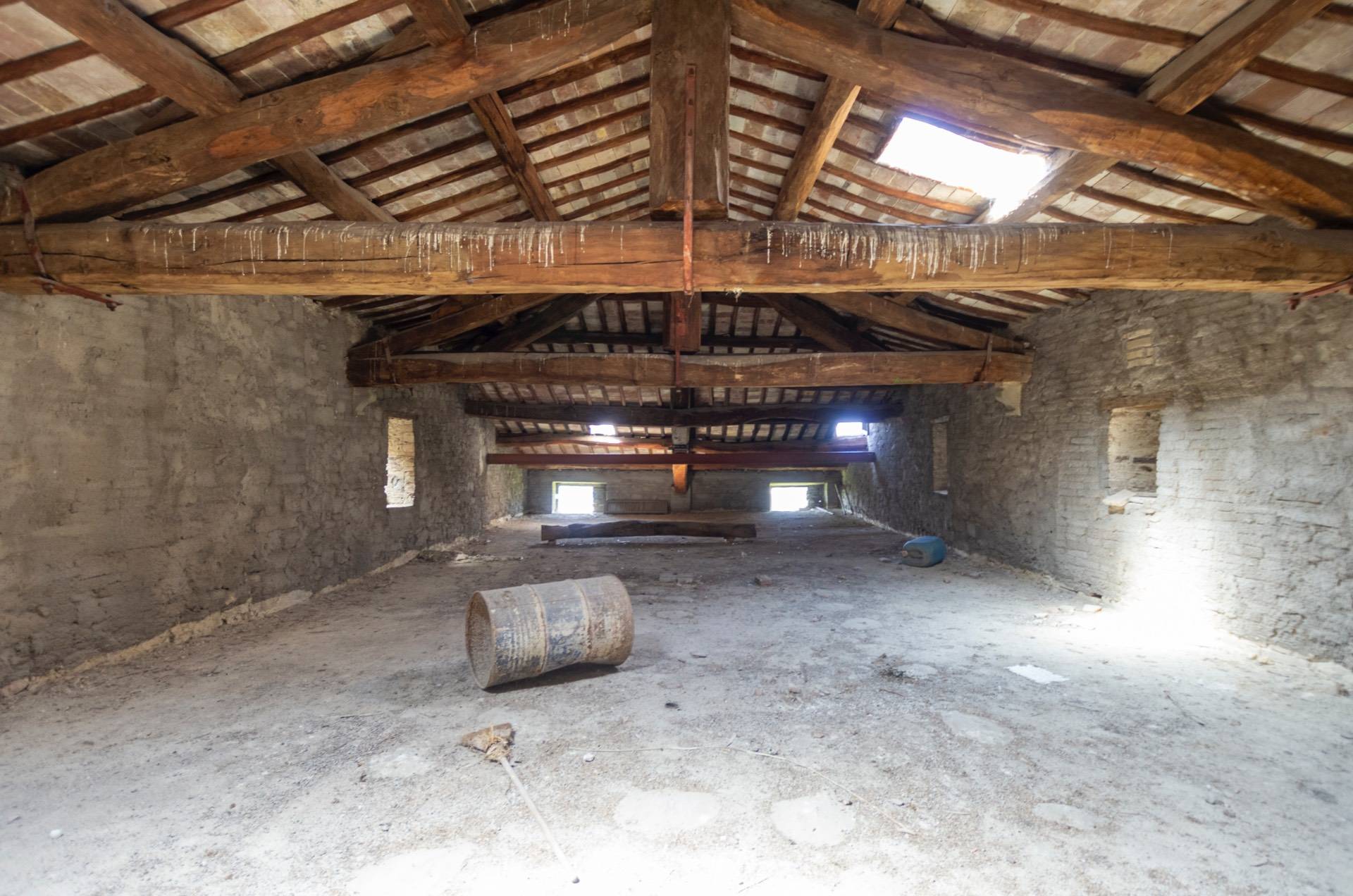
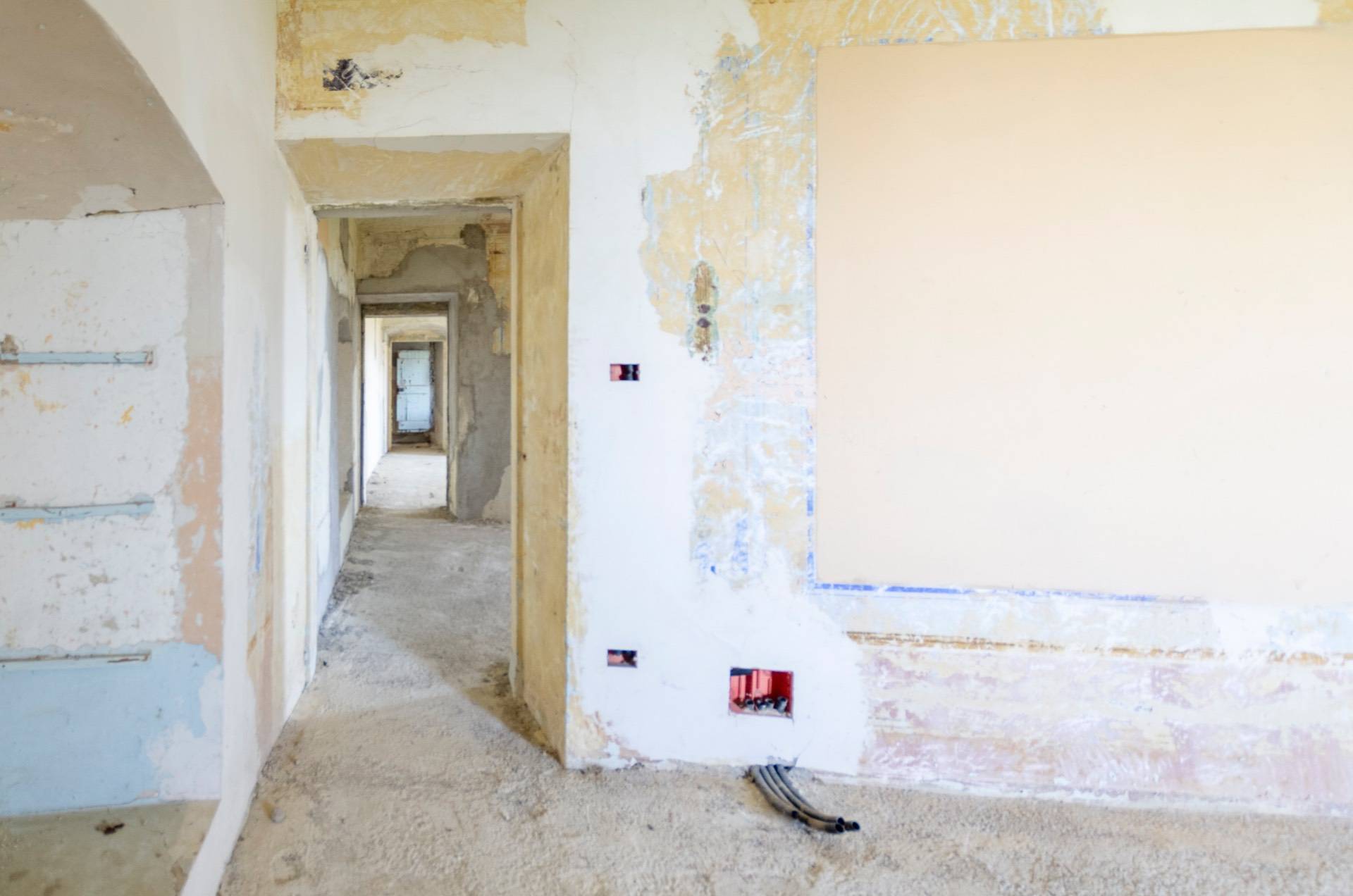
Between 1999 and 2001, the villa underwent major renovations, including the consolidation of the attics, stair vaults, and window lintels, as well as a complete roof replacement. While these works ensured the preservation of the structure, the complex has suffered from the ravages of time and requires further work to preserve its extraordinary historical and architectural value.
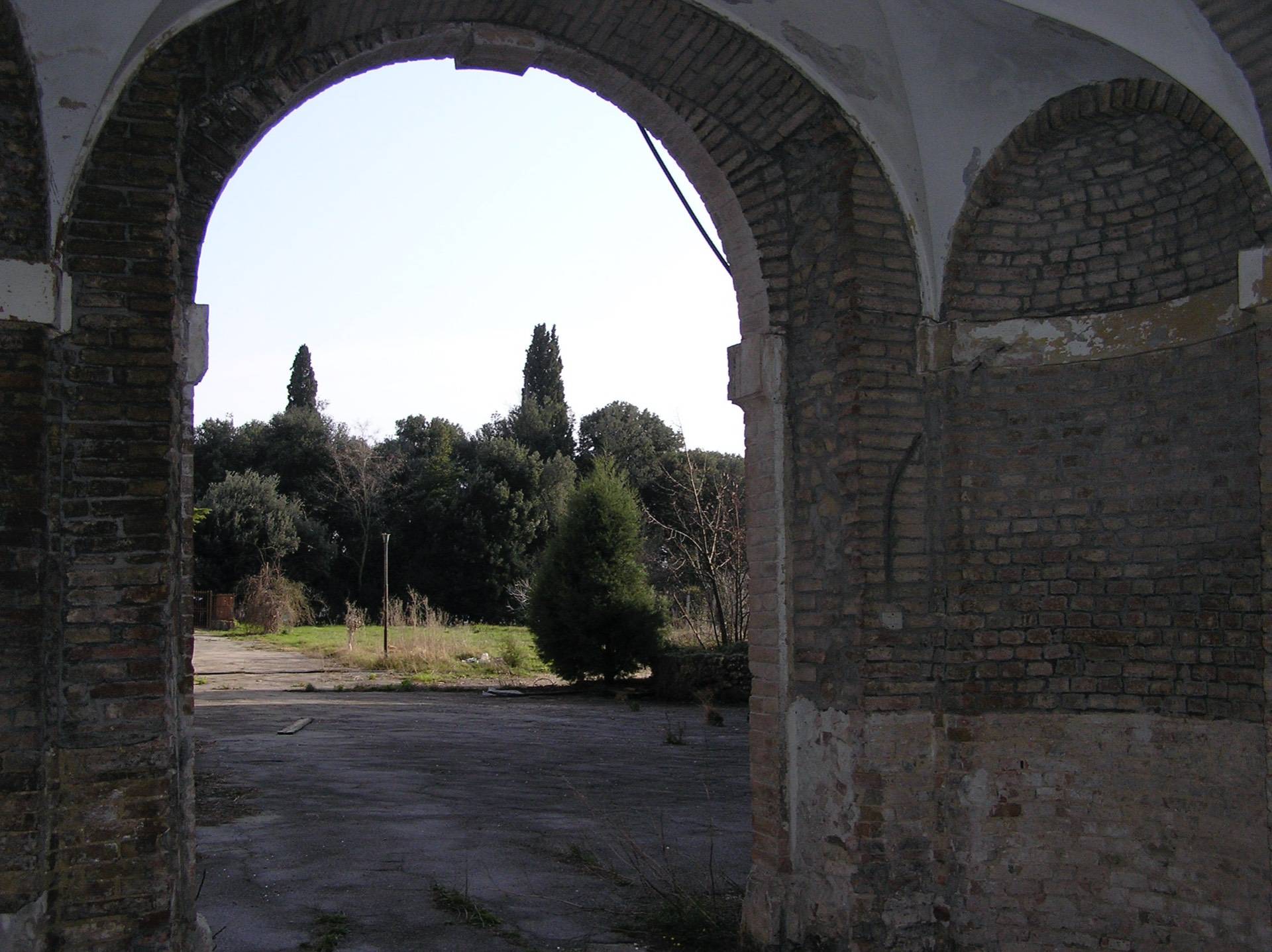
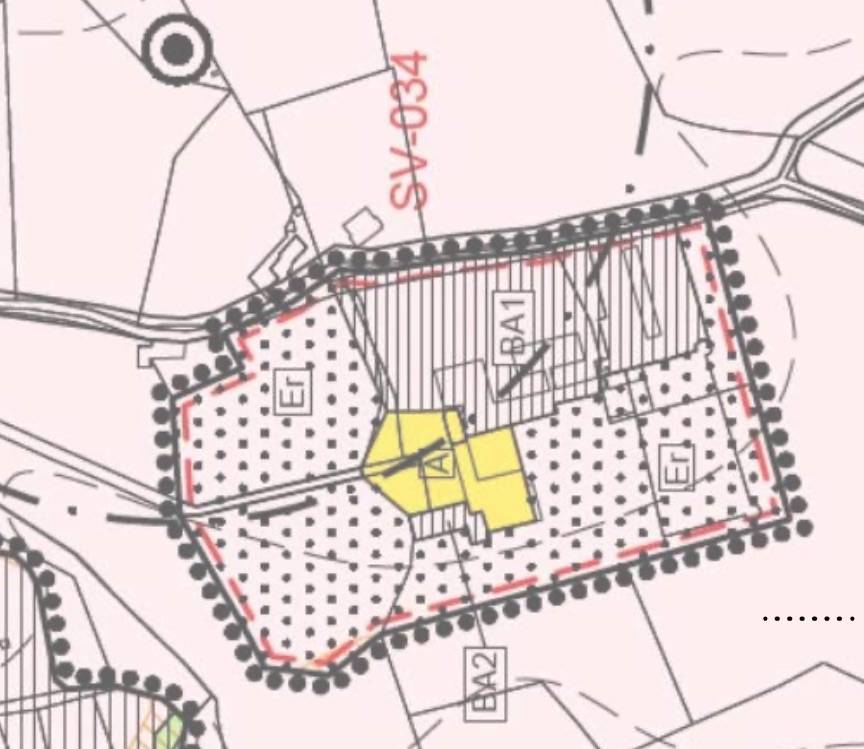
Over time, the complex was expanded with structures designed for special hospitality purposes, including approximately 3,000 square meters of annexes. Although these buildings feature poor architectural and construction quality, they can now be recovered to a total volume of 15,000 cubic meters. This expansion, if properly enhanced, could allow for further development of the villa as a hospitality facility or cultural center.
Villa Lefèbvre has been a meeting point between history, culture, and social work. Its transformation from a noble residence to a rehabilitation and training center reflects the evolving needs of Umbrian society over the centuries. Its historical and architectural heritage makes it a place of extraordinary value, witness to centuries of change and adaptation. Its history, marked by moments of great splendor and periods of transformation, establishes it as one of the most important testimonies to the evolution of Perugian society between the 16th and 20th centuries.
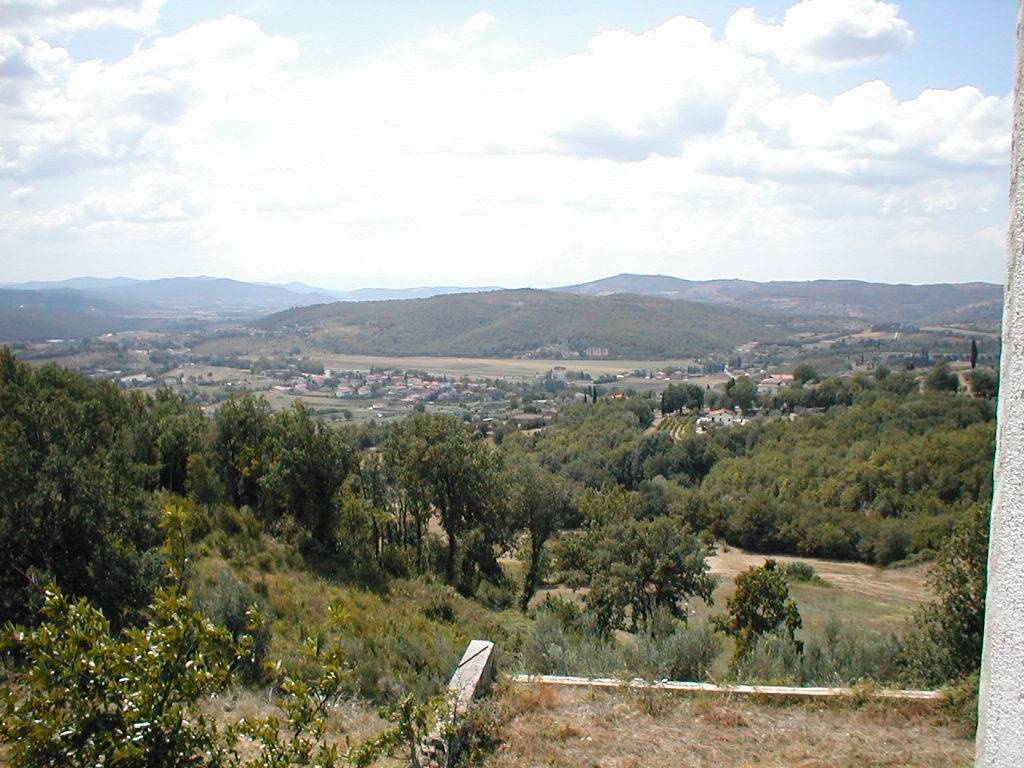
The villa occupies a strategic location in the heart of Umbria, making it an ideal starting point for exploring Central Italy. Situated between Tuscany, Lazio, and Marche, the city is within easy reach of iconic destinations such as Florence, Rome, and Assisi. Not to be missed is the historical and cultural heritage of Perugia, located nearby. Its medieval streets, majestic Piazza IV Novembre, and the National Gallery of Umbria offer a unique experience to visitors.
For sports and golf enthusiasts, the location is even more appealing thanks to its proximity to the Antognolla Golf Club, one of Italy’s most prestigious golf courses. Nestled in the Umbrian hills, this championship course is renowned for its spectacular design and the technical challenge it offers golfers of all levels. The exclusive setting, with a medieval castle as a backdrop, guarantees a unique experience, blending sport and nature.
Furthermore, the quality of life, mild climate, and excellent food and wine make Umbria a perfect destination for both tourism and those seeking outdoor activities. Therefore, whether you’re looking for a cultural trip or an active holiday, it’s an enviable option.