TUSCANY – GROSSETO – SORANO – SOVANA
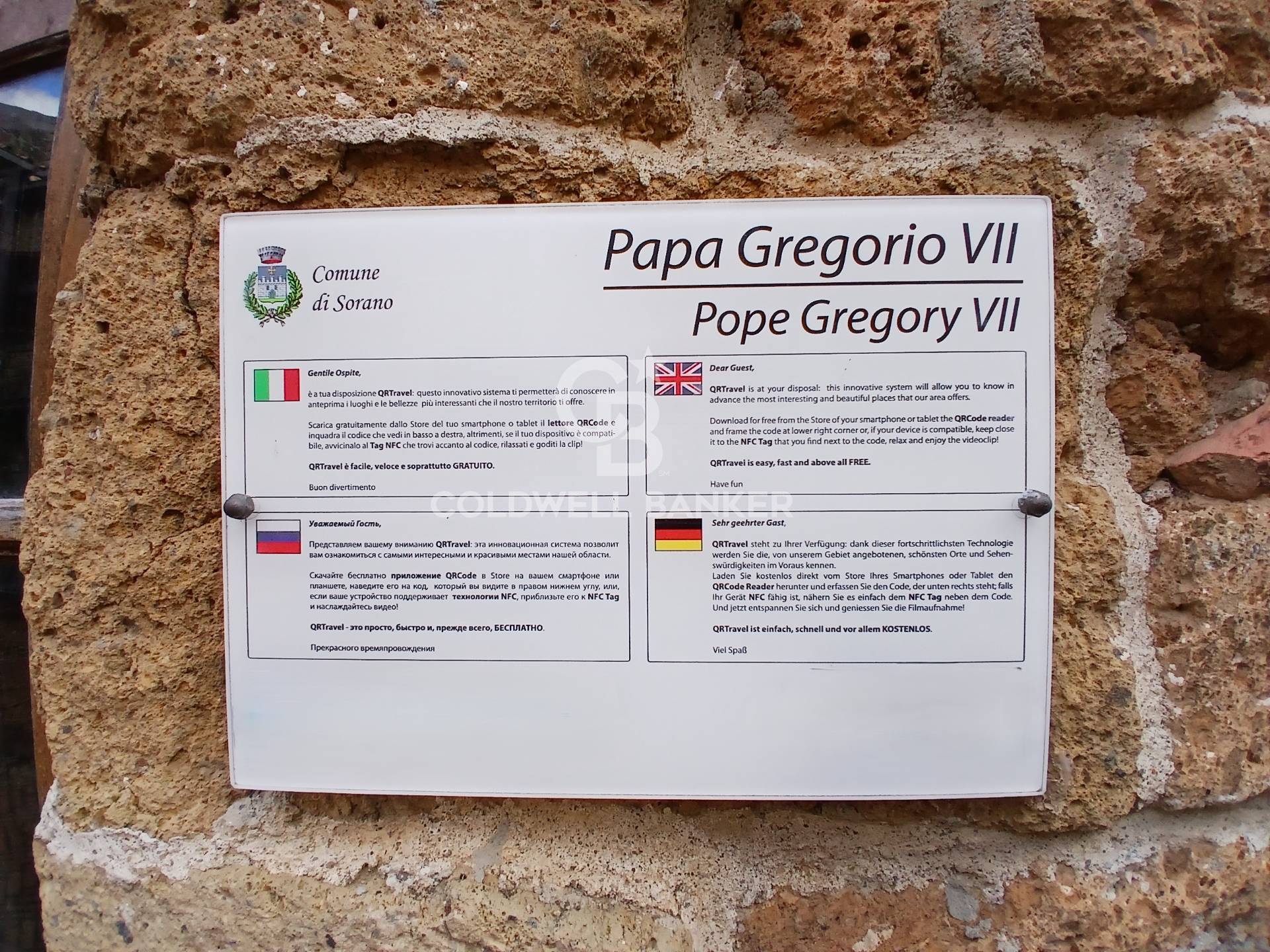
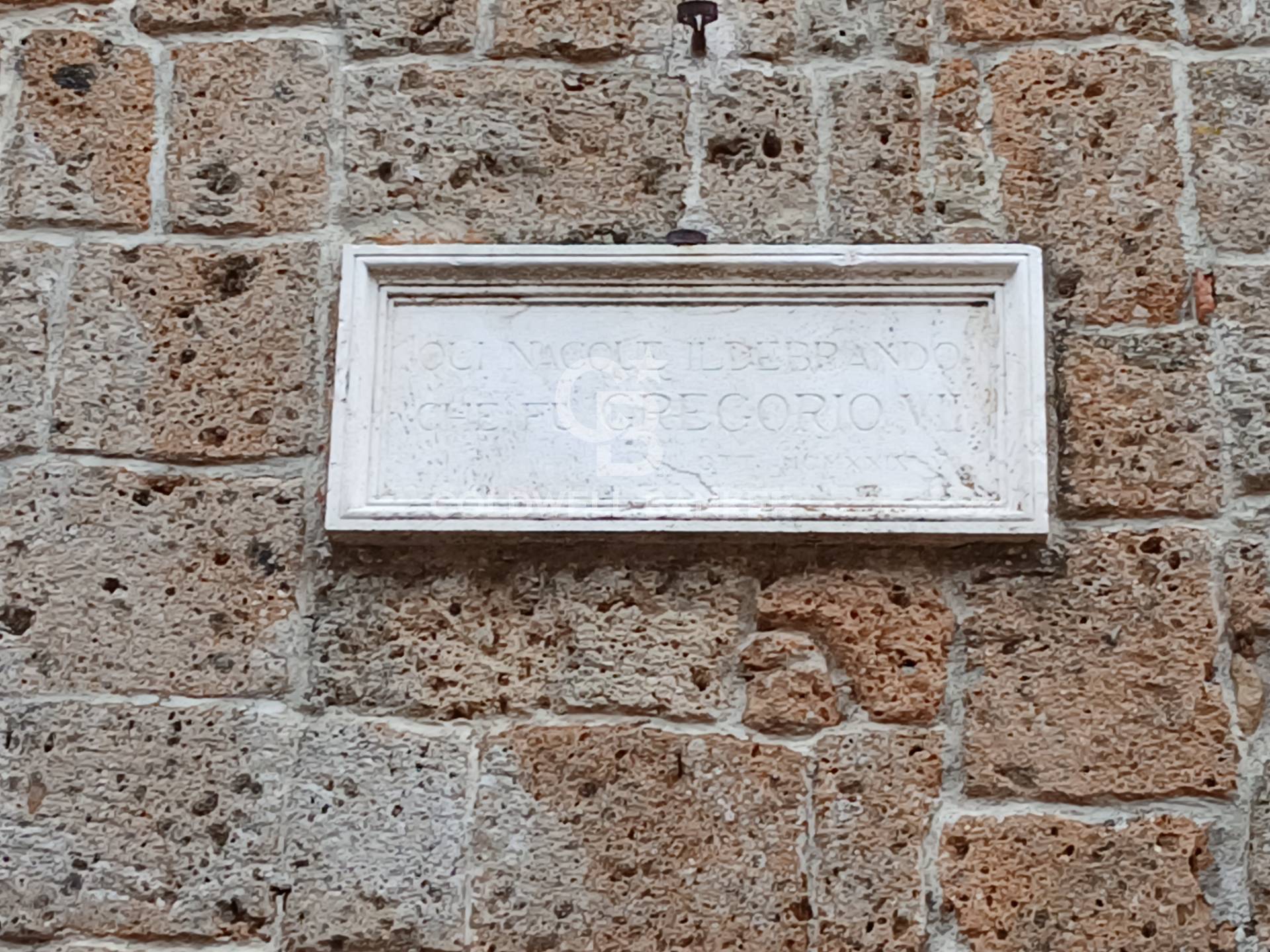
BIRTHPLACE OF POPE GREGORY VII
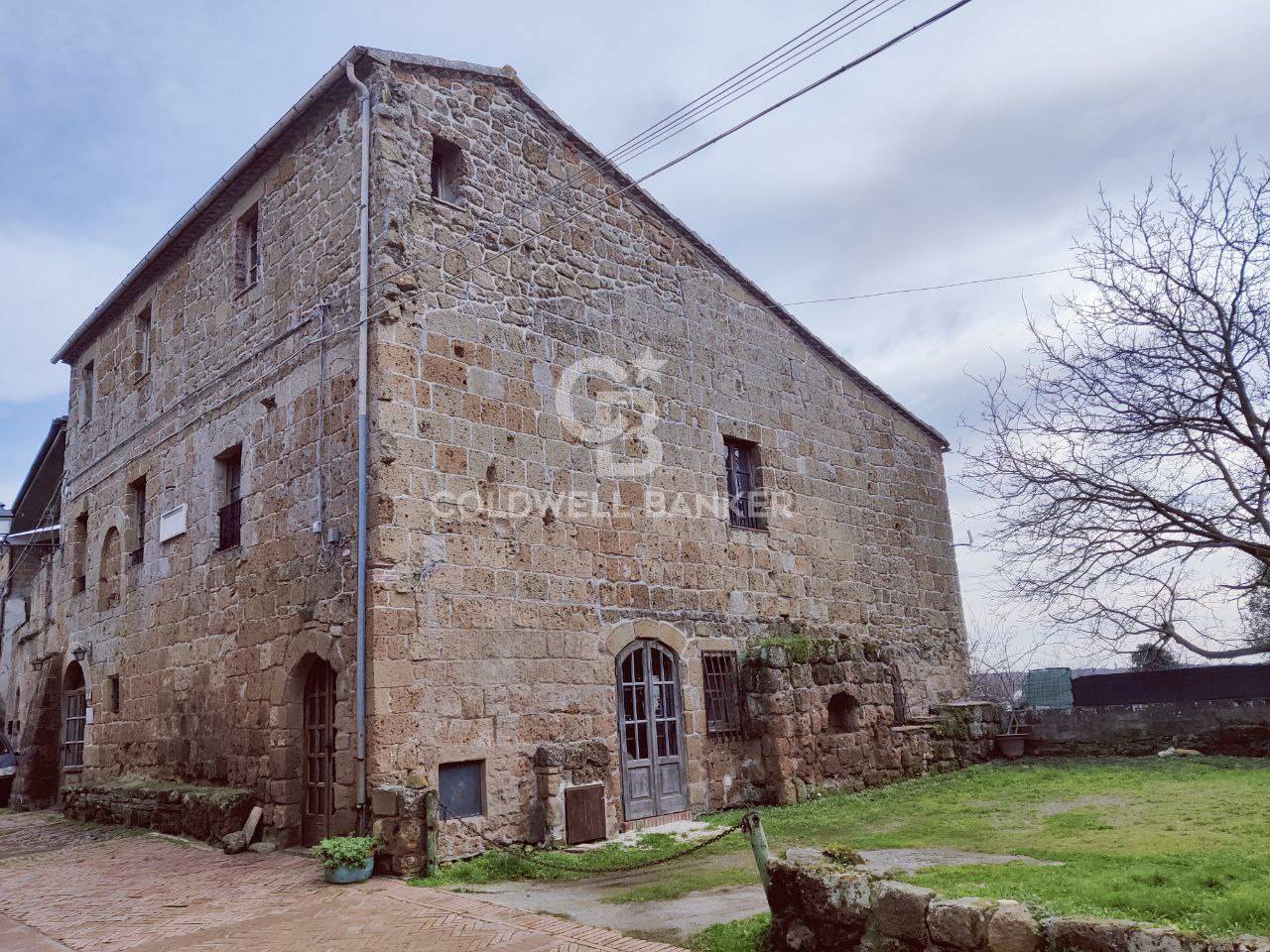
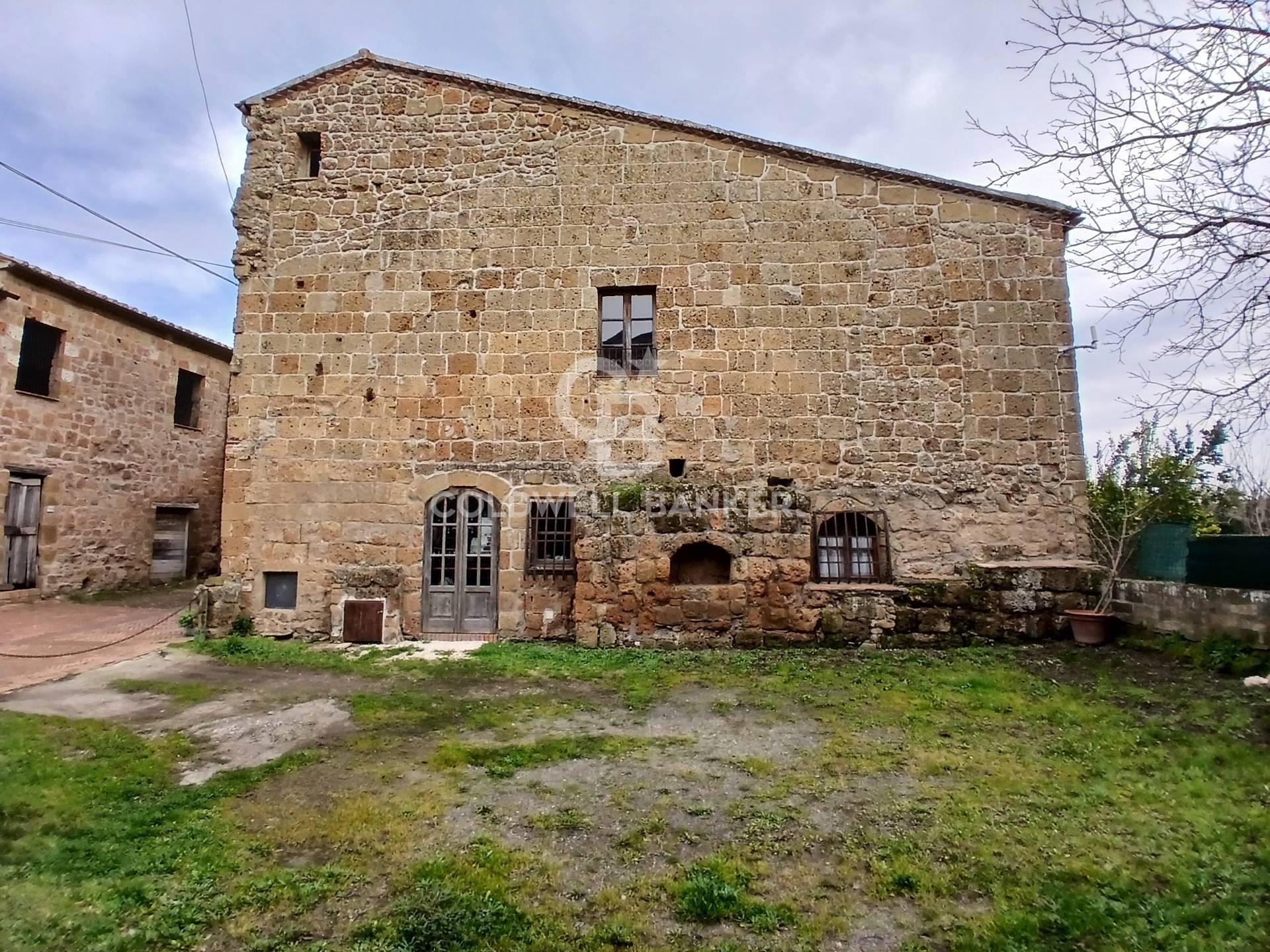
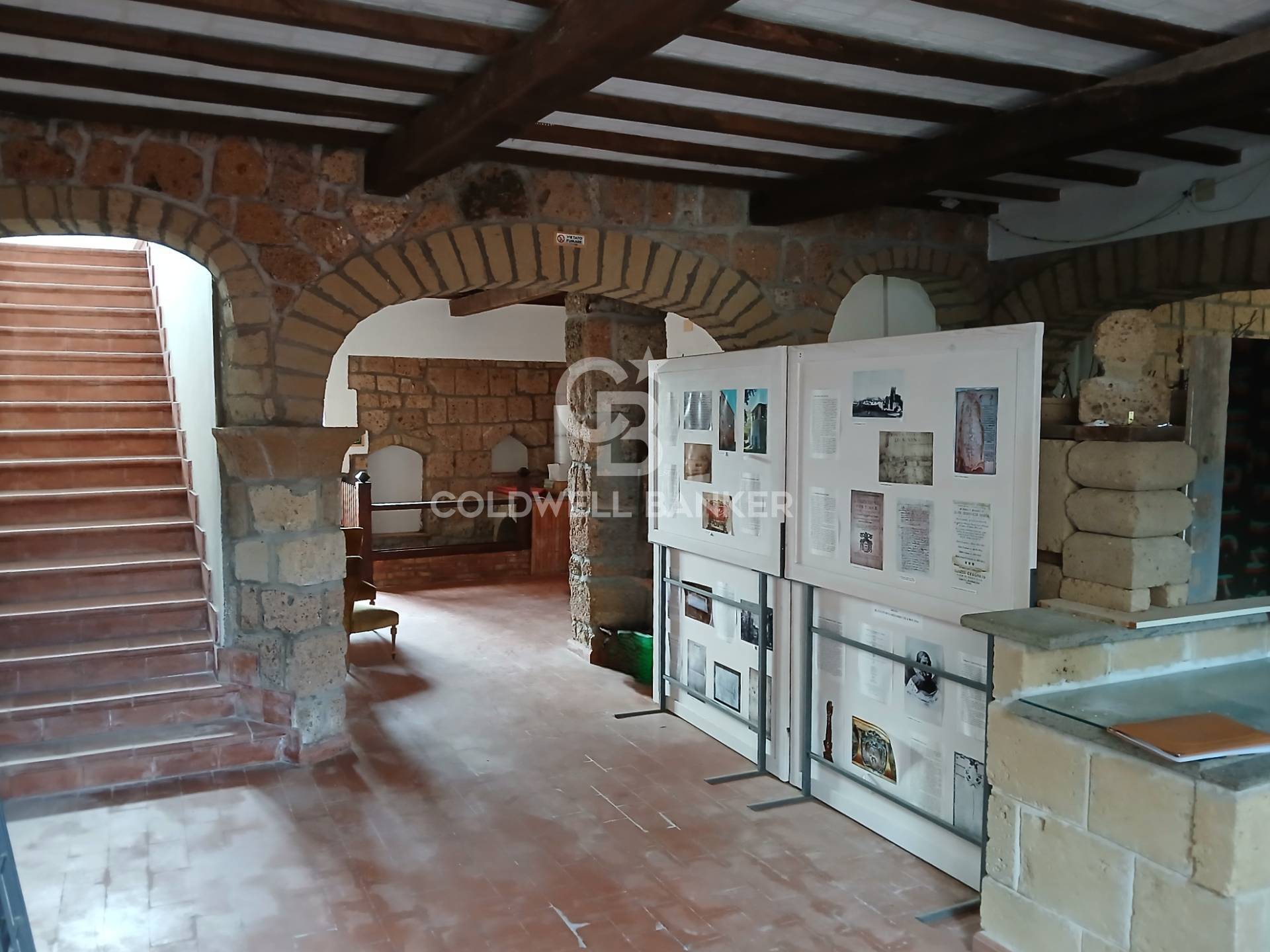
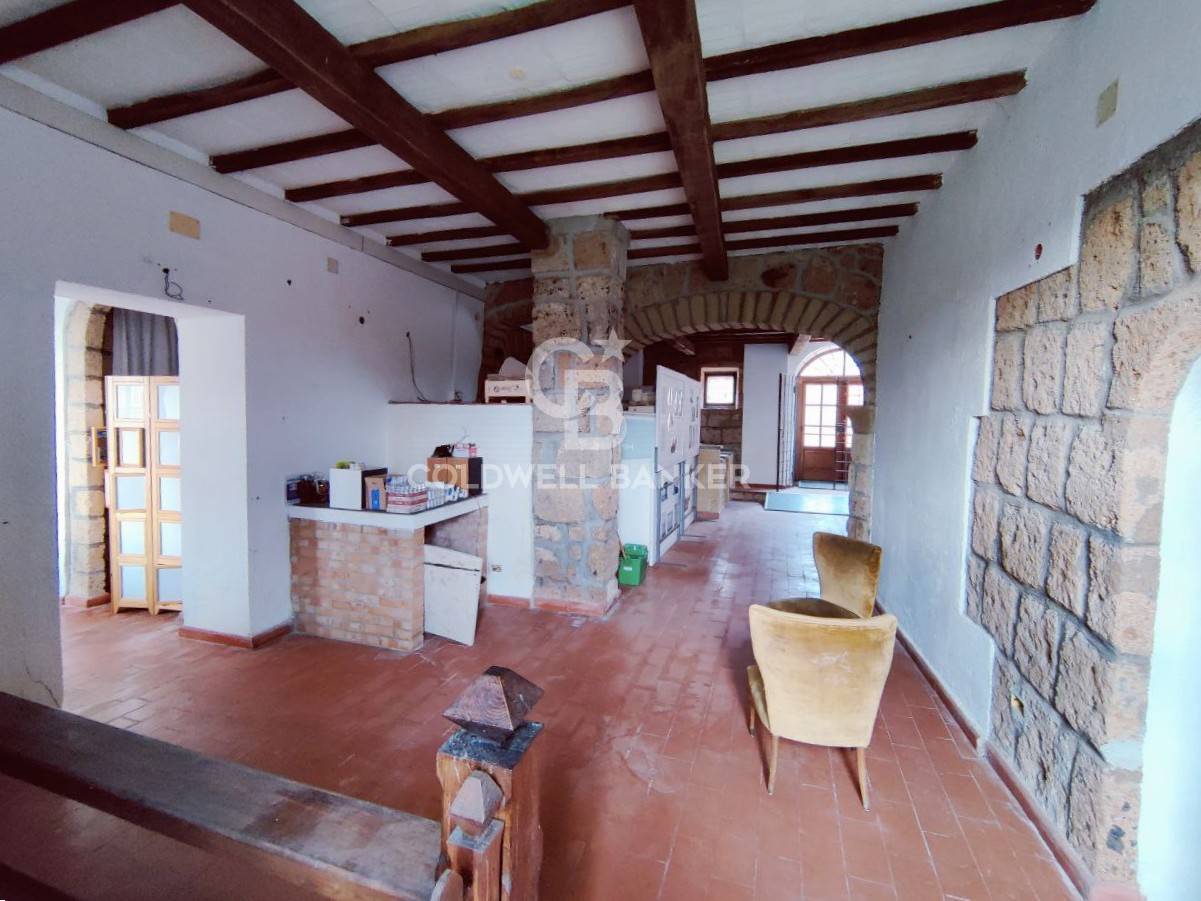
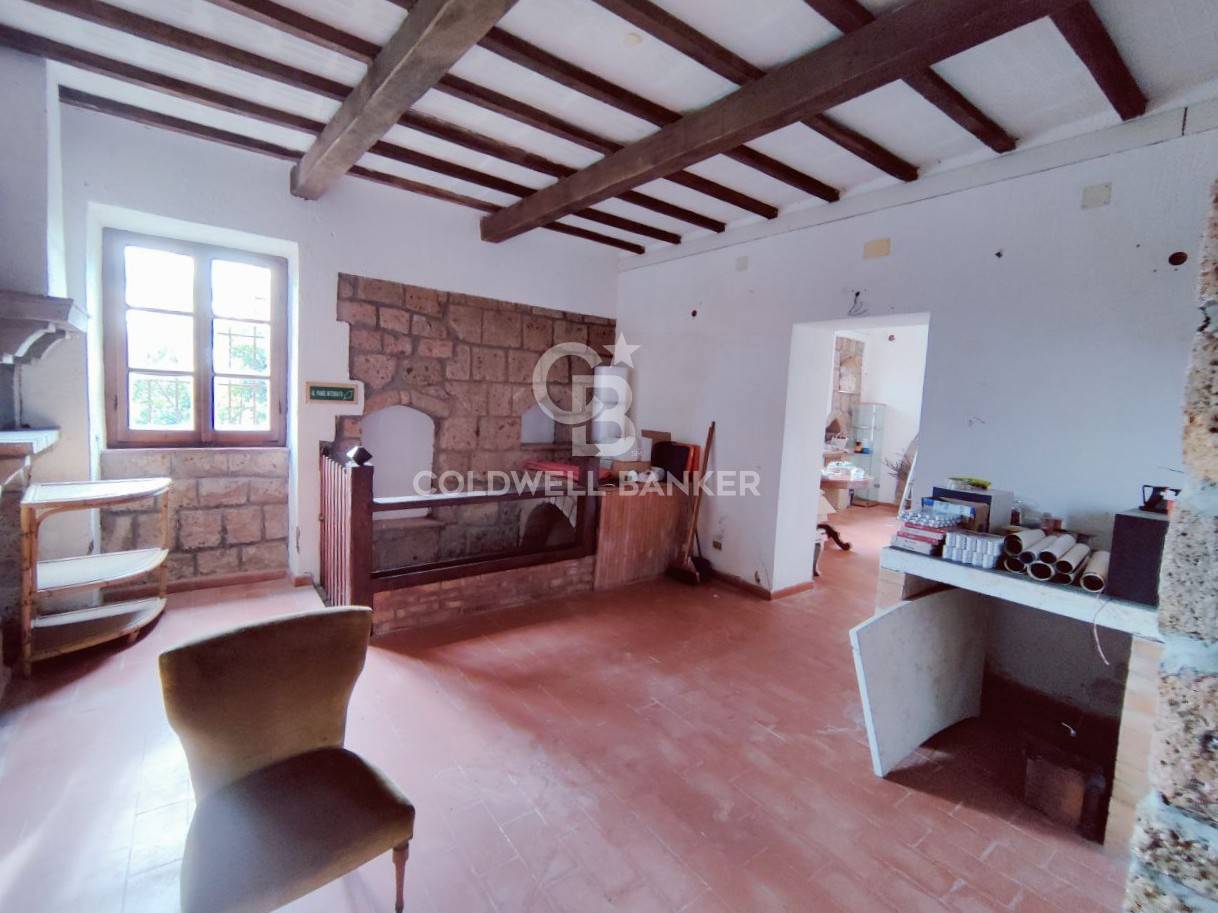
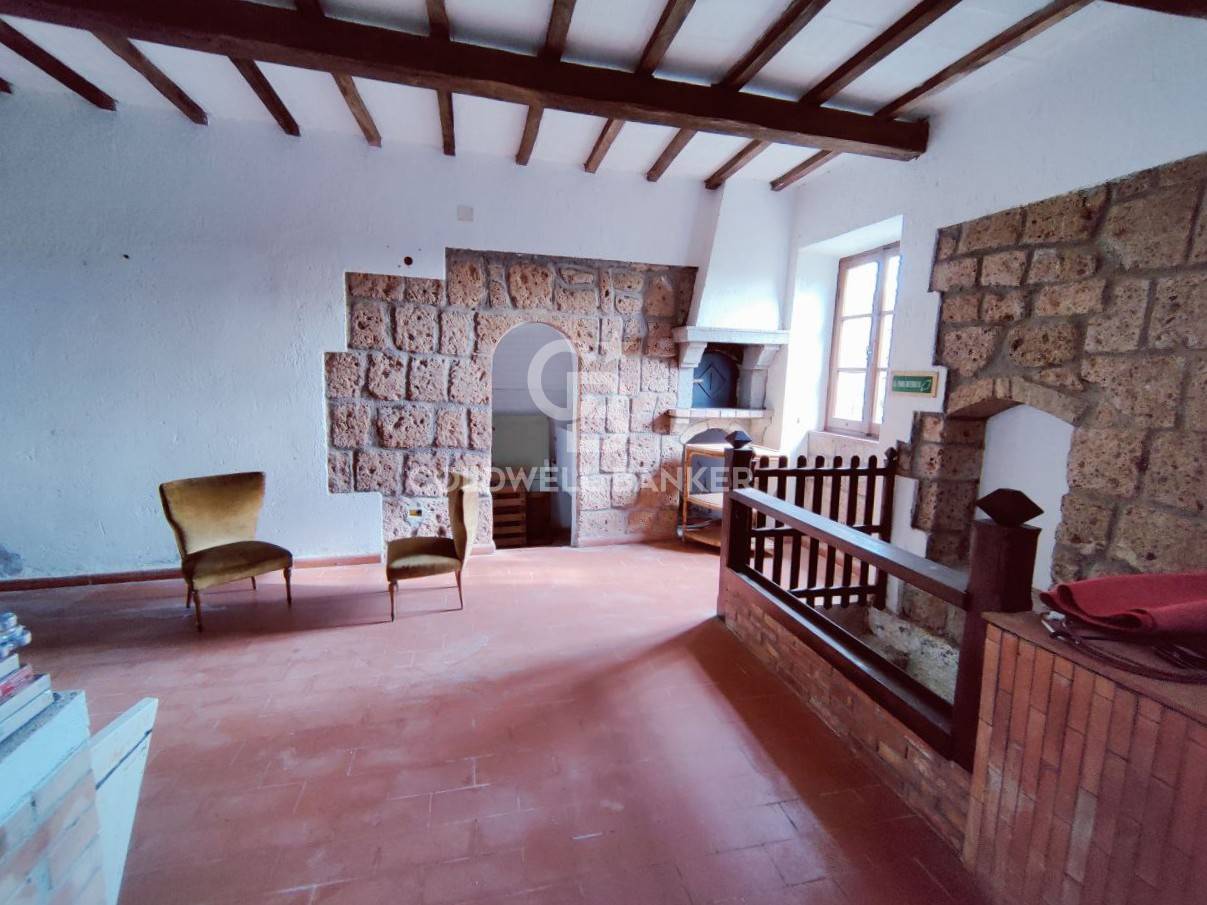
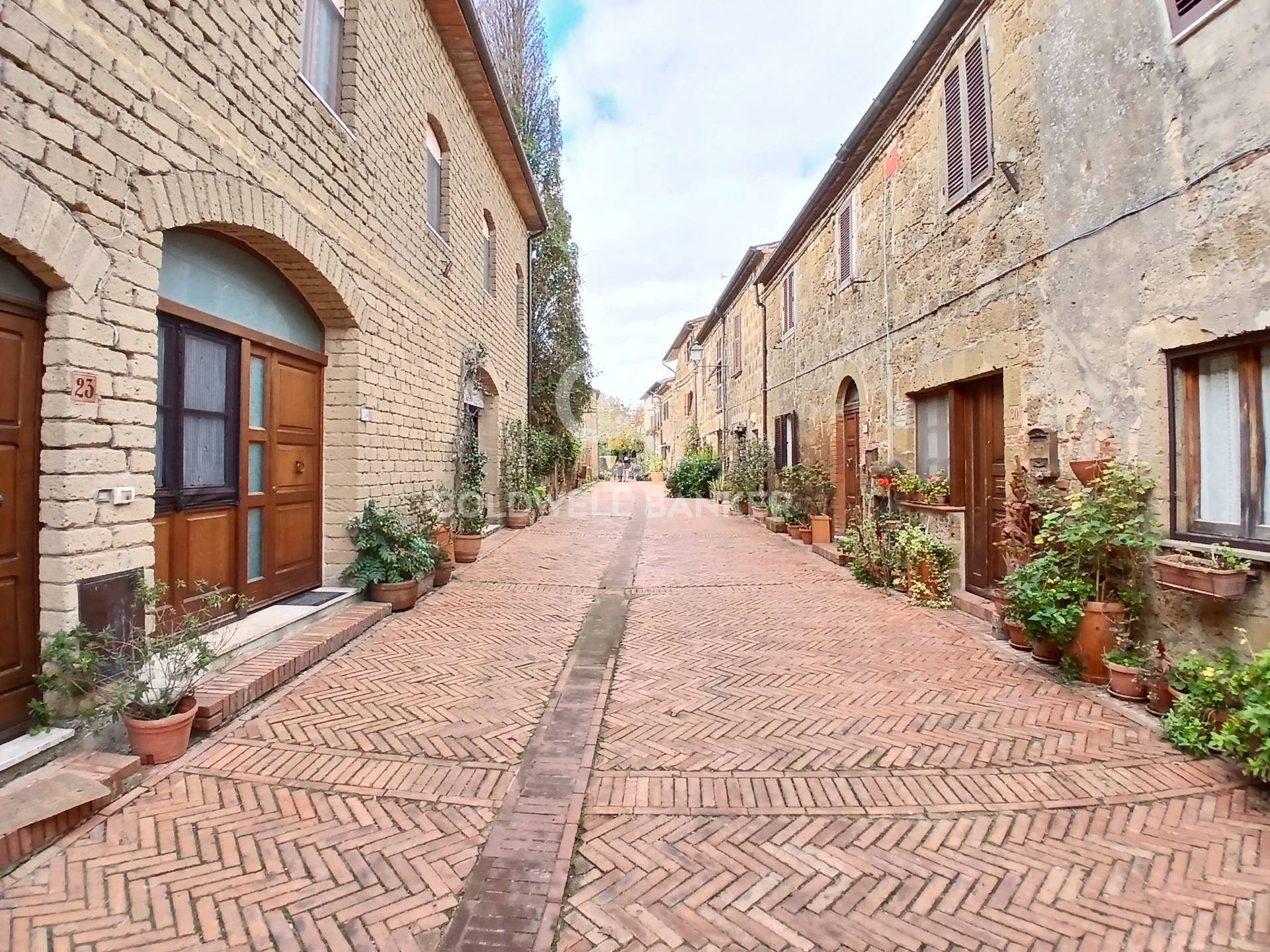
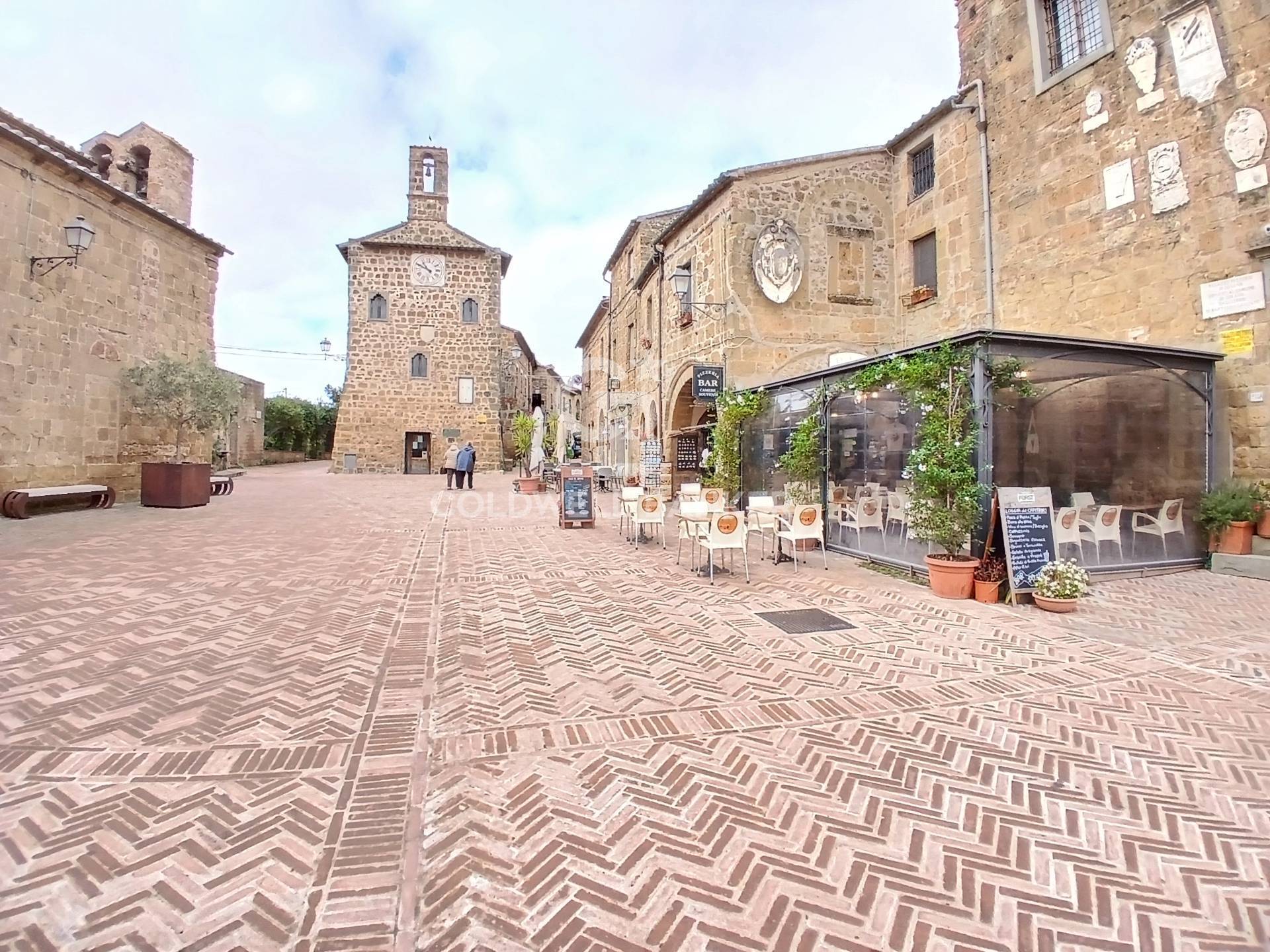
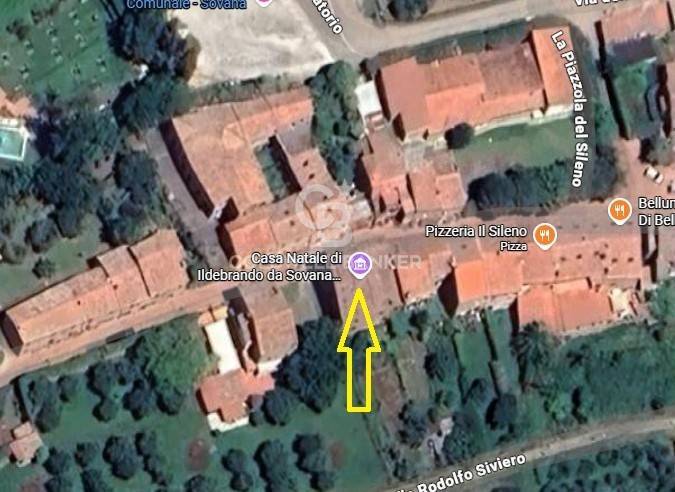
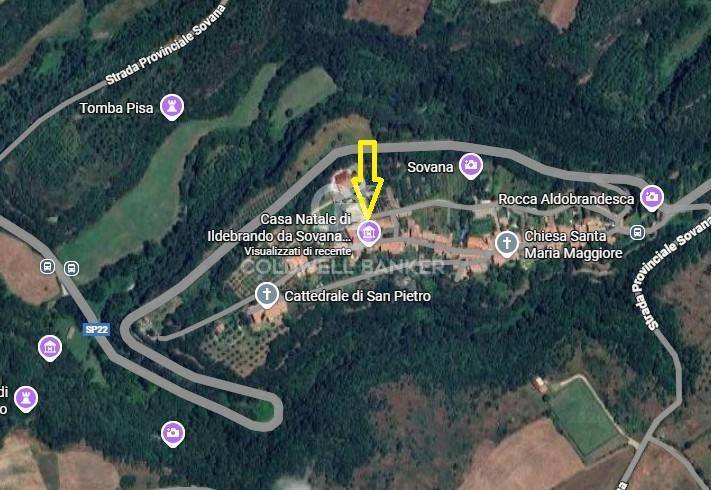
In the historic center of Sovana, a characteristic Etruscan village in the Tuscan Maremma, we present the ancient residence that, according to tradition, was the birthplace of Ildebrando di Soana, the future Pope Gregory VII.
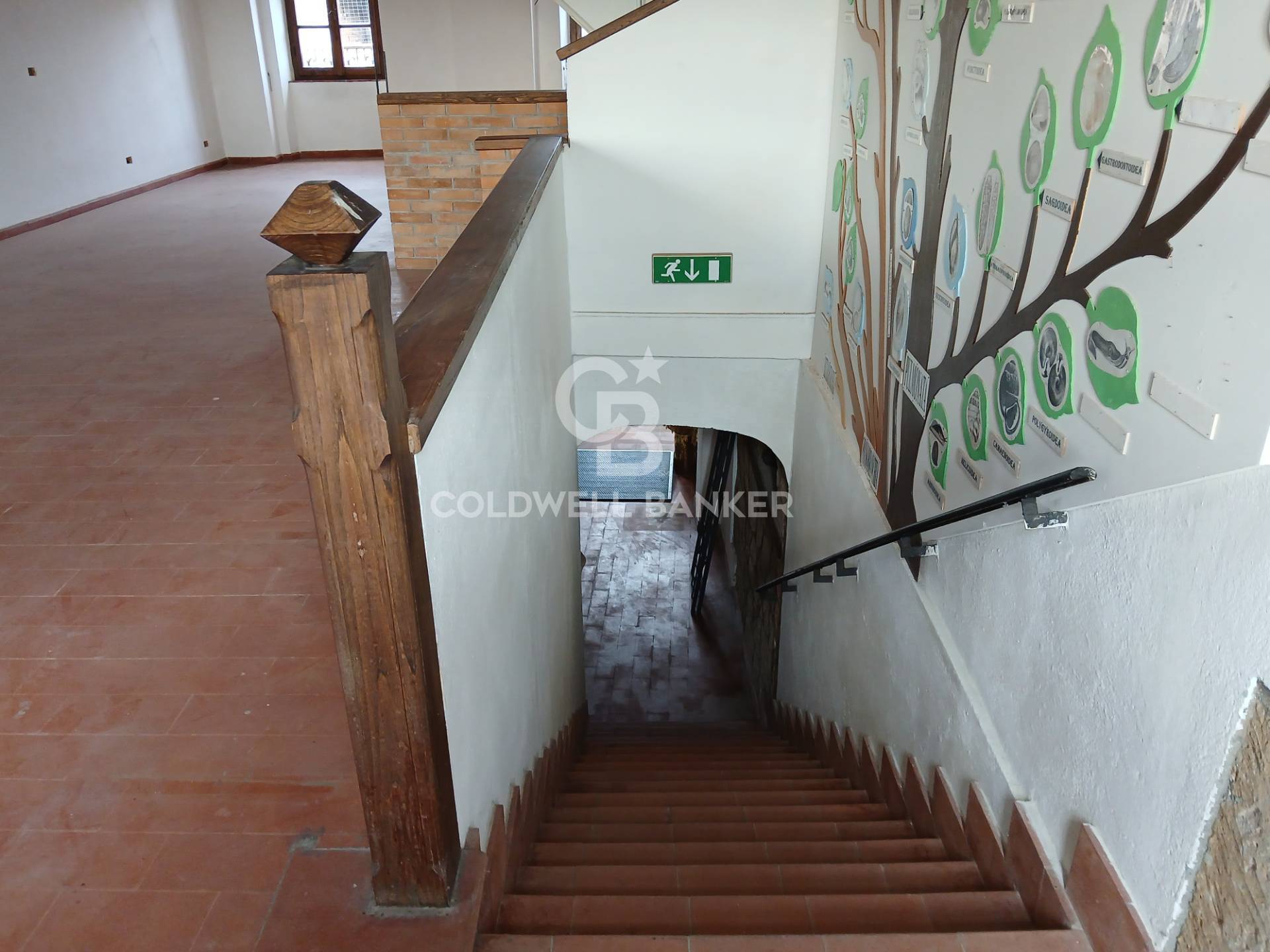
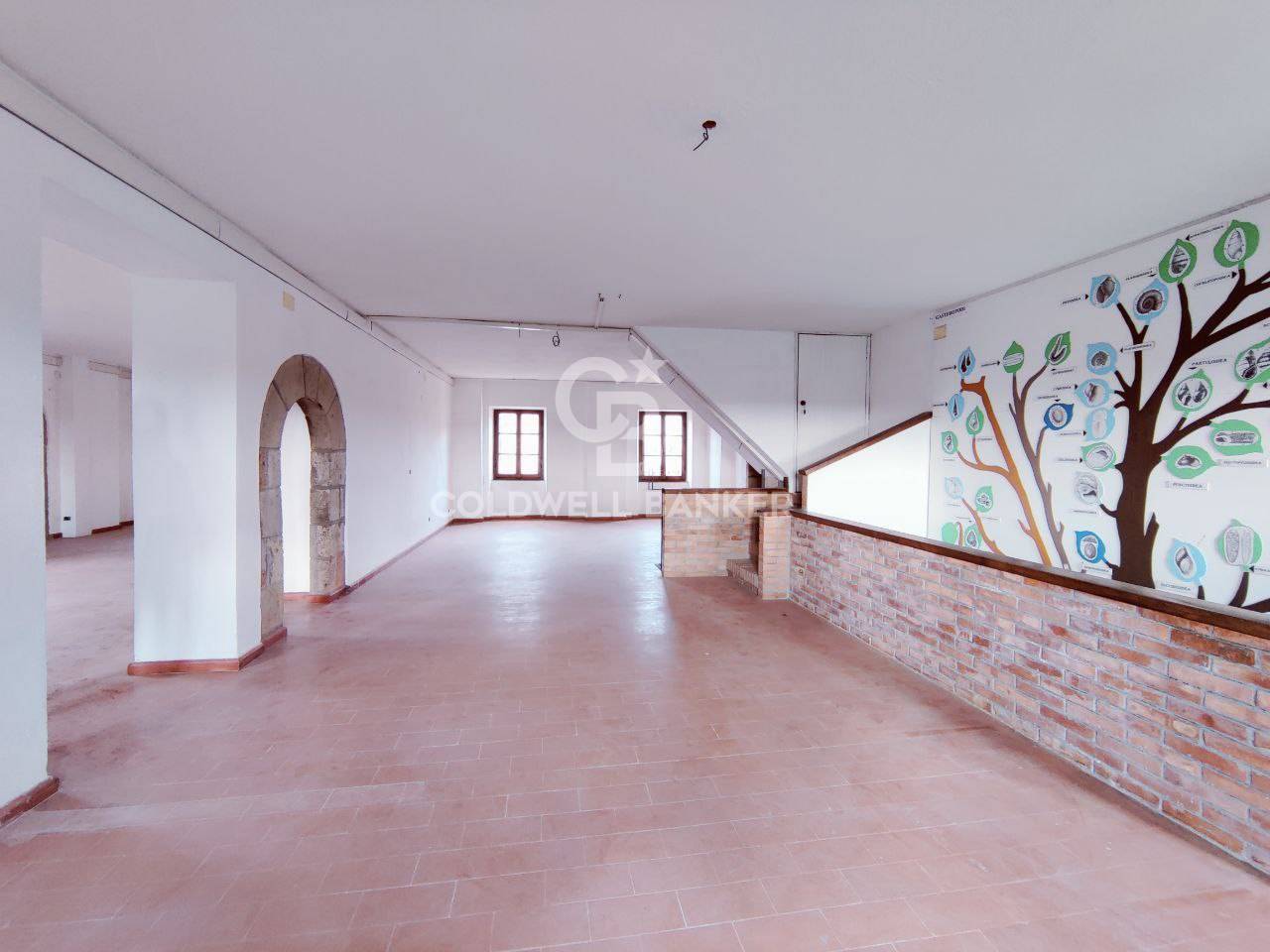
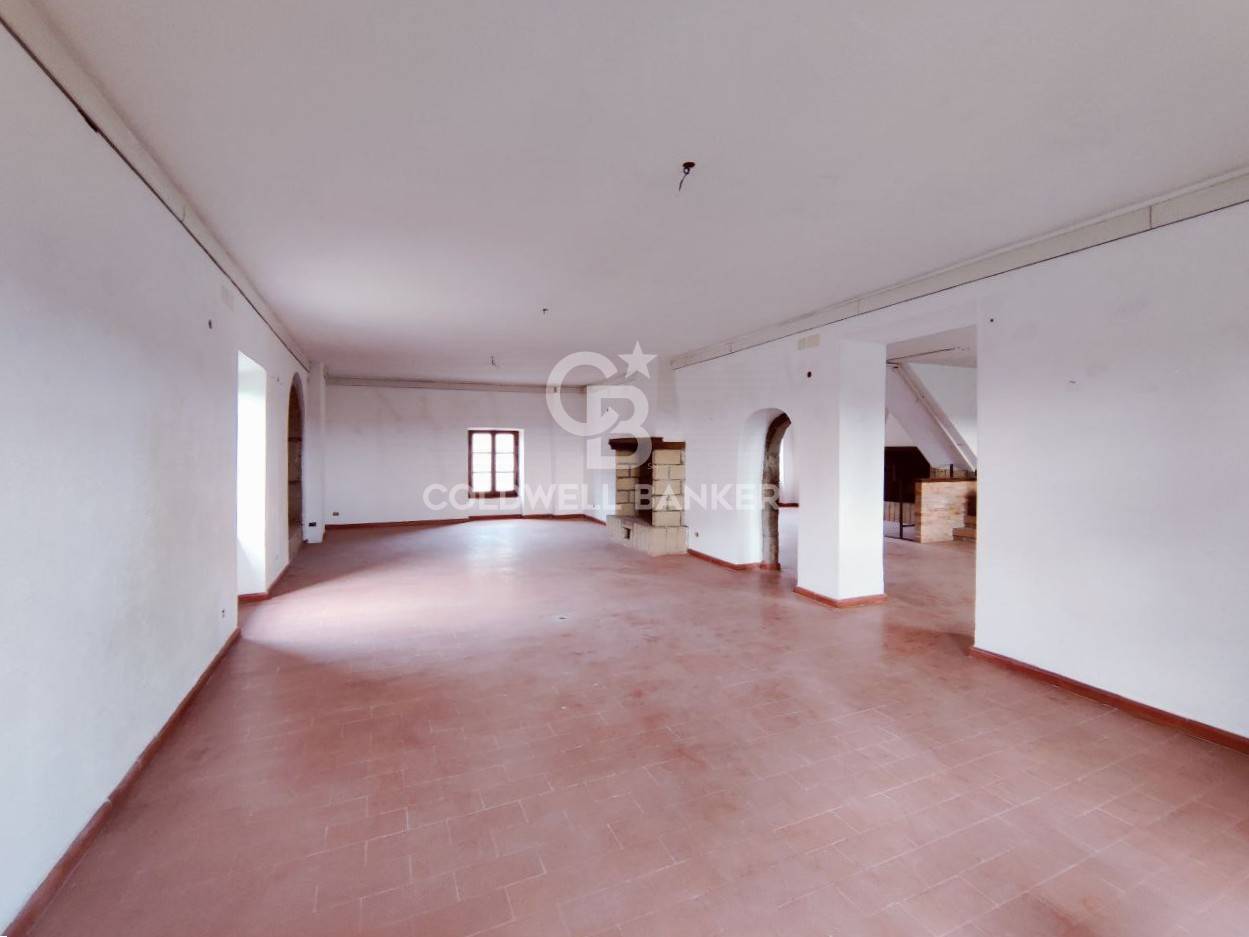
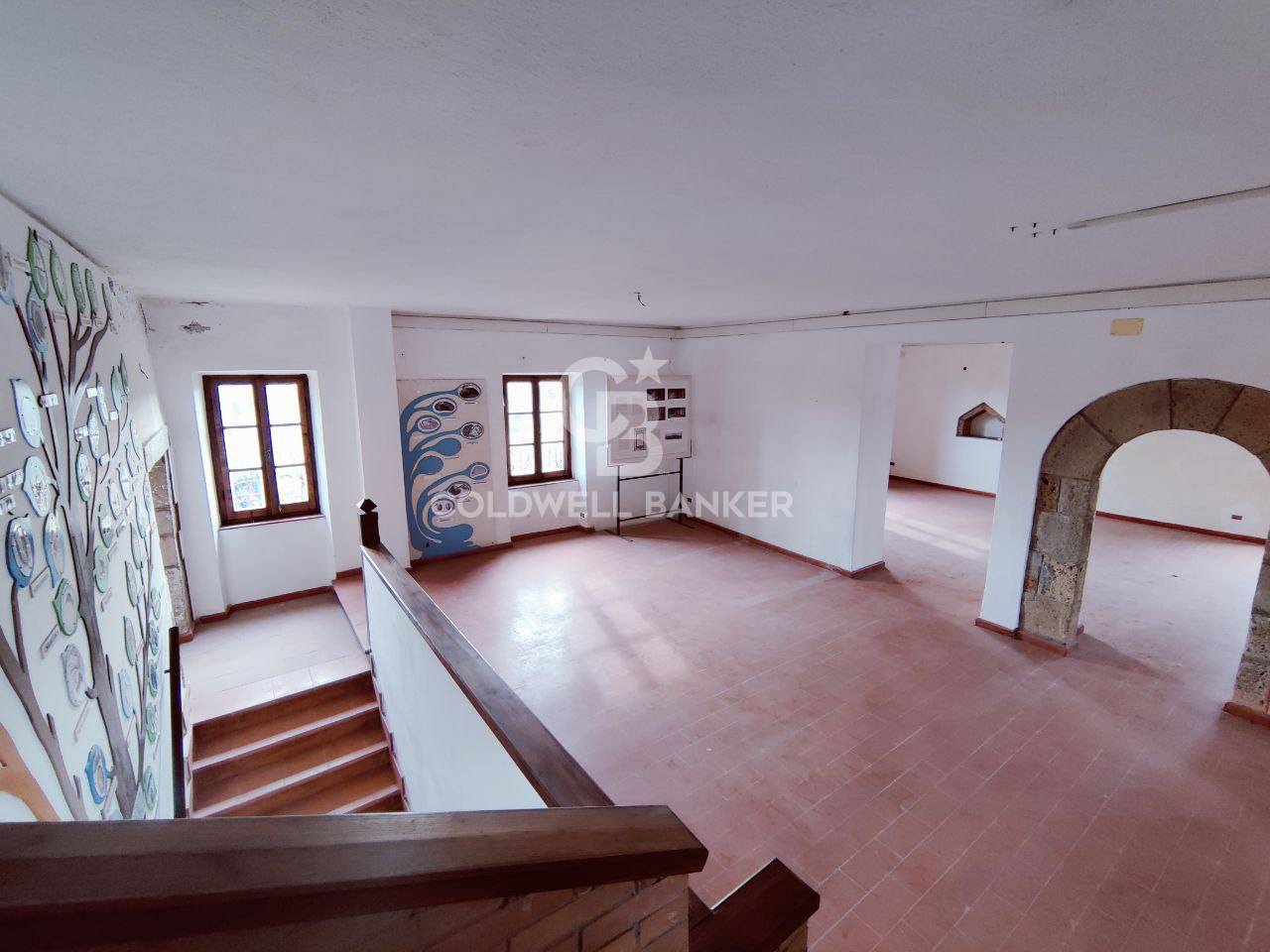
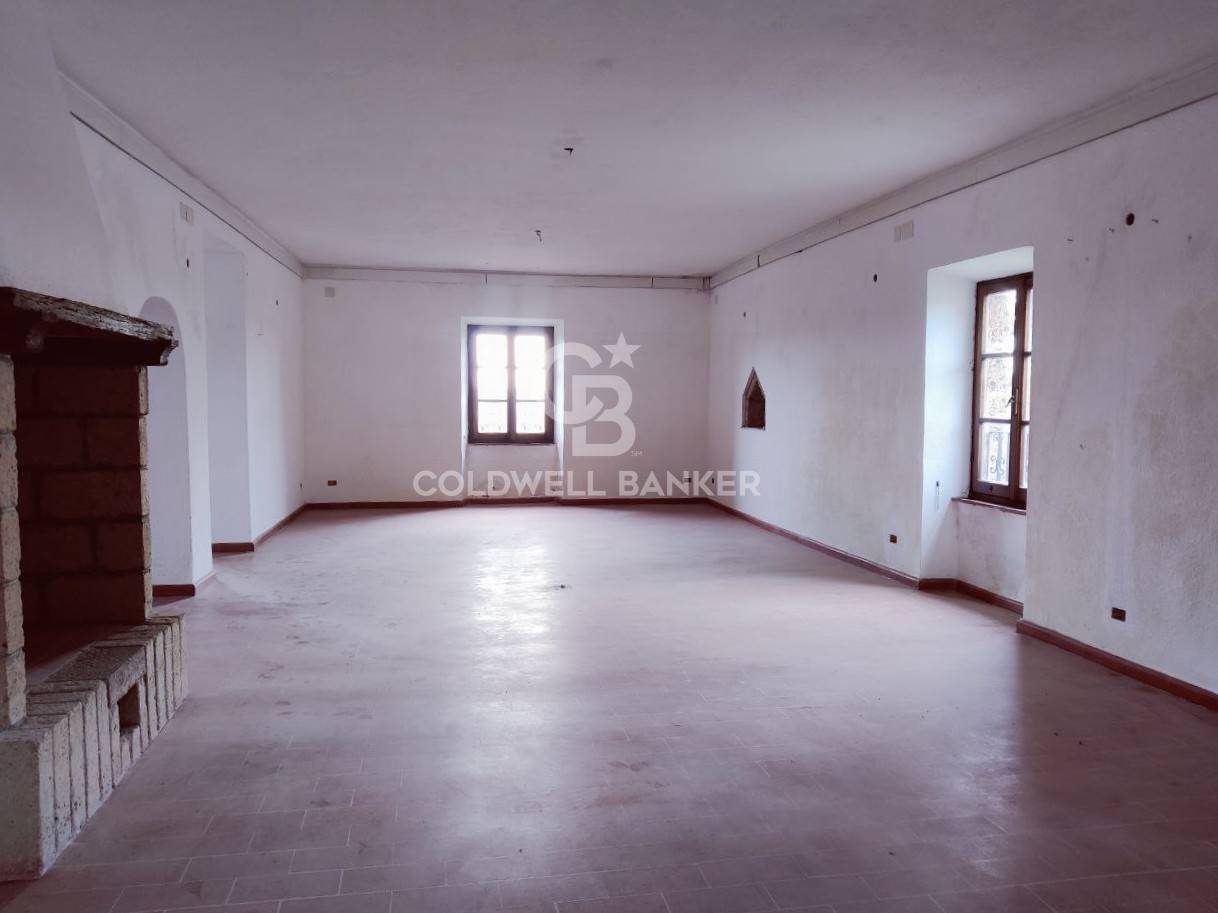
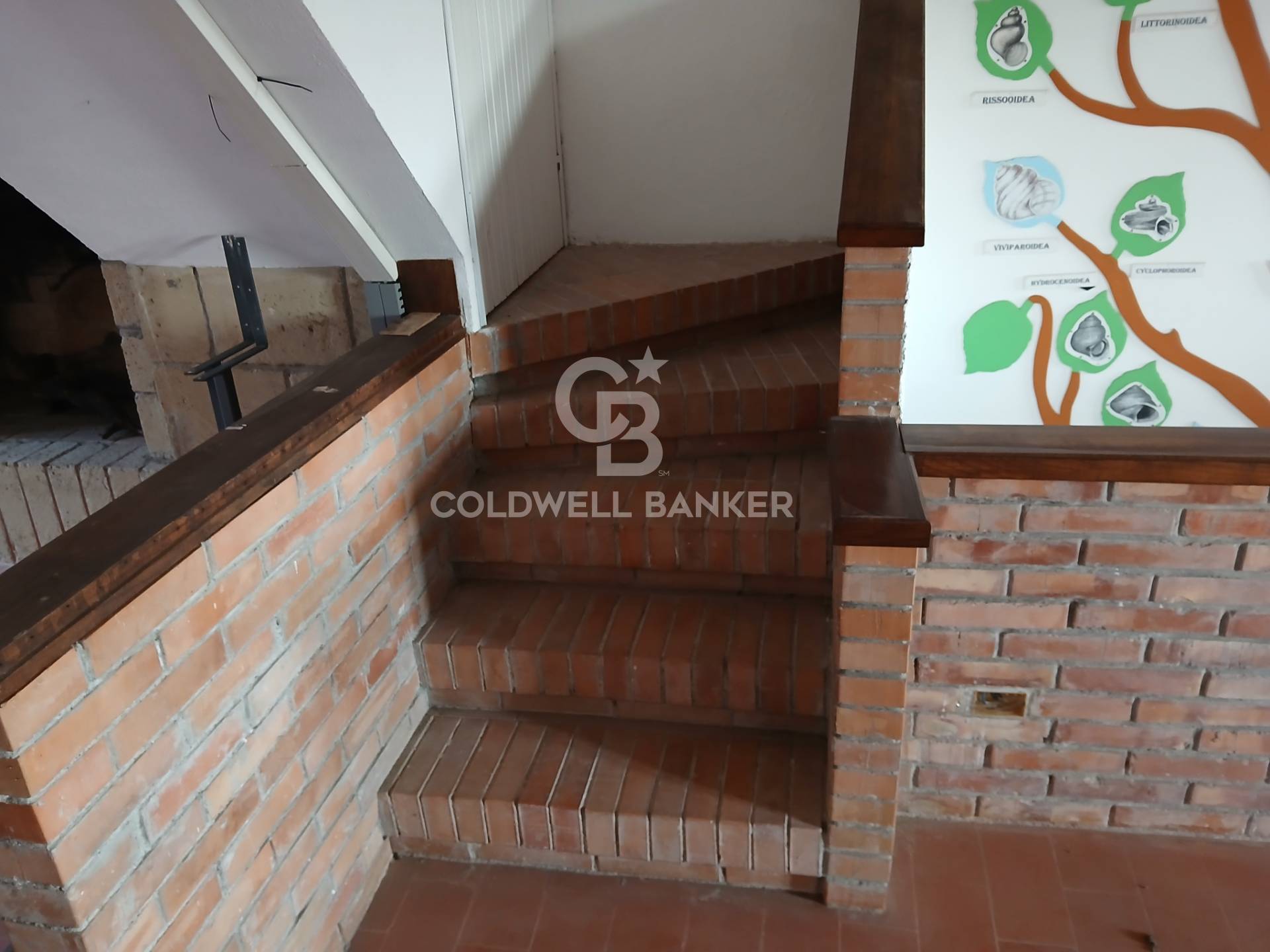
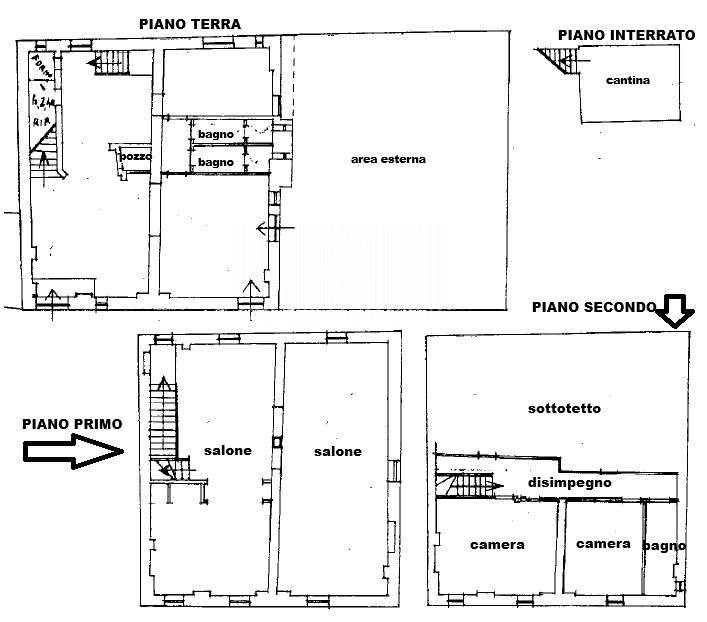
The building has a total surface area of approximately 405 m2 and is arranged on three levels:
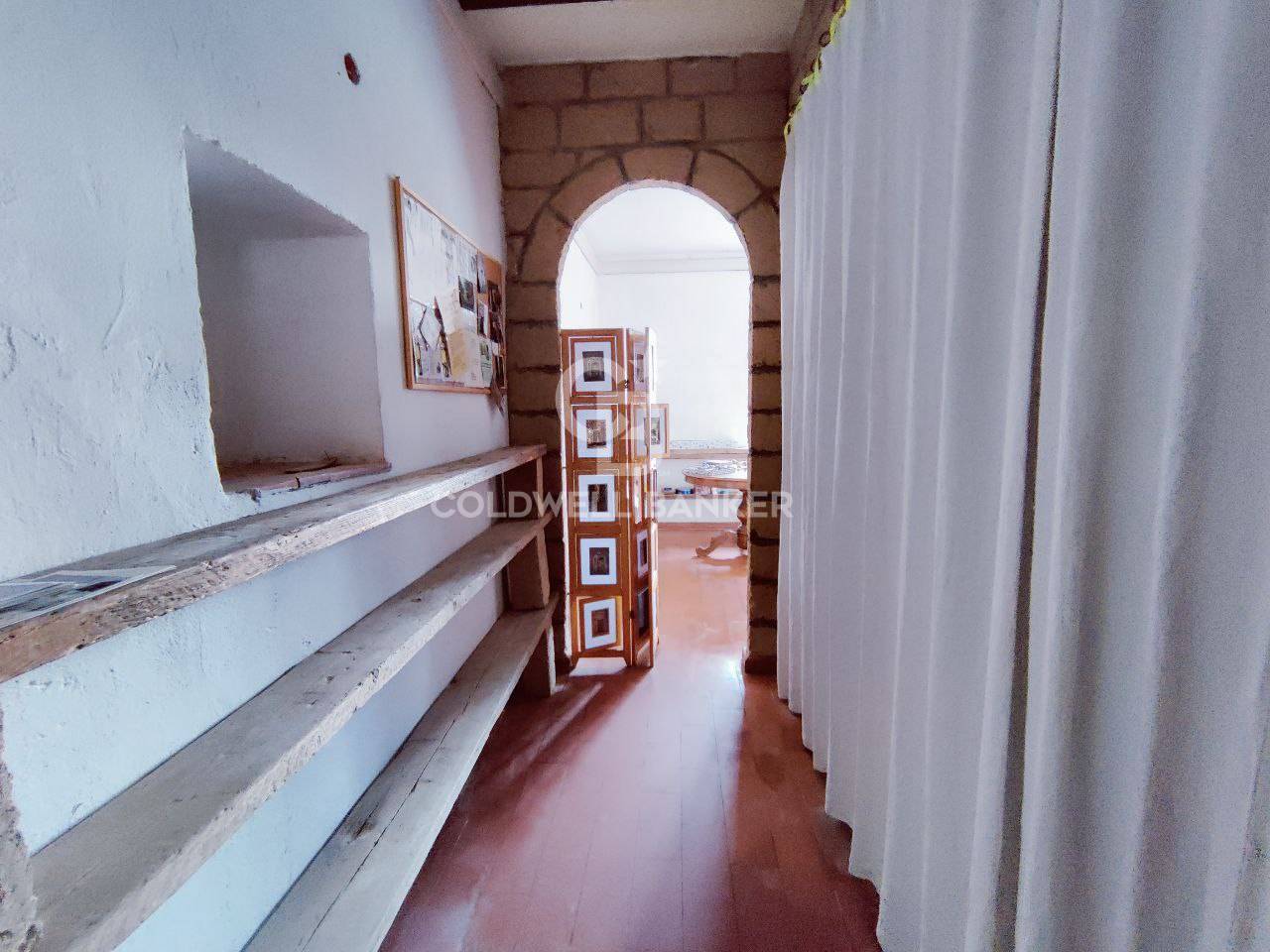
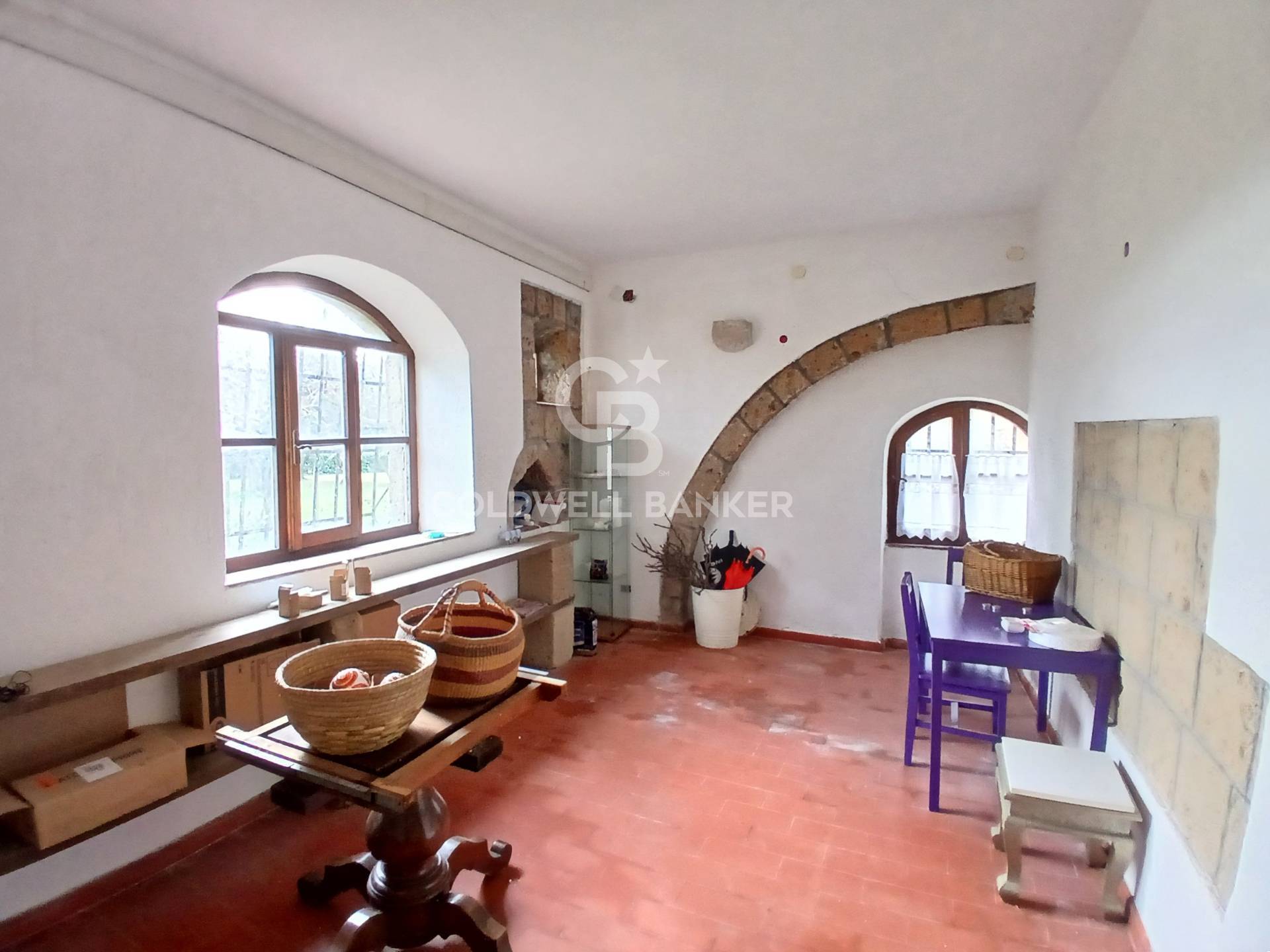
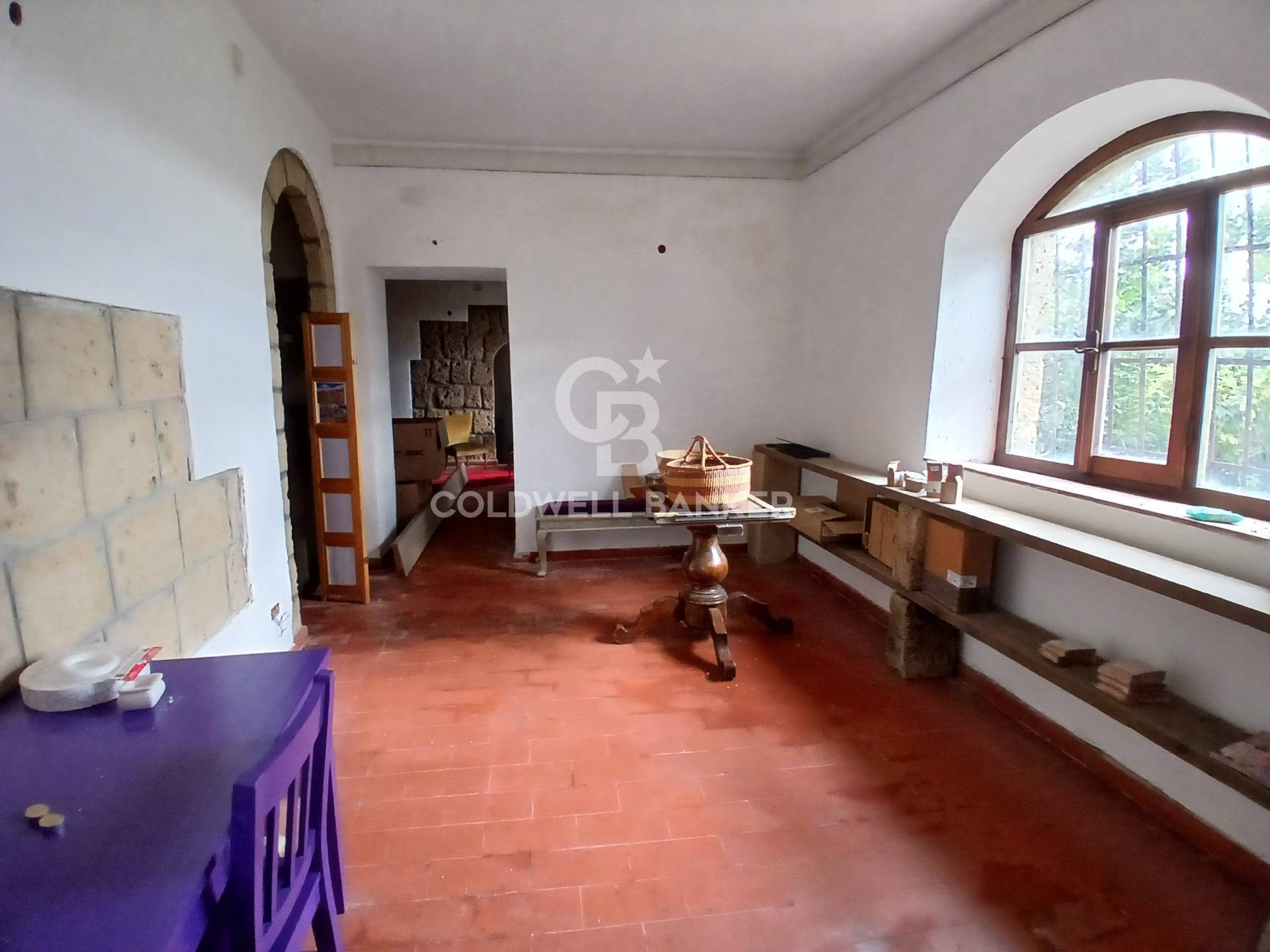
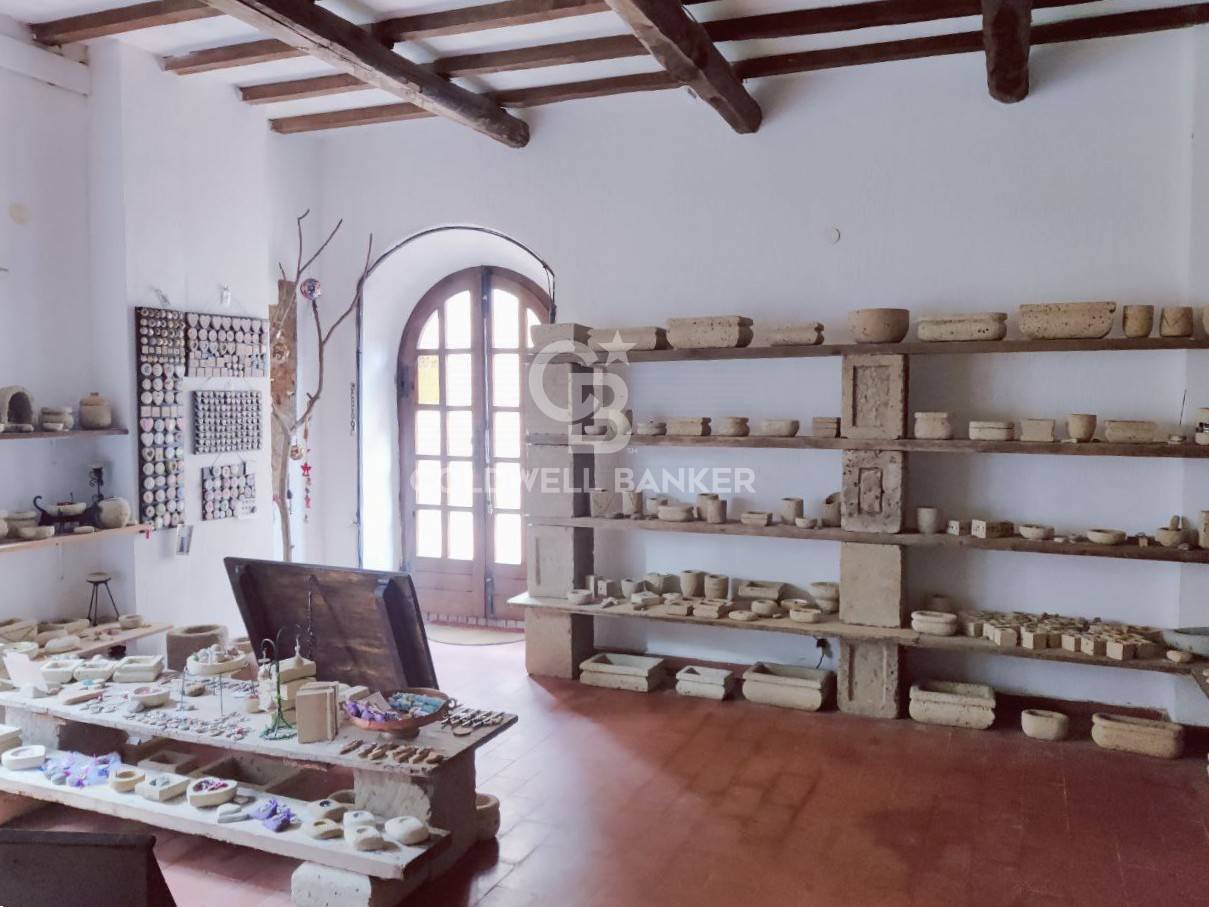
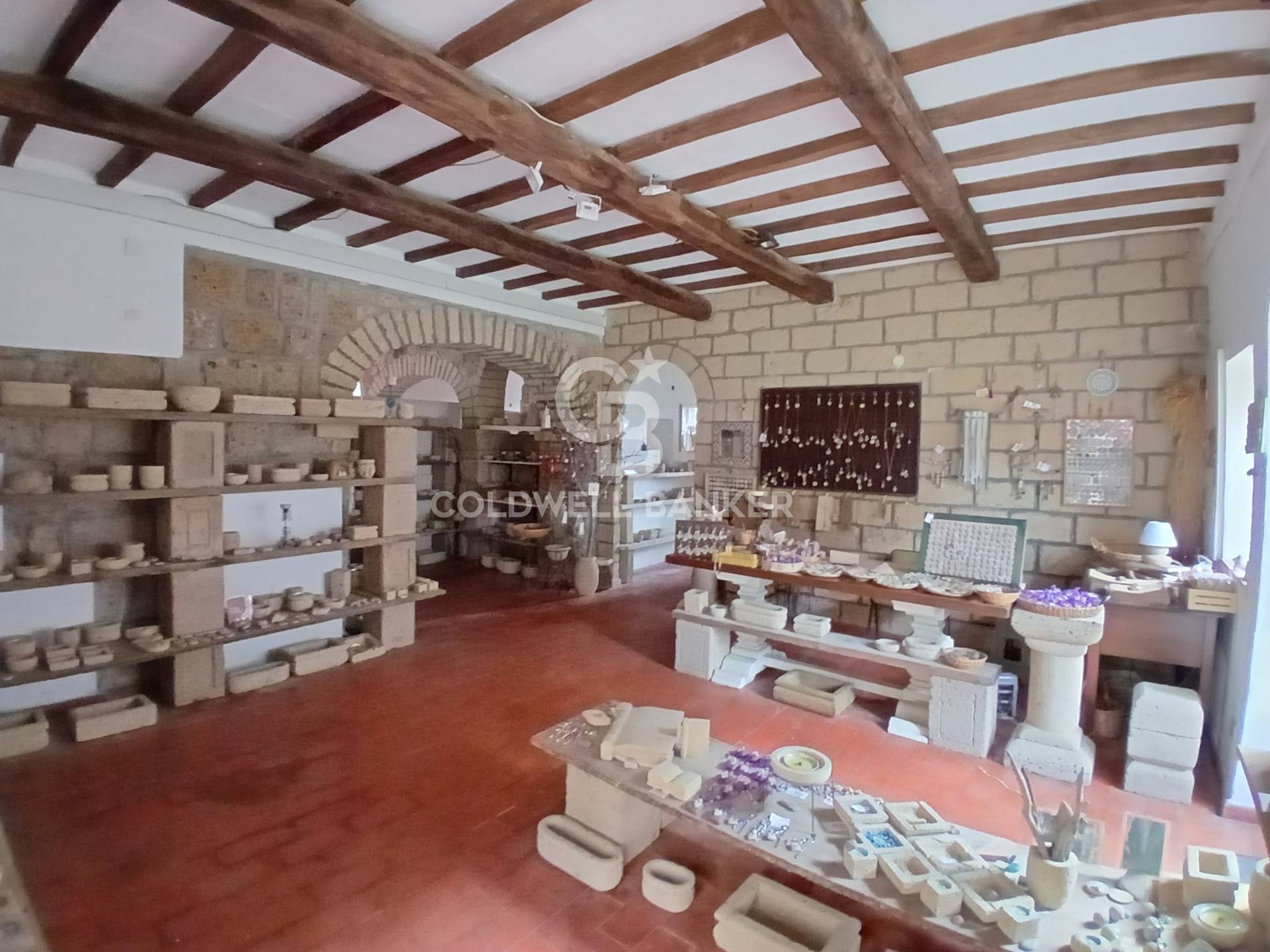
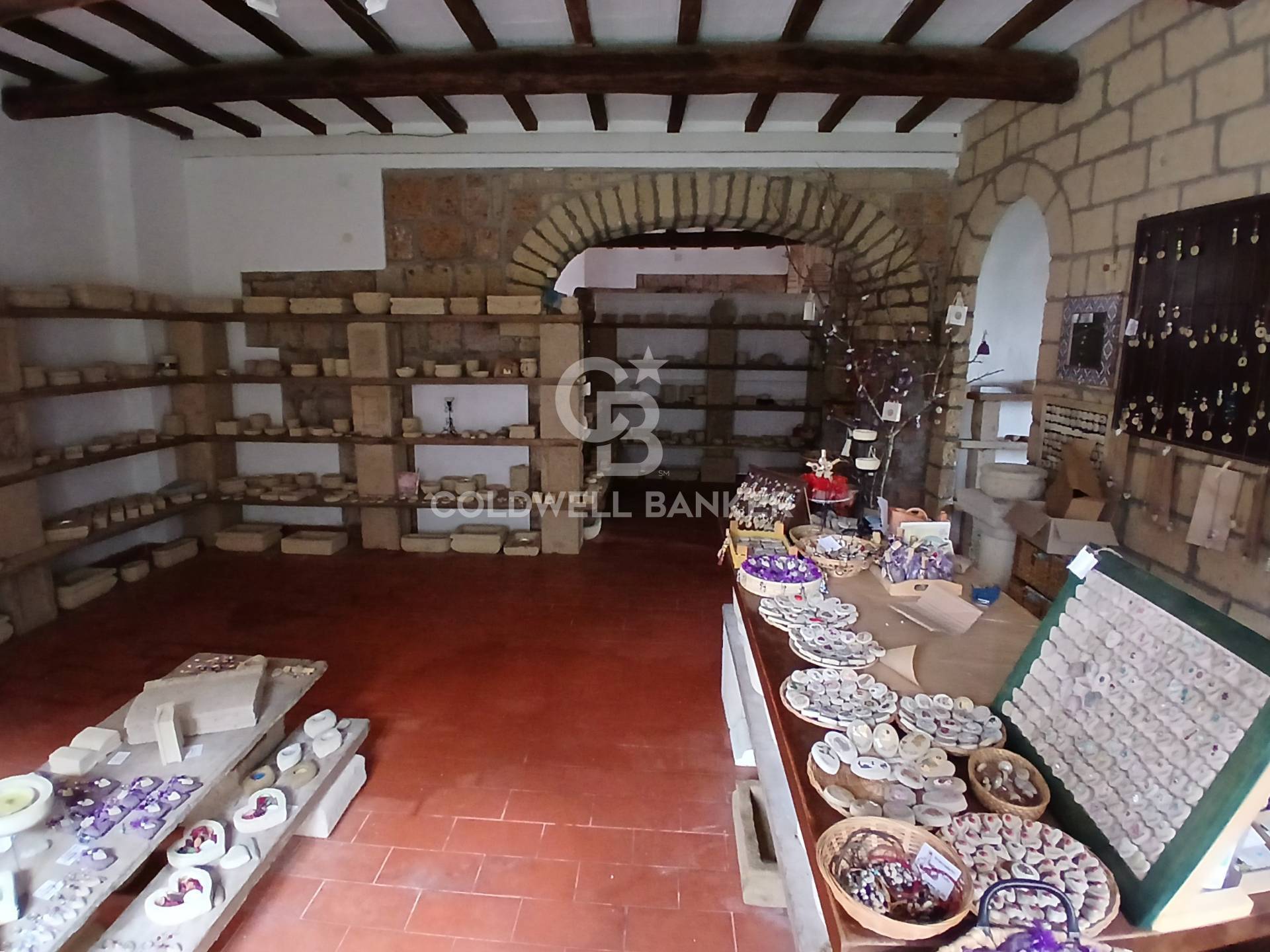
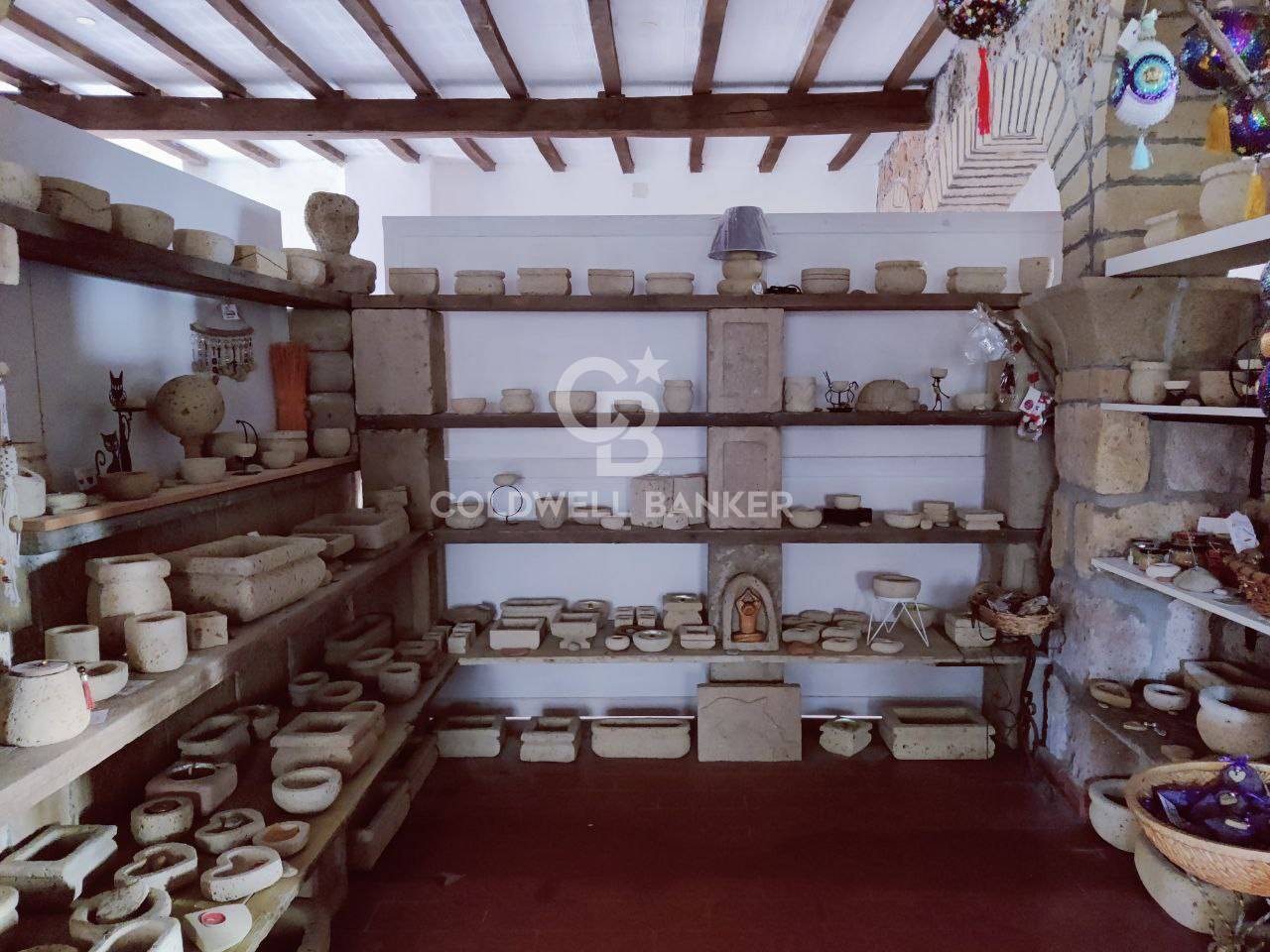
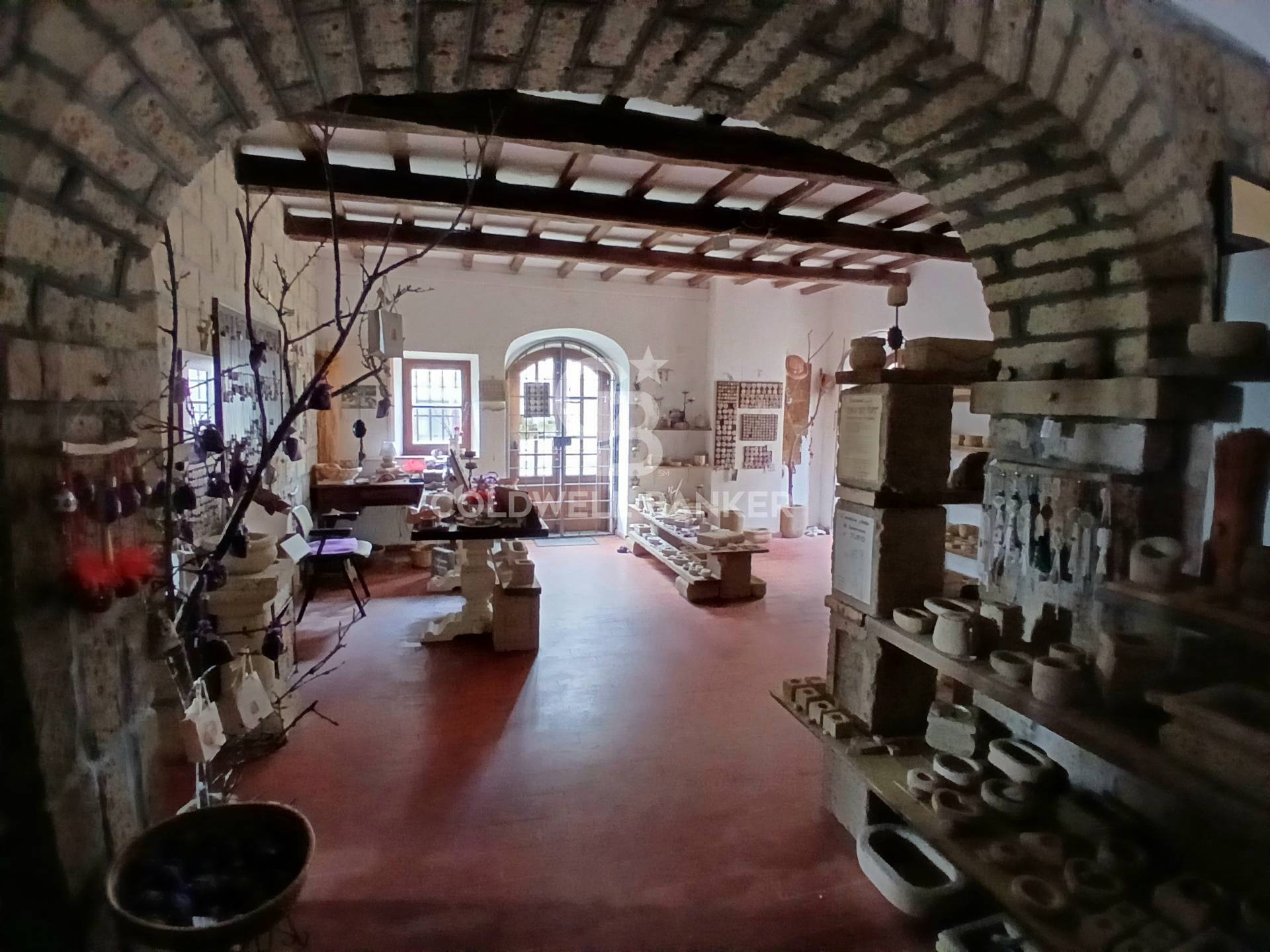
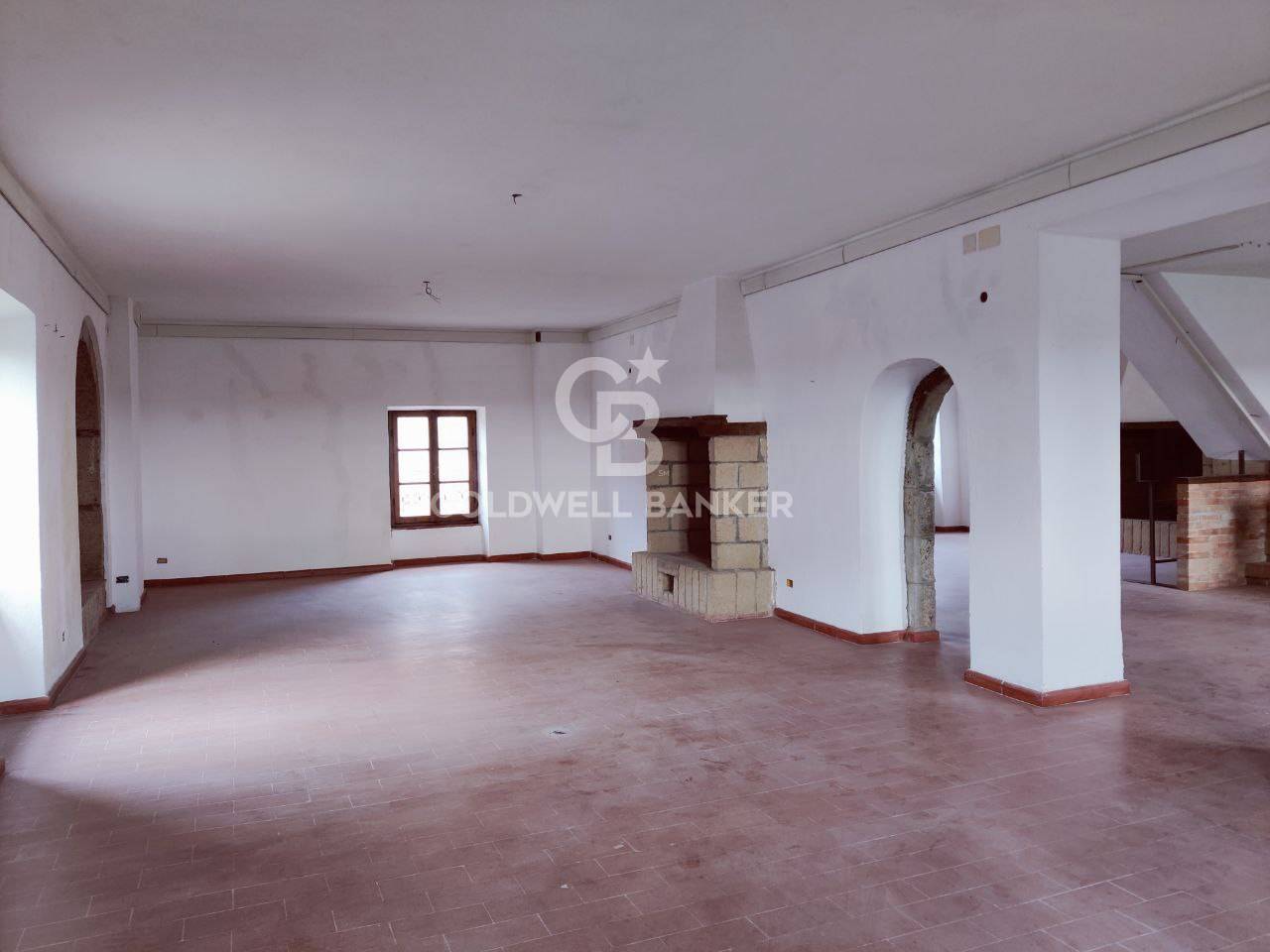
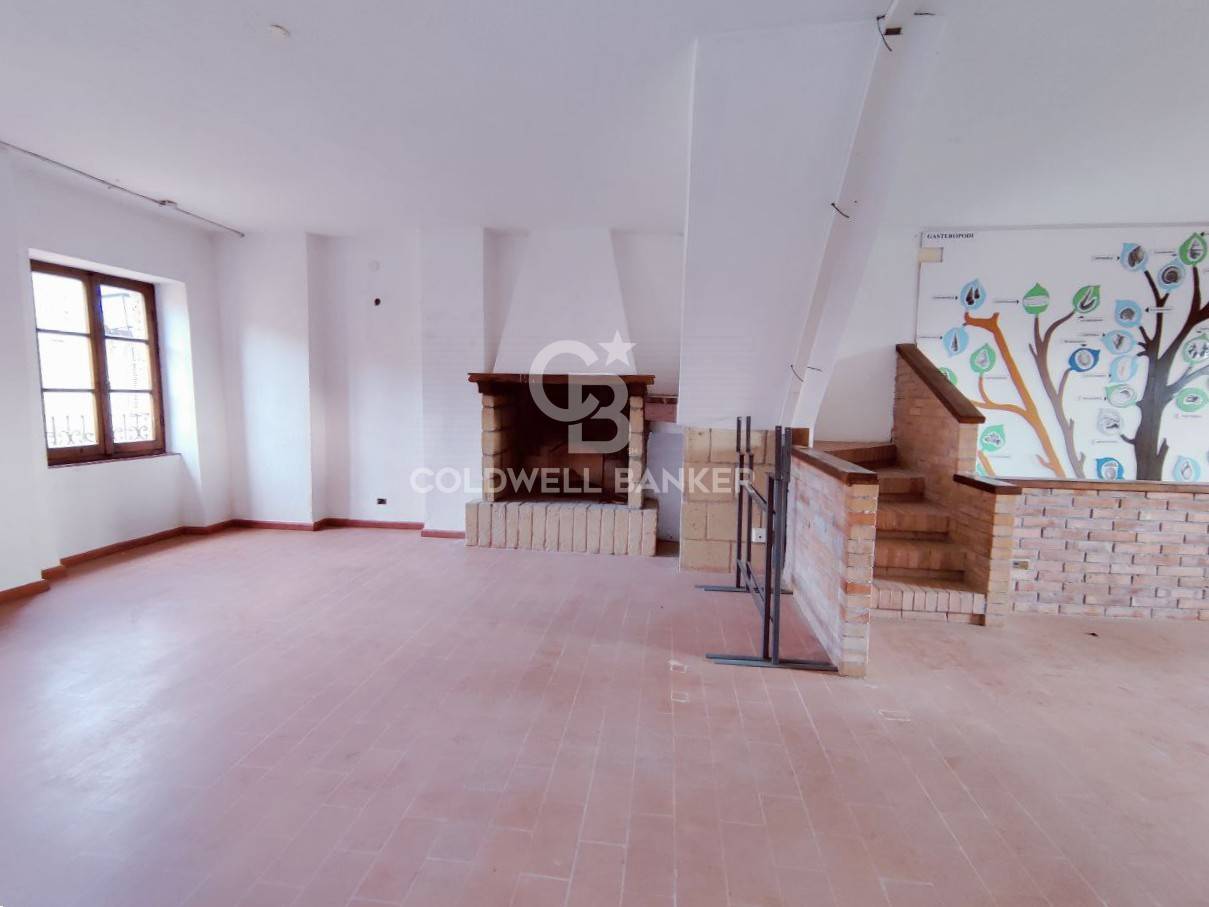
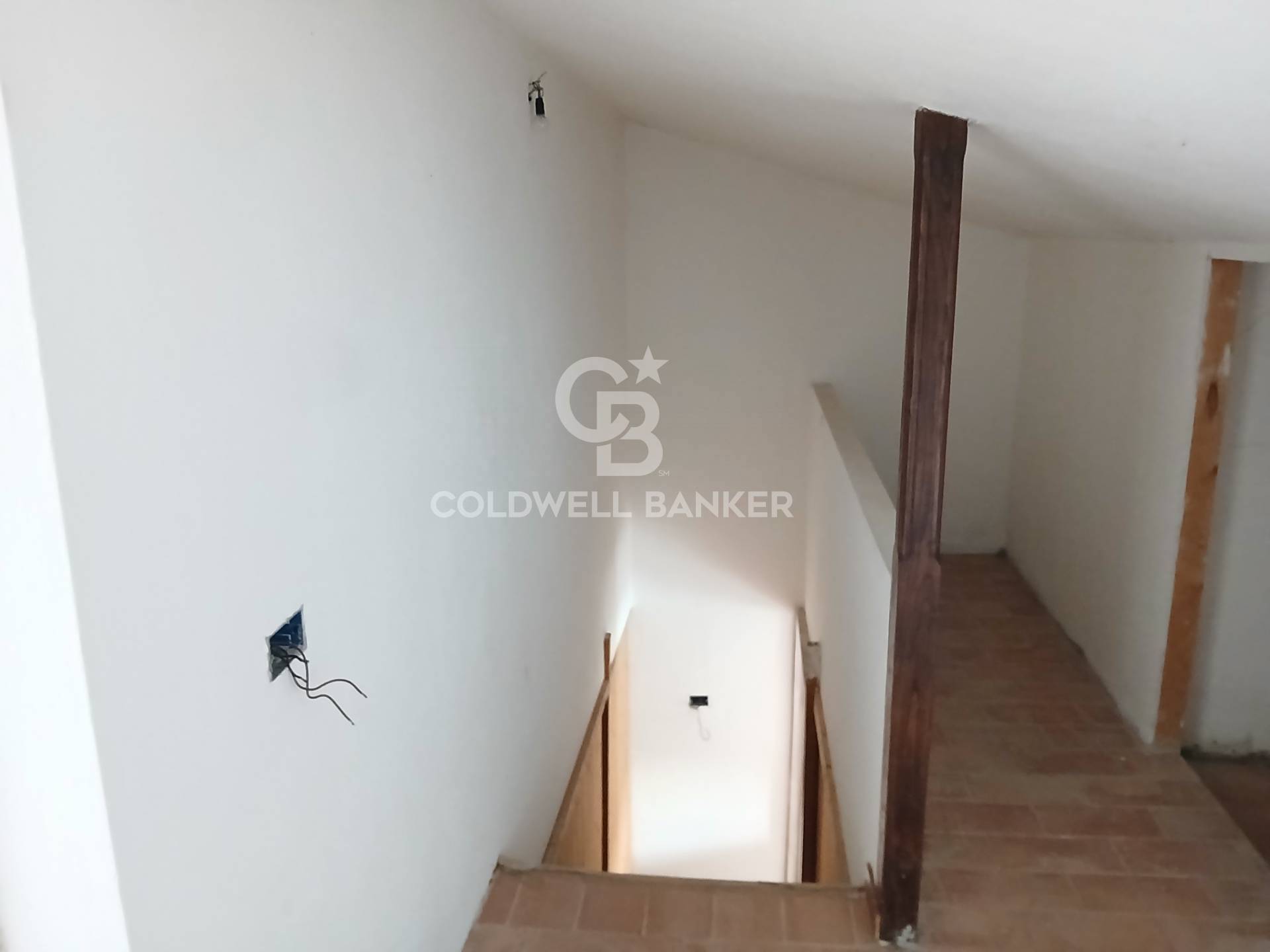
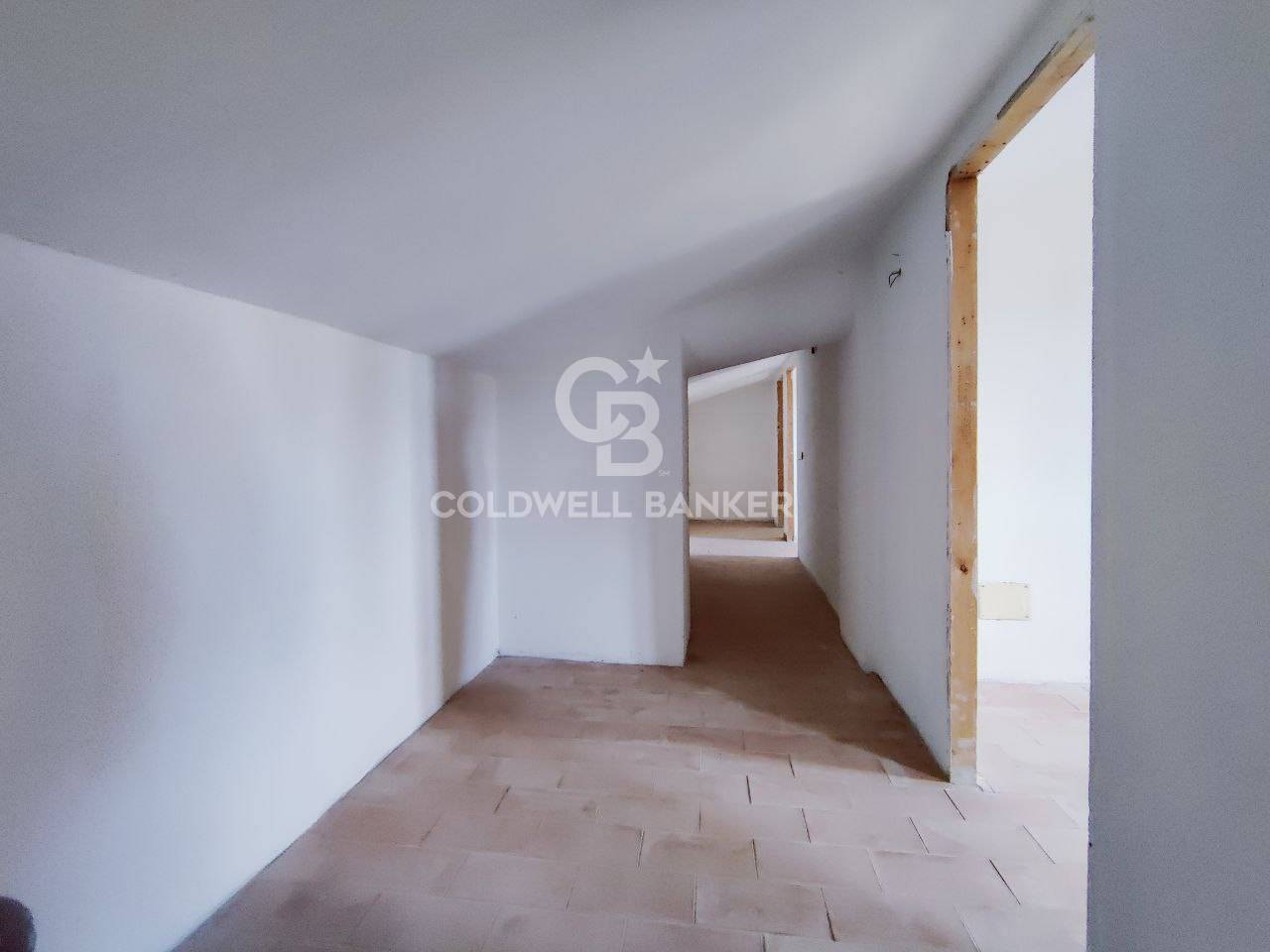
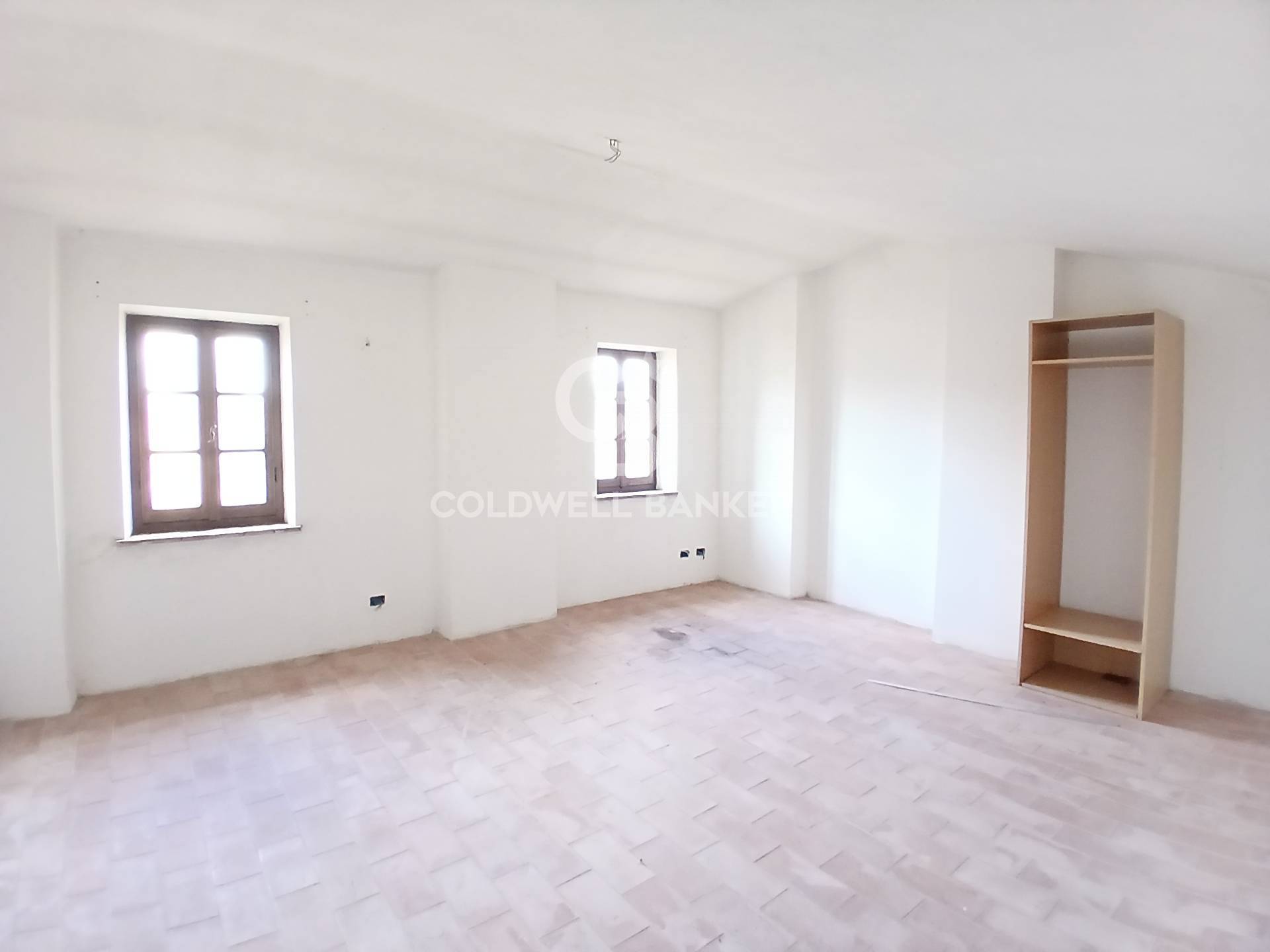
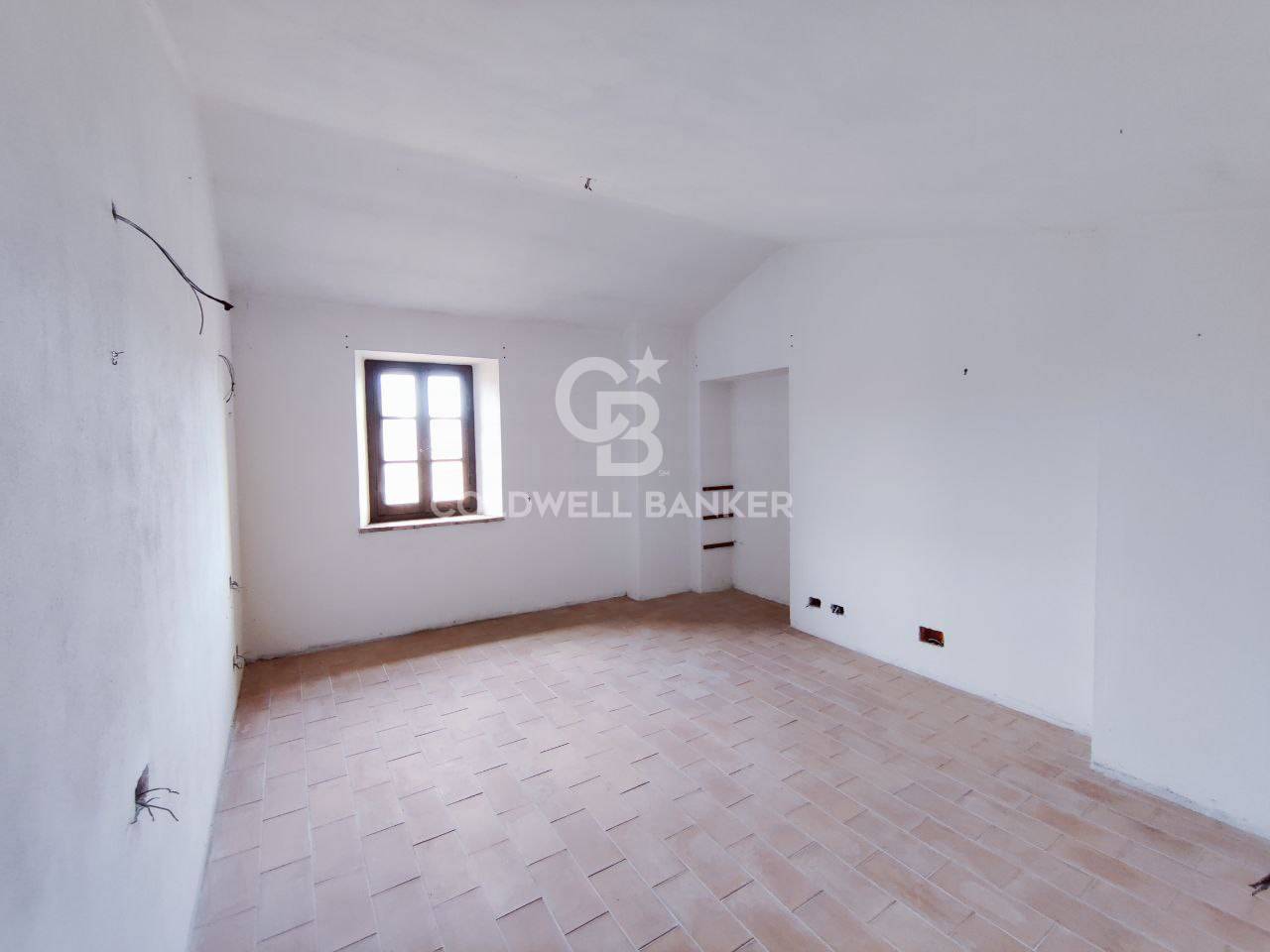
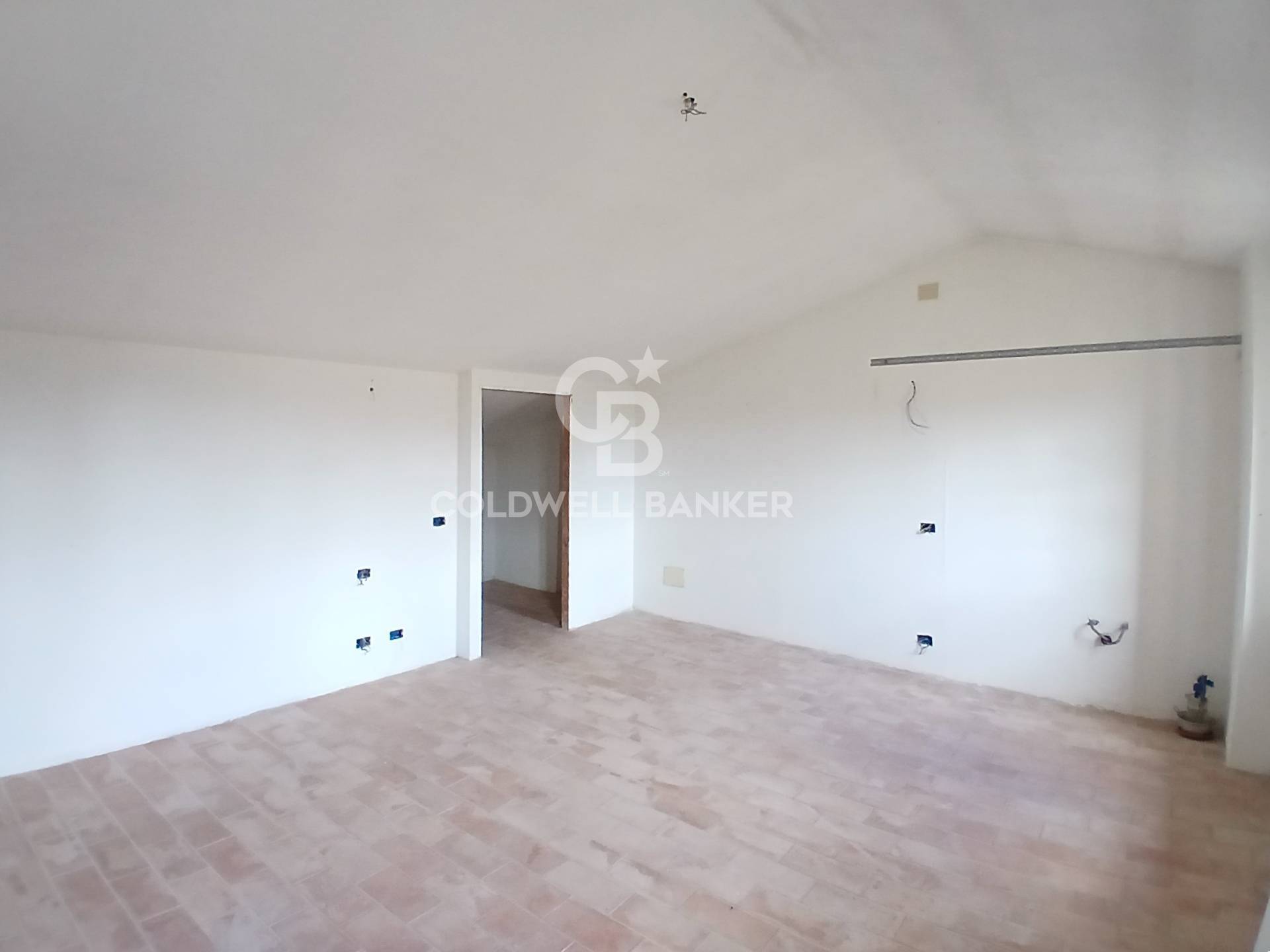
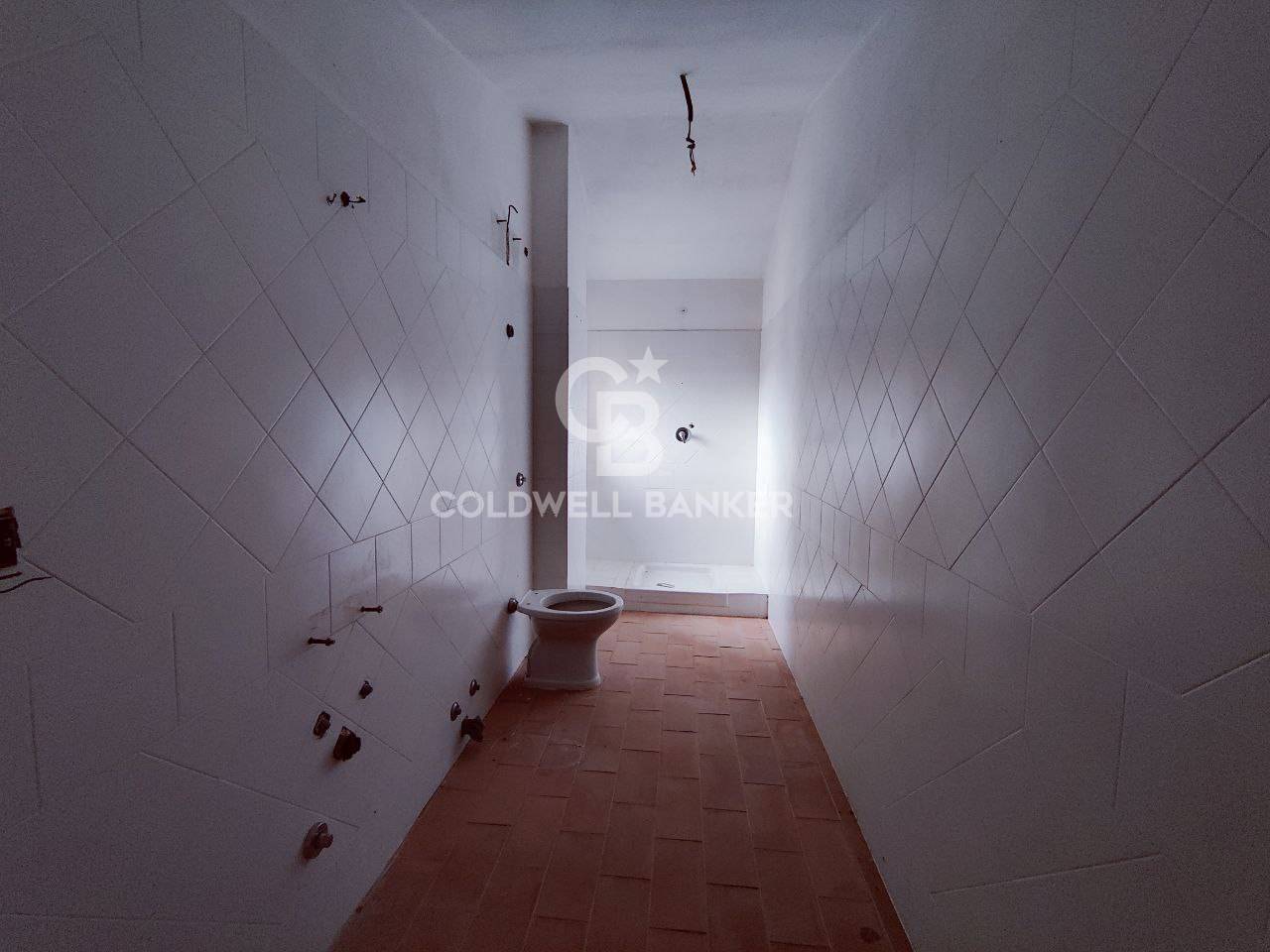
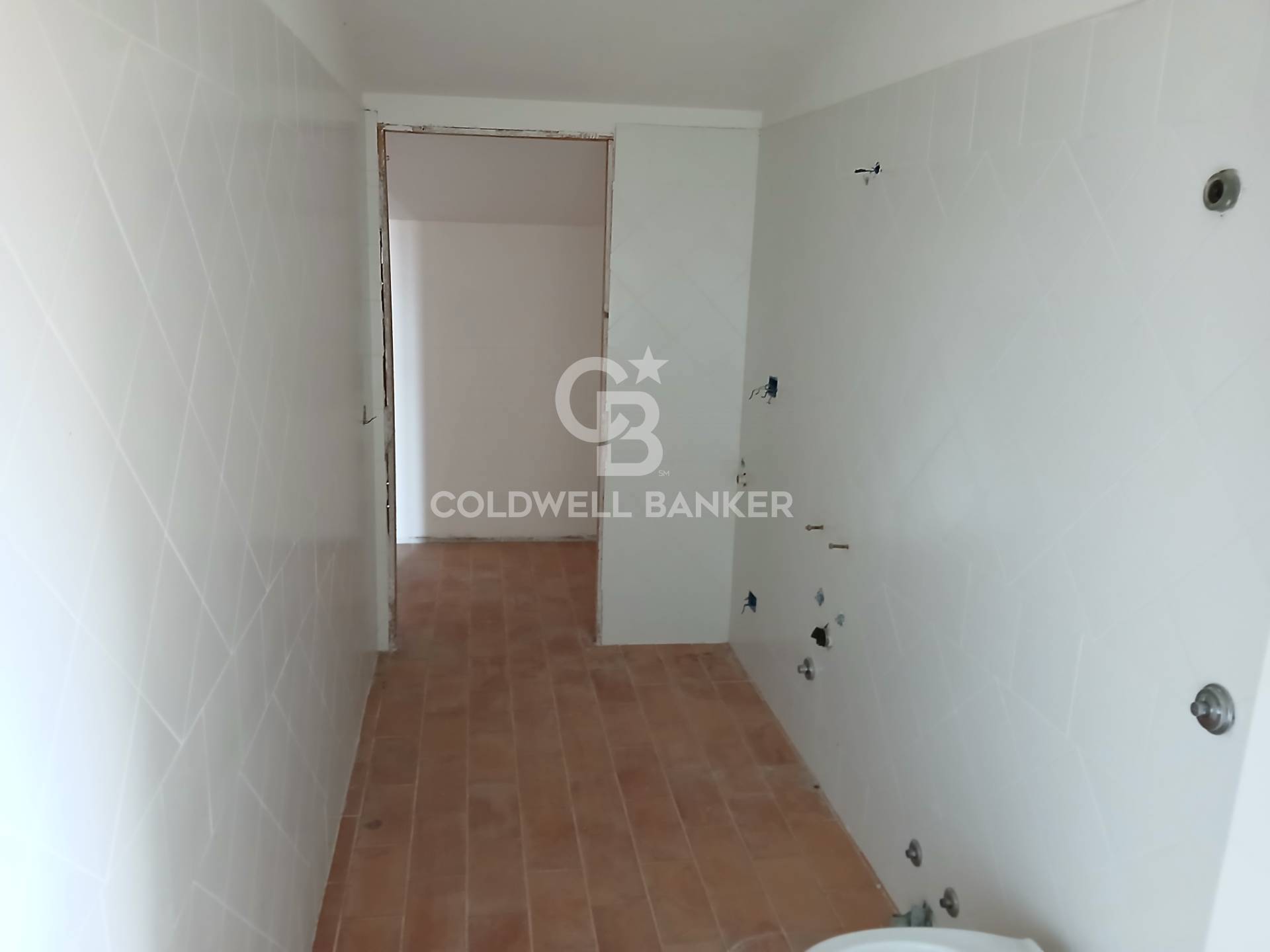
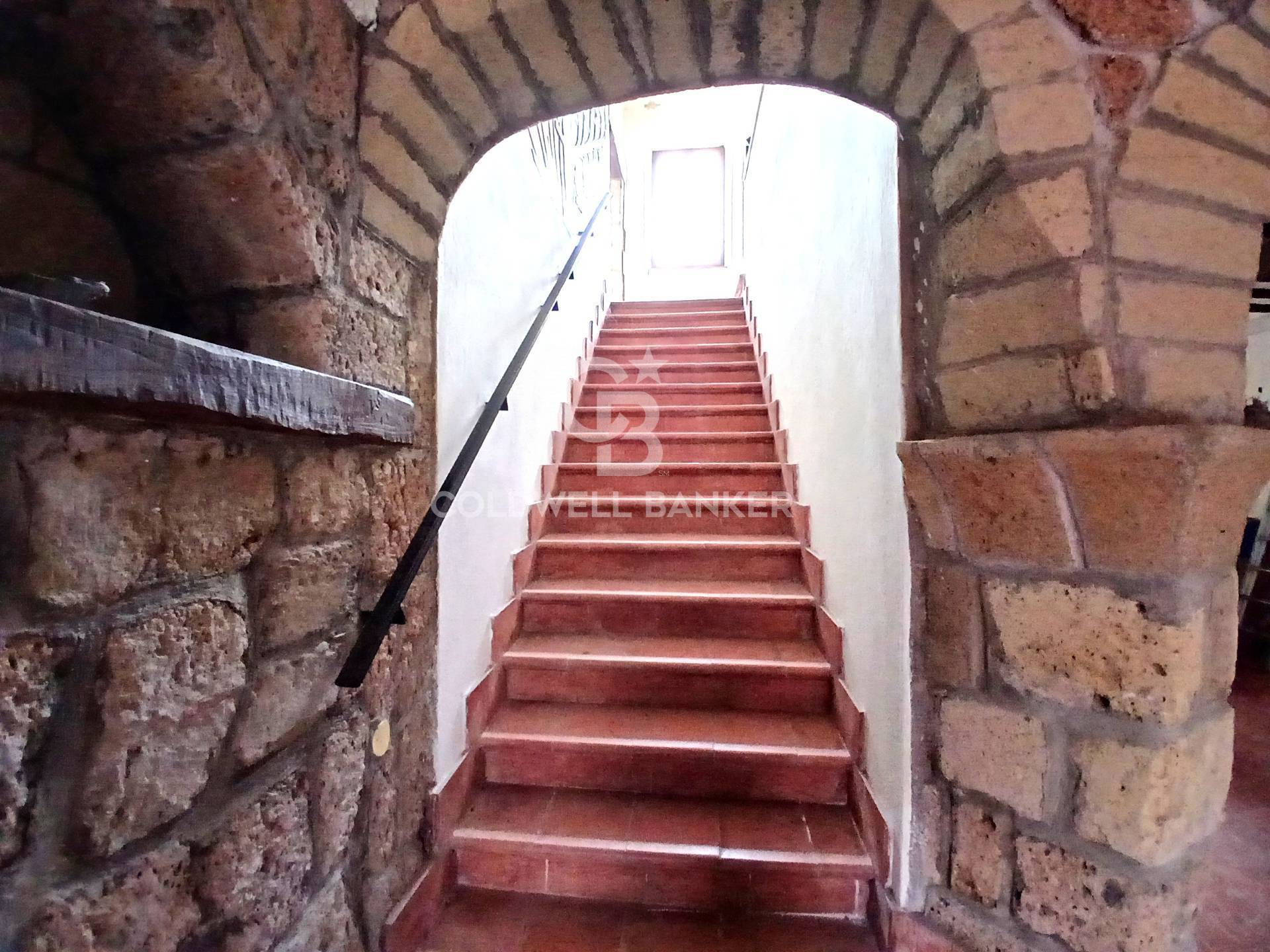
On the ground floor there are two rooms, one of which is currently used as a showroom, a brick oven, a well and two bathrooms; on the first floor there are two living rooms, both enriched by two large fireplaces; on the second floor, however, is the sleeping area with two bedrooms, closets and a bathroom.
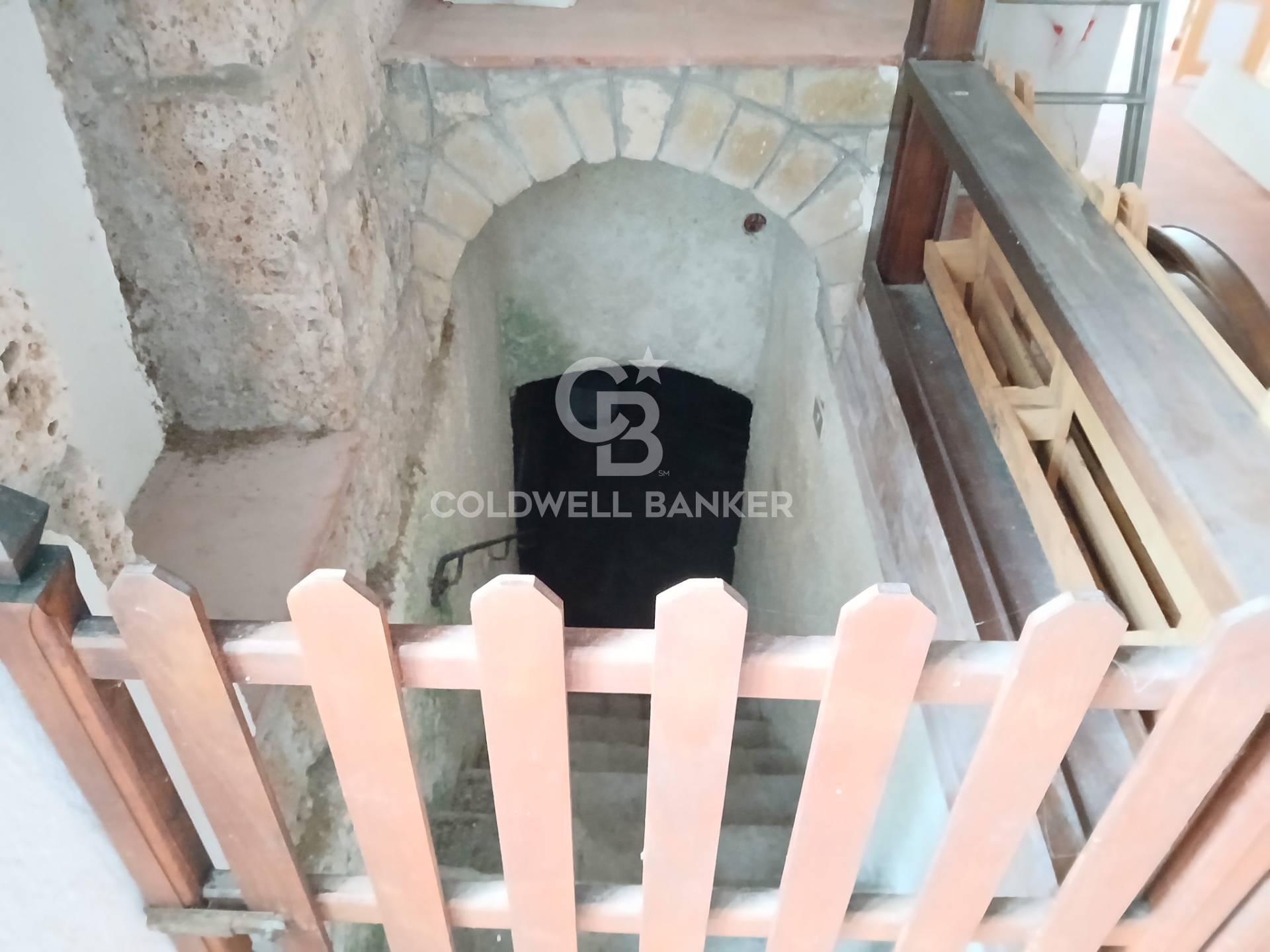
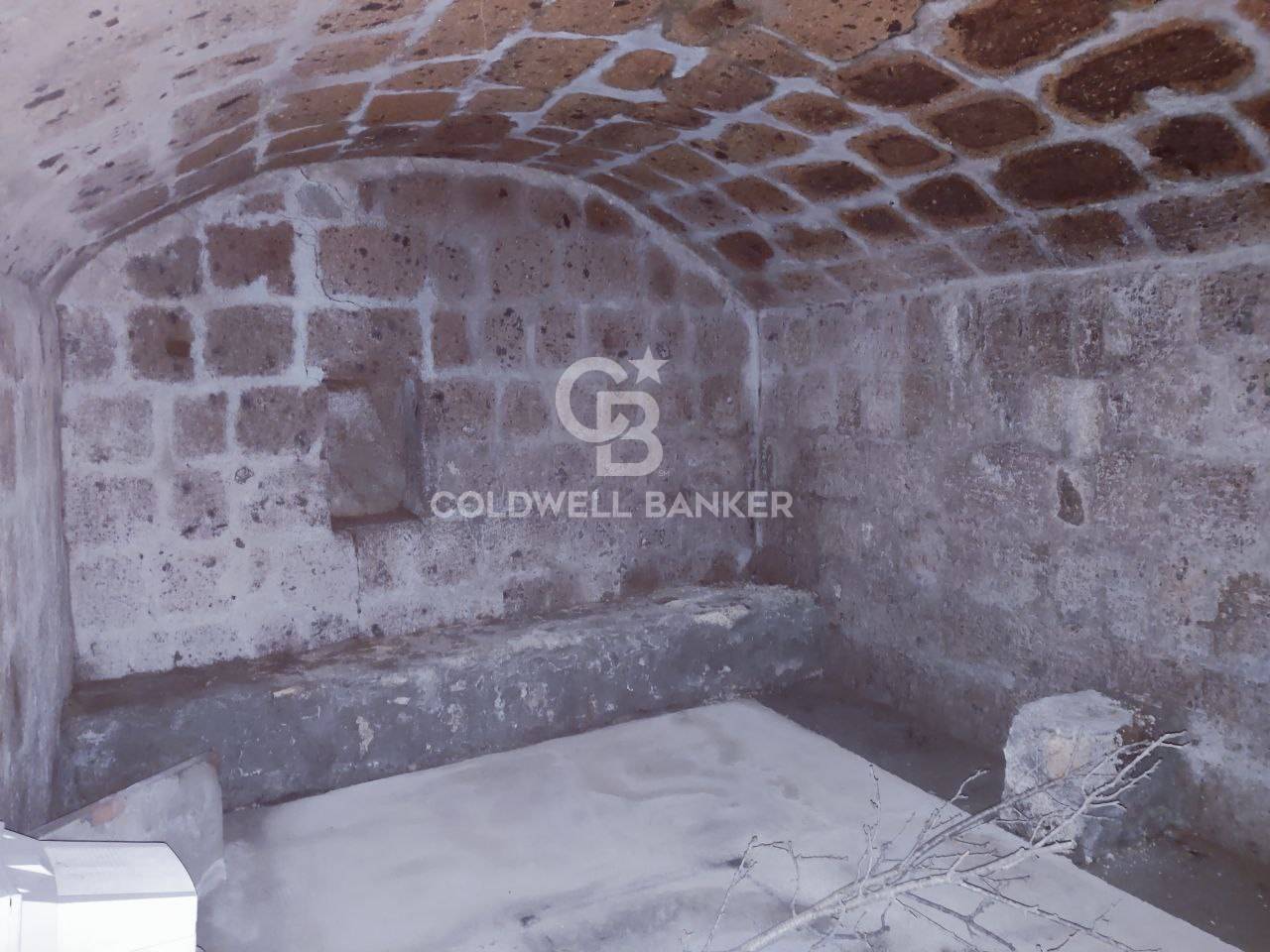
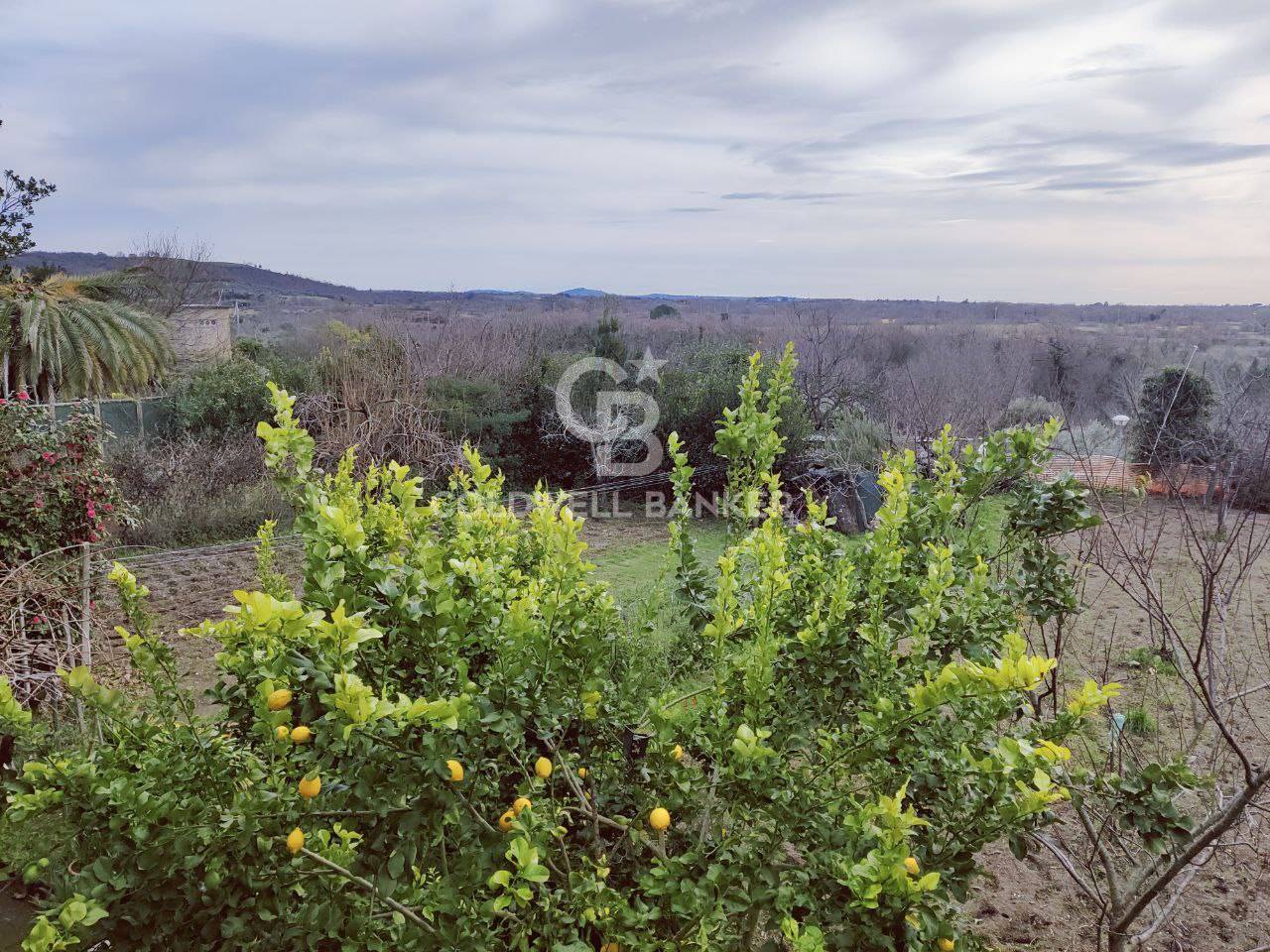
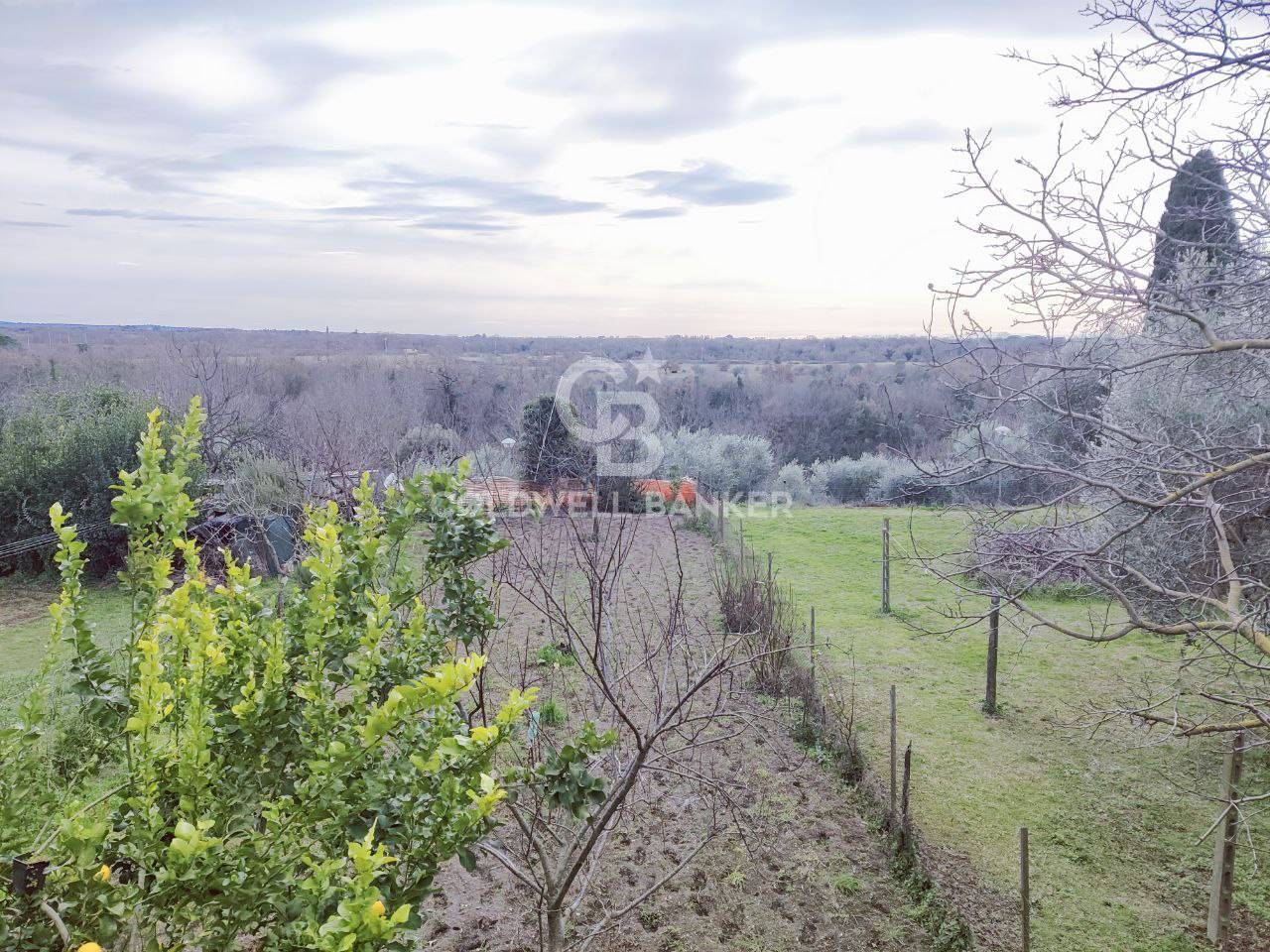
The property includes a cellar in the basement and an outdoor space on the ground floor, accessible directly from the building and equipped with a driveway.
The building is of medieval origin, and its architecture reflects the style of the era and the village, with a simple yet historically rich appearance. The walls are clad in tuff ashlars, a volcanic stone characteristic of the area, giving the property a rustic and robust appearance.
An ideal place for those who wish to immerse themselves completely in the past. Furthermore, by submitting an application and obtaining the necessary permits, it is possible to divide the property into multiple residential units or convert it into a hospitality or restaurant facility capable of accommodating the large number of visitors who choose Sovana as a tourist destination each year.
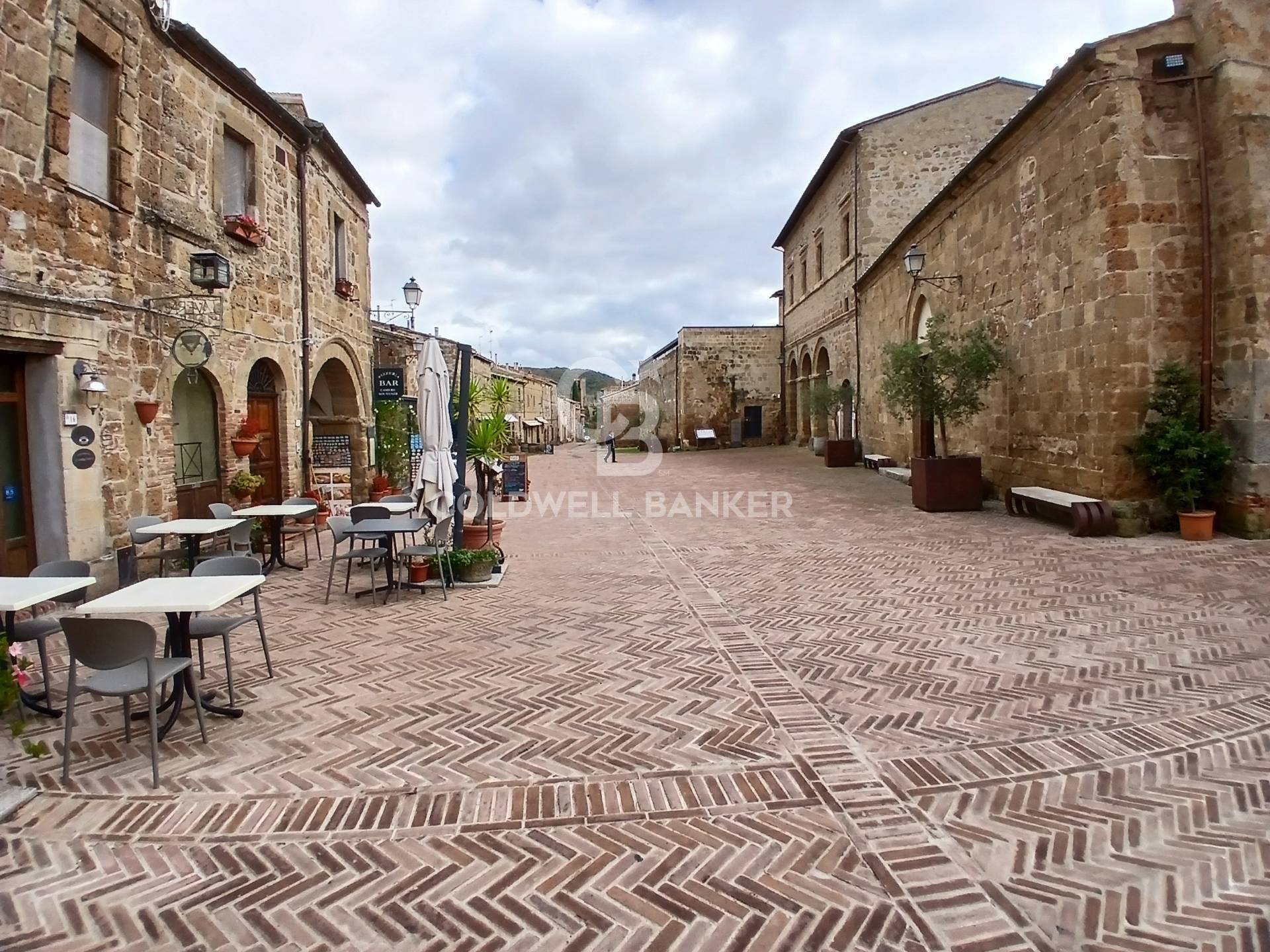
Sovana is officially one of the “Most Beautiful Villages in Italy.” Its historic center, with the evocative Piazza del Pretorio, the Palazzo Pretorio, and the romantic Cathedral of Saints Peter and Paul, offers a journey back in time to the heart of the Middle Ages. Its Etruscan archaeological heritage, rich in Etruscan necropolises with monumental tombs carved into the tuff, offers a first-rate archaeological experience. Another characteristic of the village are the mysterious “Vie Cave,” deep and evocative paths carved into the volcanic rock.
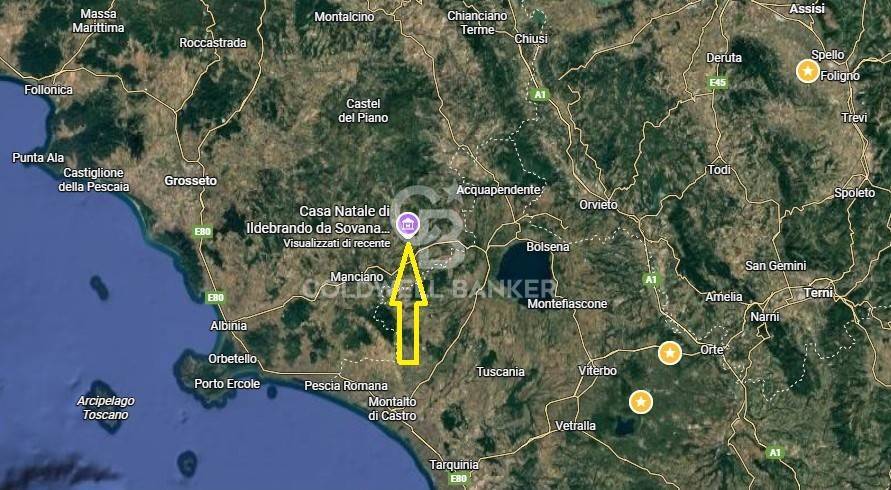
Distances in kilometers: Grosseto 85 km, Orbetello 61 km, Orvieto 60 km, Terme di Saturnia 26 km, Lake Bolsena (Capodimonte) 36 km, Sea (Albinia) 56 km, Rome 194 km
************
Today, Sovana is a small, charming town, visited (every day of the year) and appreciated by many Italian and foreign tourists. It has been expertly restored to its medieval appearance, surrounded by numerous Etruscan necropolises with interesting monumental tombs. It is also part of the so-called “tuff cities,” along with nearby Sorano (10 km) and Pitigliano (8 km), characterized by the stone of their buildings and the site on which they stand. All three towns offer good accommodation and dining options. Pitigliano is also renowned for its wines.
The story
Sovana is located in the inland sector of the Tuscan Maremma, so called from the Latin “maritima” (i.e. land near the sea).
In the Etruscan era, various centers of notable importance arose here, first of all SUANA (Sovana), conquered by the Romans in 278 BC.
Sovana was evangelized in the 4th century (perhaps by Saint Mamilian, the city’s patron saint); in the 5th century it became the seat of a diocese and, after a period of Lombard domination, was assigned by the Franks – along with the surrounding towns – to the “Patrimony of Saint Peter in Tuscia”.
In the Carolingian era, Sovana was then established as a fiefdom, with the title of county, and entrusted to the powerful Aldobrandeschi family of Lombard origin, who gathered a vast domain in Maremma, giving Sovana itself the greatest splendor.
Ildebrando, who was pope (1073 – 1085) with the title of Gregory VII, was born in Sovana (1014) to the Aldobrandeschi.
He is one of the greatest popes in history. During the so-called “Investiture Controversy,” he decreed the excommunication of Emperor Henry IV. Faced with the ensuing rebellion of his feudal lords, Henry IV, in the winter of 1077, was forced to submit to the humiliation of joining Gregory VII at Canossa in the Emilian Apennines (where the pope was a guest of his powerful ally, the Marquise Matilda of Tuscany), remaining for three days and three nights in the snow, barefoot and dressed as a penitent, begging for forgiveness. However, once freed from excommunication, the emperor resumed the war against the Papacy.
In 1298, with the marriage between Romano Gentile Orsini da Pitigliano and Anastasia, the last descendant of the Aldobrandeschi, the county of Sovana passed to the Orsini, who moved its capital to Pitigliano.
Only the village of Sovana remained in the hands of the Aldobrandeschi until the death (1312) of Countess Margherita Aldobrandeschi (who had 6 husbands!), mother of Anastasia.
In 1660 the episcopal seat of Sovana (a centre by then in decline) was also transferred to Pitigliano.